2026 Best Medical Bed for Home Which Type Is Right?
Choosing the 2026 best medical bed for home requires more than comparing prices or motor settings. The right bed should match the patient’s mobility, care plan, room size, and caregiver support. A quiet electric frame may help someone reposition independently, while a semi-electric model may suit simpler routines. Some users need a low bed for fall prevention. Others need an adjustable height for safer transfers.
Small details matter. Measure the bedroom doorway, hallway turns, and available floor space before ordering. Check the mattress platform, weight capacity, emergency lowering function, and control accessibility. A raised backrest can support eating or breathing, but poor positioning may increase discomfort. Side rails can assist with turning, yet they should never replace individual safety assessment. Always follow professional guidance and the manufacturer’s instructions.
This guide compares common medical bed for home options through practical, evidence-informed considerations. It looks at comfort, pressure management, cleaning, noise, maintenance, and daily usability. A bed that looks advanced in a showroom may feel frustrating beside a narrow wall. That is easy to overlook. Caregivers should also consider night-time access, linen changes, and power failure plans. No single model fits every household. Personal needs can change quickly, especially after surgery or during long-term recovery. Therefore, the best choice may require reassessment rather than a one-time purchase. Speaking with a qualified healthcare professional or medical equipment specialist can help confirm whether the selected bed is appropriate, safe, and genuinely manageable at home.
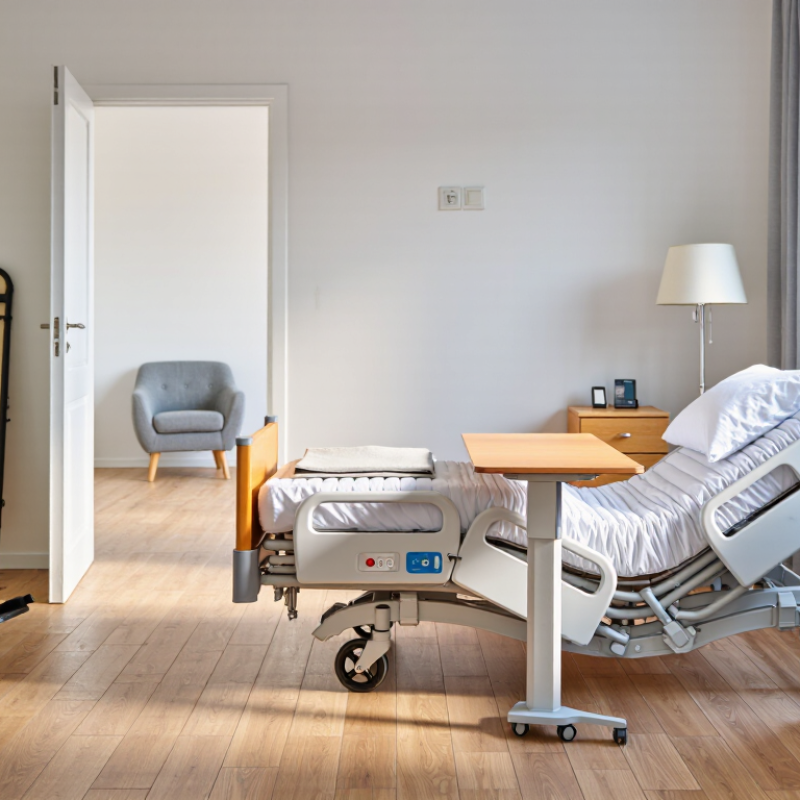
Table of Contents
[Hide]
What Is a Home Medical Bed and Who May Need One?
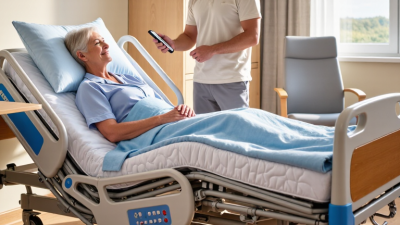
A home medical bed is designed to make resting, repositioning, and getting in or out of bed easier. Many models raise or lower the head and legs, while some adjust the bed’s overall height. These features can help people who have limited mobility, need frequent position changes, or are recovering from surgery. The bed may also give caregivers safer access during daily care. That matters.
Someone who struggles to sit up in a standard bed, or whose care plan calls for specific positioning, may benefit from one. A clinician or occupational therapist can assess needs such as transfer ability, fall risk, and mattress support. They can also explain whether a fully adjustable bed is necessary or whether simpler equipment may be enough. Not always.
Room layout deserves attention too. Measure doorways and the space beside the bed, and consider where controls, power outlets, and mobility aids will sit. A bed that works well in a care facility may feel oversized in a small bedroom. Care needs can change, so it is worth reviewing the setup over time rather than assuming one choice will remain right. One detail is easy to miss: the person using the bed should be included in decisions whenever possible.
2026 Best Medical Bed for Home: Which Type Is Right? — What Is a Home Medical Bed and Who May Need One?
A home medical bed is designed to support positioning, transfers, and caregiving at home. The right choice depends on the person’s mobility, care needs, room layout, and advice from their healthcare team.
| Bed Type | Typical Features | May Suit | Key Considerations | Helpful Questions |
|---|---|---|---|---|
| Adjustable home-care bed | Electric controls commonly raise or lower the head and foot sections; some models also adjust overall bed height. | People who need frequent repositioning, help getting in or out of bed, or a more comfortable position for rest and care. | Check the mattress size and compatibility, control accessibility, bed dimensions, and whether height adjustment is included. | Can the person operate the controls? Is a caregiver available to assist when needed? |
| Height-adjustable full-electric bed | Powered adjustment of bed height as well as head and foot sections. | People who need transfers supported at a suitable height, or caregivers who need to adjust working height during care. | Requires a nearby power outlet and enough clearance for the bed’s movement. Confirm the safe working load and overall dimensions. | Will the bed fit through doorways and leave room for transfers and caregiving? |
| Semi-electric bed | Electric head and foot adjustment; bed height is generally adjusted manually. | People who benefit from powered positioning but do not need frequent powered height changes. | Manual height adjustment may be difficult for a person with limited strength and can require caregiver assistance. | How often will the bed height need to change, and who can safely adjust it? |
| Manual hospital-style bed | Cranks operate the head, foot, or height adjustments, depending on the model. | Situations where powered adjustment is not required and a caregiver can operate the mechanisms. | Cranking takes physical effort. Check that controls are accessible and that the bed can be positioned without obstructing nearby furniture. | Can the caregiver comfortably operate the cranks as often as care requires? |
| Low bed | Designed to lower close to the floor; some models also offer adjustable positioning. | People for whom a lower bed height may make entry and exit easier, or where reducing the distance to the floor is a consideration. | A low bed does not prevent falls. Consider transfer ability, floor surfaces, assistive devices, and an individualized safety plan. | Has a clinician or therapist assessed the person’s transfer and fall risks? |
| Specialty pressure-redistribution bed or mattress system | Uses a mattress or support surface designed to redistribute pressure; some systems use powered air components. | People assessed as having elevated pressure-injury risk or specific positioning needs. | Selection depends on clinical assessment, skin condition, mobility, and care routines. A specialty surface does not replace regular repositioning or skin checks when advised. | What support surface has the healthcare professional recommended, and how will it be maintained? |
| Standard adjustable bed | Usually adjusts the head and foot sections; often resembles a residential bed. | People seeking adjustable comfort who can transfer safely and do not need medical-bed features such as a large height range. | May not provide the height adjustment, caregiver access, or compatibility required for more complex care needs. | Are medical positioning, transfer support, or caregiver-access features necessary? |
Before choosing: Ask a healthcare professional, occupational therapist, or physical therapist to assess positioning, transfers, pressure-injury risk, and safety needs. Measure the room, doorway, and route into the home; confirm mattress compatibility, weight capacity, power requirements, and local coverage or rental options. A bed alone does not prevent falls or pressure injuries.
Related Posts
-
Why Choose a Patient Bed for Home Use?
-
How to Choose the Best Patient Bed for Home Use?
-
Top 10 Medical Beds for Home Use You Should Consider?
-
Top Medical Bed for Home Which One Is Best?
-

5 Compelling Reasons to Choose Ultrasound Gel for Your Medical Imaging Needs
-

How to Choose the Right Patient Bed: Essential Features to Consider for Optimal Care
