Choosing the top medical bed for home is not as simple as comparing prices or counting adjustment settings. The best medical bed for home should match the patient’s condition, caregiver’s abilities, room size, and daily routine. A bed that works well after hip surgery may not suit someone with limited mobility, chronic pain, or nighttime breathing concerns.
This guide examines practical features used in real home-care settings. These include electric positioning, safe working height, side rails, mattress support, weight capacity, emergency lowering, and ease of cleaning. A quiet motor can matter when a patient changes position at 2 a.m. Locking casters are equally important on smooth floors. Small details often affect safety more than attractive design.
Professional assessment still matters. A doctor, nurse, occupational therapist, or qualified medical-equipment specialist can help identify suitable specifications. Caregivers should also check whether the bed fits through doorways and leaves enough space for transfers. Measure carefully.
There is no perfect model for everyone. Some beds offer advanced controls but feel complicated. Others look comfortable but provide limited support or poor service coverage. This comparison will consider strengths, weaknesses, and overlooked limitations, rather than declaring one universal winner. Even experienced buyers can miss a detail. That is worth remembering.
The goal is a safer, more comfortable home-care environment. It is not simply a better-looking bed.
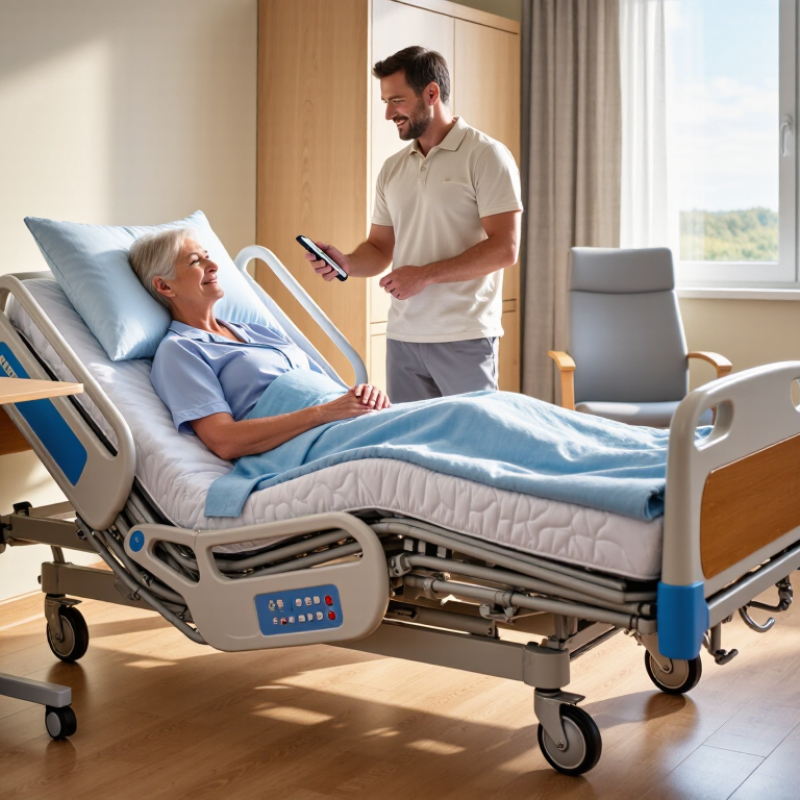
The best medical bed for home use is not the most advanced model. It is the bed that fits the patient, room, and caregiver. Adjustability matters, especially when the user needs help sitting, turning, or transferring. A low-height setting can reduce transfer distance. A raised position can support safer nursing care. However, motorized features are useless if controls are confusing.
Safety comes first.
The World Health Organization reports that falls cause about 684,000 deaths worldwide each year. Adults over 60 face the greatest risk. The CDC also reports that more than three million older adults receive emergency treatment for falls annually. These figures make stable positioning, secure wheels, and clear floor space essential. Bed rails need caution. The FDA warns that rails may create entrapment risks for some users, especially those with limited mobility or cognitive impairment. A professional assessment should guide their use.
Comfort is also clinical, not decorative. A pressure-redistributing mattress may help reduce prolonged loading, but it cannot replace regular repositioning. The ideal bed should support safe transfers, allow easy cleaning, and fit through doorways. Check the working load, power-failure procedure, and battery backup. The IEC 60601-2-52 standard provides safety requirements for medical beds, yet compliance alone does not guarantee suitability at home. An occupational therapist or home-care nurse can identify practical problems that product specifications miss. Sometimes, the “best” bed simply does not fit the bedroom.
The best home medical bed typically combines suitable body support, safe height adjustment, comfortable positioning, and enough space for everyday care. The chart shows representative specifications commonly found in home hospital beds; actual models may vary.
Typical reference values: approximately 36 inches platform width, 80 inches platform length, 15–24 inches adjustable deck height, up to about 65° backrest elevation, and about 30° knee elevation. Confirm measurements and clinical suitability with a healthcare professional before purchase.
Choosing the top medical bed for home starts with the patient, not the bed frame. A qualified nurse, physician, or occupational therapist should assess strength, balance, pain, cognition, and transfer ability. Can the patient stand from a chair? Can they turn independently? These answers guide the required bed height, rail design, and mattress support.
Consider daily care in practical detail. A patient with weak legs may need a low adjustable bed for safer transfers. Someone with limited trunk control may require backrest elevation and careful positioning. If caregivers provide bathing or dressing in bed, height adjustment can reduce bending and back strain. Check the room’s floor space, doorway width, electrical access, and emergency pathway. Measure twice.
Mobility can change quickly after surgery, illness, or a fall. The best setup today may be unsuitable next month. Pressure injury risk also deserves professional review, especially when movement is limited or skin is fragile. Bed rails are not automatically safer; they can restrict movement or create unsafe climbing attempts. Their use should match the patient’s abilities and local clinical guidance.
Do not judge comfort by appearance alone. Test controls, noise, mattress firmness, and transfer height with the actual patient when possible. A checklist helps, but it can miss fear, fatigue, or caregiver confidence. That part is often underestimated. Reassess the plan regularly, and ask a healthcare professional to review any new weakness, confusion, skin damage, or repeated sliding in bed.
Top Medical Bed for Home Which One Is Best?
The best home medical bed is not always the most expensive one. WHO’s 2024 ageing fact sheet projects that one in six people worldwide will be aged 60 or older by 2030. A suitable bed can support safer repositioning, recovery, and daily caregiving. Manual beds use hand cranks and suit basic needs. Semi-electric beds adjust height or head position with limited motor assistance. Full-electric beds control height, backrest, and leg elevation through a handset. Low beds reduce fall distance, while bariatric beds provide wider frames and higher weight capacities.
Mattress choice matters just as much. Pressure-redistributing foam or air surfaces may help people with limited mobility, but clinical assessment remains important. The AARP 2021 Home and Community Preferences Survey found that 77% of adults aged 50 and older prefer to remain in their current home. That preference makes room clearance, caregiver access, and reliable controls practical priorities. Rails can assist transfers, yet they may create entrapment risks when poorly fitted. A bed that looks secure may still be unsuitable.
Tips: Measure the room, doorway, and bathroom route first. Check the user’s weight, transfer ability, and care plan. Confirm emergency lowering, caster locks, and battery backup. Ask a qualified clinician or equipment specialist to review the setup. My practical caveat: “adjustable” does not automatically mean safer. Care needs can change quickly, and my initial choice might need revision.
| Home Medical Bed Type | Typical Adjustment Range | Key Features | Best Suited For | Main Benefits | Important Limitations | Typical User-Friendliness |
|---|---|---|---|---|---|---|
| Manual Hospital Bed | Head and/or leg sections are adjusted with hand-operated cranks. Height is usually fixed or has limited adjustment. | Manual backrest and knee elevation, locking casters, removable or adjustable side rails, and a mattress platform designed for medical use. | People who need basic positioning support and have a caregiver available to operate the controls. | Generally lower purchase cost, no electrical outlet required, and simple mechanical operation. | Cranks require physical effort. Frequent repositioning can be difficult for caregivers, and height adjustment may be limited. | ★★★☆☆ |
| Semi-Electric Hospital Bed | Electric adjustment for the head and knee sections; bed height is commonly adjusted manually. | Hand control, powered backrest and leg elevation, locking wheels, and optional side rails or assist bars. | Home users who need regular repositioning but do not require frequent powered height changes. | Reduces manual effort for positioning while typically costing less than a fully electric model. | Manual height adjustment can be tiring and may require caregiver assistance. It needs a safe electrical connection. | ★★★★☆ |
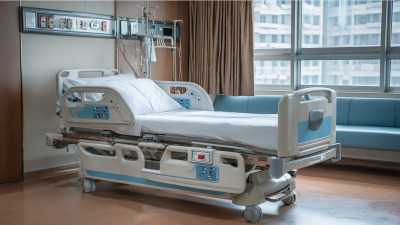
| Full-Electric Hospital Bed | Electric adjustment commonly includes head, knee, and overall bed height; some models also offer Trendelenburg positioning. | Hand control, powered height adjustment, adjustable sleeping positions, locking casters, and compatible safety rails. | People with limited mobility, frequent transfer needs, or caregivers who need ergonomic working height. | Offers the broadest positioning flexibility and can reduce bending and lifting during care and transfers. | Higher cost, greater weight, dependence on electricity, and possible need for battery backup during power outages. | ★★★★★ |
| Low-Height Home Care Bed | Sleeping platform lowers substantially closer to the floor than a standard hospital bed; some models also raise for care. | Low entry height, powered positioning on many models, caster locks, and compatible side rails or floor-level safety mats. | People at risk of falling out of bed or those who prefer easier access from a lower position. | Can reduce the distance of a potential fall and may improve independence for some users. | Very low settings can make transfers harder for some users and may require careful floor-level cleaning and monitoring. | ★★★★☆ |
| Bariatric Home Medical Bed | Usually provides powered head, knee, and height adjustment, depending on the model. | Wider sleeping surface, reinforced frame, heavy-duty casters, higher safe working load, and compatible pressure-redistribution mattresses. | Users whose body size or weight exceeds the safe working limits of standard home medical beds. | Provides more usable space, improved structural support, and safer caregiver access when correctly specified. | Requires more room, has greater weight, may need wider doorways and stronger flooring, and can be more expensive. | ★★★★☆ |
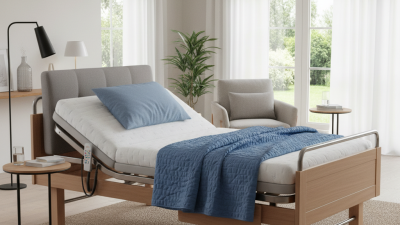
| Adjustable Care Bed | Head and leg sections adjust independently; overall height may be fixed or powered, depending on the design. | Home-oriented appearance, quiet electric positioning, mattress compatibility, and optional side supports or under-bed storage. | People who need therapeutic positioning but want a less institutional appearance in a bedroom. | Combines comfort-focused positioning with a more residential design and can support reading, eating, and sleeping. | May provide less caregiver height adjustment than a full hospital bed. Mattress dimensions and accessory compatibility must be checked. | ★★★★☆ |
| Tilt or Positioning Bed | May elevate the back and legs and, on selected models, tilt or rotate the user for repositioning. | Specialized positioning functions, powered controls, pressure-management compatibility, and enhanced transfer support. | Users with complex mobility, posture, or pressure-care needs under professional clinical guidance. | Can support specialized positioning and reduce some manual handling demands for trained caregivers. | More complex, costly, and not suitable for every user. Clinical assessment and caregiver training are important. | ★★★☆☆ |
Selection note: The best home medical bed depends on the user’s mobility, transfer ability, fall risk, body size, caregiver needs, room dimensions, mattress requirements, and power access. Confirm the bed’s safe working load, mattress compatibility, rail configuration, and local clinical or rental requirements before purchase.
Comparing home medical beds starts with the user, not the sales description. The World Health Organization projects that one in six people worldwide will be aged 60 or older by 2030. Mobility, transfer ability, body weight, and caregiver strength therefore matter. A height-adjustable frame can reduce bending during transfers. A low position may also reduce injury risk during nighttime movement.
Small detail, big consequence.
Check the safe working load, mattress dimensions, backrest angle, knee elevation, and lowest deck height. The mattress must support pressure redistribution and fit without gaps. The Agency for Healthcare Research and Quality links immobility and moisture with pressure-injury risk.
Ask whether the surface is washable and replaceable. It should not trap heat. It should not slide.
Safety rails require careful judgment. The U.S. Food and Drug Administration warns that bed rails can create entrapment risks, especially for confused or weak users. Select designs with appropriate spacing and professional assessment. The Centers for Disease Control and Prevention reports that more than 3 million older adults receive emergency treatment for falls each year.
An easy-to-reach handset, stable casters, and a reliable locking system deserve close attention. I would not choose the cheapest bed automatically. However, I might reject an expensive model if replacement parts, battery backup, or local servicing are unclear.
A quiet motor matters more than expected.
The best home medical bed depends on the user’s mobility, treatment needs, room size, and caregiver support. A qualified clinician or occupational therapist should assess these factors before purchase. Look for stable brakes, adjustable height, smooth back and knee movement, and a mattress that fits correctly. Railings need careful attention. A gap can create a serious entrapment risk. Check the frame, controls, and power cable before daily use. Keep the bed away from wet areas and crowded walkways.
Tips: Lock the wheels before transfers. Keep the lowest safe height during sleep. Test the emergency lowering function. Write down cleaning dates. It helps.
Setup is easier when two adults follow the manufacturer’s instructions. Do not improvise with loose cushions, extension cords, or unsuitable mattresses. The bed should leave enough space for walking and emergency access. Caregivers should practice raising the backrest and helping with transfers before the user needs urgent assistance. Maintenance includes checking screws, joints, cables, and handset buttons each week. Clean spills promptly, but avoid soaking electrical parts. No home setup is perfect. A control may fail, or a room may feel too small after installation. Review the arrangement after several days, not only on delivery day. If pain, sliding, skin redness, or unusual noise appears, stop and seek professional advice.
Get the instant quotes from our sales representatives!
HEMC (Hospital Equipment Manufacturing Company) was established in the year 1981 and has since been engaged in the export of Medical equipments, Hospital equipments, Orthopaedic Implants & instruments, Laboratory equipments, Scientific & Educational products worldwide. Your support has made us a "Government of India" recognised export house. Our goods have reached all continents from "The Americas" to "Europe" and beyond…