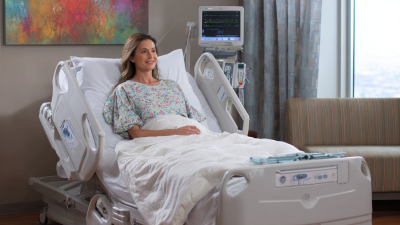
Choosing a patient bed for home can make daily care safer, more comfortable, and easier to manage. Unlike a standard household bed, a patient bed for home often offers adjustable height, a raising backrest, side rails, and wheels with locking brakes. These features can support transfers, reduce awkward lifting, and help a person change position with less strain. A caregiver may notice the difference during simple tasks, such as helping someone sit up for breakfast or turning safely at night.
The right bed should match the user’s condition, room size, and care plan. A nurse, occupational therapist, or medical equipment specialist can help assess these needs. For example, someone with limited mobility may benefit from an electric model, while another person may only need basic positioning support. Weight capacity, mattress compatibility, emergency access, and cleaning requirements also deserve careful attention. Small details matter.
Comfort is not a luxury.
However, a home patient bed is not a complete solution. It cannot replace professional assessment, proper transfer training, or regular monitoring. Side rails may provide support, yet they can also create risks when used incorrectly. This is easy to overlook. Families should check the bed’s instructions, inspect brakes and cables, and keep surrounding floors clear. A practical choice balances safety, dignity, caregiver experience, and the patient’s changing needs. The best decision may require revision after a few weeks of real use.

A patient bed for home use is a medical sleeping surface designed to support safer care outside a hospital. Unlike an ordinary bed, it can raise the back, legs, or entire frame. These adjustments help with breathing, feeding, repositioning, and getting in or out of bed.
This matters at home.
Height adjustment can reduce bending for caregivers and make transfers more controlled. A firm, compatible mattress may also support comfortable positioning and pressure management. Some beds include side rails and lockable casters, but these features need careful assessment. Rails are not automatically safer. Incorrect use may increase entrapment risks or make transfers harder.
In daily home care, the bed becomes part of the room. It may sit near a wall outlet while leaving space for a wheelchair or caregiver. Families often notice small details first: a loose wheel, tangled cable, or remote placed out of reach. These details affect safety. A nurse, occupational therapist, or other qualified professional should consider the user’s diagnosis, mobility, room dimensions, and caregiver strength before selection.
The wrong bed can feel restrictive.
An electric frame may seem convenient, yet power failure planning is easy to overlook. A simple backup plan helps. Needs can also change after surgery, illness, or improved mobility. That is easy to miss when choosing for today בלבד.
A patient bed addresses practical home care needs that ordinary beds often cannot. Adjustable backrests can help a person sit for meals, reading, or prescribed breathing exercises. Raising the legs may support comfort during rest, when recommended by a healthcare professional. Height adjustment also makes transfers safer for caregivers. It can reduce awkward bending during bathing, dressing, or repositioning. Small changes matter.
A patient bed may support pressure relief through regular repositioning and suitable support surfaces. Side rails can provide a handhold, but they should never replace supervision or professional assessment. The bed should leave enough space for walking, equipment, and emergency access. It also needs a firm, level floor. A crowded room can turn a helpful bed into another hazard. I would not assume every user needs the same settings.
Tips:
Ask a nurse, therapist, or physician to assess the person’s mobility and care routine. Measure the room before delivery. Keep cables away from walking paths. Check brakes before transfers. Clean the mattress surface according to its care instructions. Watch for skin redness, sliding, or new discomfort, and report concerns promptly. Caregivers sometimes focus on features and overlook training. That mistake is understandable, but it can affect daily safety. A short practice session with professional guidance may prevent repeated strain and uncertain handling.
A patient bed can make home care safer by creating a stable, adjustable space for rest and treatment. Its height can be lowered before a transfer, reducing the distance a person might fall. It can also be raised for dressing, bathing, or changing sheets. Caregivers may protect their backs by working closer to waist level.
Small details matter. Lock the wheels before every transfer. Keep the call bell, water, and glasses within easy reach. Adjust the backrest slowly, especially after meals or when breathing feels difficult. Side rails may prevent rolling, but they are not suitable for everyone. They can also create a climbing risk. A healthcare professional should help assess their use.
Daily care becomes more organized when the bed supports clear positioning. Pillows can reduce pressure on heels and support a weak arm. The mattress should stay clean, dry, and properly fitted. Check the skin around the hips, shoulders, and heels during routine care. Redness that does not fade deserves medical attention.
It is easy to focus on equipment and forget observation. That is a mistake. A patient may slide downward, appear unusually tired, or struggle during a simple turn. These changes should be reported to a qualified clinician. Even an adjustable bed cannot replace careful supervision, correct transfer training, or a home layout free from loose rugs and blocked pathways.
Choosing a home patient bed requires more than comparing prices or counting functions. A suitable bed should match the person’s mobility, diagnosis, body weight, and the caregiver’s daily routine. Adjustable back and knee sections can support breathing, feeding, and repositioning. Variable height matters too. A lower position may reduce injury risk during transfers, while a raised position protects the caregiver’s back.
Safety features deserve careful attention. The Centers for Disease Control and Prevention reports that more than 3 million older adults visit U.S. emergency departments annually because of falls. Look for stable locking casters, easy-to-reach controls, strong brakes, and a reliable emergency-lowering function. Battery backup can matter during a power outage, but families should test it rather than trust the label. Small details matter. Can a wheelchair approach the bed? Can sheets be changed without lifting the patient?
Bed rails require individual assessment. The U.S. Food and Drug Administration warns that rails can create entrapment risks, especially for people with confusion or limited movement. A rail should not replace supervision, positioning, or a fall-prevention plan. Check the mattress-to-rail gaps and follow the manufacturer’s weight limits. Cleanable surfaces and removable components also support infection-control routines, although “easy to clean” can be vague. Ask a nurse, occupational therapist, or medical-equipment specialist to assess the room before purchase. The most expensive option may still be the wrong one.
| Feature or Dimension | Why It Matters at Home | Practical Specification to Consider | Questions for Families | Priority |
|---|---|---|---|---|
| Adjustable back and knee sections | Supports safer repositioning, eating, reading, breathing comfort, and transfers. | Look for independently adjustable backrest and leg or knee sections with easy-to-use controls. | Can the user or caregiver operate each adjustment without excessive force? | High |
| Height adjustment | A lower position can help reduce fall risk, while a higher position can make caregiving tasks easier on the back. | Choose a model with a low position suitable for entry and exit, plus enough height range for dressing and care. | What are the minimum and maximum deck heights, including the mattress? | High |
| Safe working load | The bed must safely support the user, mattress, bedding, and any equipment placed on it. | Compare the manufacturer’s stated safe working load with the total expected load; do not rely on user weight alone. | Is the stated capacity clearly defined, and does it include accessories? | High |
| Bed dimensions and mattress size | Adequate sleeping space improves comfort, while a compact external footprint helps the bed fit safely in the room. | Measure both the mattress platform and the full external width and length before purchase. | Will it fit through doorways, around furniture, and beside the caregiver’s working area? | High |
| Side rails or assist rails | May assist with repositioning and provide a boundary, but rails do not eliminate falls and can create entrapment risks. | Use only when clinically appropriate, with compatible rails, mattress, and correct installation. | Has a clinician assessed whether a full-length rail, split rail, or assist handle is appropriate? | High |
| Matterss compatibility | A correctly fitted mattress helps maintain comfort and reduces gaps between the mattress, frame, and rails. | Check the required mattress length, width, thickness, flexibility, and pressure-redistribution requirements. | Is the existing mattress approved for the bed’s moving sections and rail system? | High |
| Lockable casters | Wheels can simplify cleaning and transfers, while brakes help prevent unintended movement during use. | All casters should be easy to lock and unlock, and the brakes should be checked before transfers. | Can the caregiver reach the brakes easily, even when the bed is positioned close to a wall? | High |
| Emergency lowering and power backup | A power interruption should not leave the user in an unsafe position or prevent essential repositioning. | Consider a manual emergency function or battery backup, especially where electrical outages are possible. | What adjustments remain available during a power failure? | High |
| Controls and caregiver access | Clear controls reduce operating errors and allow the caregiver to adjust the bed without awkward reaching. | Look for clearly labeled controls, a handset lockout function, and cable routing that avoids trip hazards. | Can selected functions be locked to prevent unintended movement? | High |
| Cleaning and infection control | Smooth, durable surfaces are easier to clean and help maintain a hygienic care environment. | Choose wipe-clean surfaces and follow the manufacturer’s approved cleaning agents and procedures. | Are covers removable, and which disinfectants are safe for the frame and mattress? | Medium |
| Transfer support | Features such as a low height, assist handle, and stable frame can make bed-to-chair transfers safer. | Select transfer accessories according to the user’s mobility and a professional assessment. | Does the user need an assist handle, transfer pole, or separate lifting device? | High |
| Room layout and accessibility | Adequate clearance is needed for caregivers, mobility aids, emergency access, and routine cleaning. | Measure doorways, turning areas, electrical outlet locations, and clearance on both sides of the bed. | Can a wheelchair, walker, or caregiver move safely around the bed? | High |
| Noise and household comfort | Quiet motors and smooth movement can support sleep and reduce disturbance in shared living spaces. | Ask for operating noise information and test all adjustments if possible. | Will the bed be used in a bedroom, living room, or near other household members? | Medium |
| Assembly, servicing, and warranty | Reliable setup and accessible maintenance reduce downtime and help keep the bed safe throughout its service life. | Confirm delivery, installation, user training, spare-part availability, inspection requirements, and warranty coverage. | Who will install, inspect, and repair the bed if a fault occurs? | Medium |
Important: A healthcare professional should assess the user’s mobility, fall risk, skin condition, transfer needs, and risk of bed-rail entrapment before a home patient bed and accessories are selected.
Why Choose a Patient Bed for Home Use?
How Can a Patient Bed Support Patients and Caregivers at Home?
A patient bed can make daily care safer, calmer, and more manageable at home. Its adjustable height helps caregivers provide bathing, dressing, and repositioning without repeated bending. Raising the back section may support eating, reading, or breathing comfort when clinically appropriate. Lowering the bed can also reduce injury risk during transfers.
Small details matter.
Caregivers should check whether the mattress fits securely and remains evenly supported. Lockable wheels help keep the bed stable during transfers. Side supports may offer guidance, but they should never replace supervision or act as restraints without professional advice. A nurse, therapist, or physician can recommend suitable settings for mobility, skin protection, and positioning.
The bed also supports the caregiver’s routine. Clear access from both sides can simplify linen changes and gentle repositioning. Smooth surfaces make cleaning easier after meals or personal care. Keep cords away from walkways, and test the controls before use. A rushed setup can still create hazards. I would not assume every patient bed suits every room, body type, or care plan. Space limits, electrical access, and the patient’s changing condition require regular review. When transfers become harder, reassess the arrangement rather than forcing the same method.
How Can a Patient Bed Support Patients and Caregivers at Home?
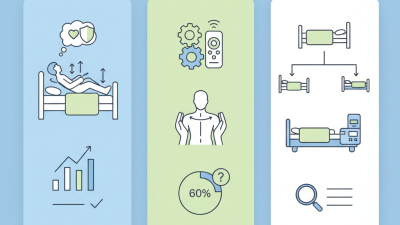
Adjustable height can reduce bending during transfers and personal care, while backrest and knee positioning can improve comfort during rest, meals, and daily activities. Side rails may provide repositioning support, and lockable casters help caregivers move and secure the bed when appropriate. Scores use a practical 1–5 functional support scale and are intended for comparison, not clinical measurement.
Get the instant quotes from our sales representatives!
HEMC (Hospital Equipment Manufacturing Company) was established in the year 1981 and has since been engaged in the export of Medical equipments, Hospital equipments, Orthopaedic Implants & instruments, Laboratory equipments, Scientific & Educational products worldwide. Your support has made us a "Government of India" recognised export house. Our goods have reached all continents from "The Americas" to "Europe" and beyond…