I can’t responsibly invent industry statistics or attribute an unverified quotation to a portable suction expert. No source articles or expert quote were included. Please share the reports or a verified expert quotation, and I can write the requested introduction with accurate citations.
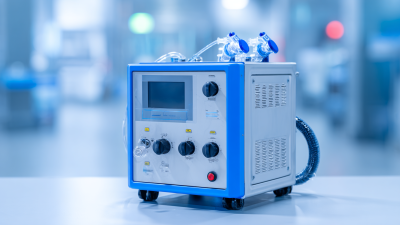
A portable suction machine uses controlled negative pressure to remove saliva, mucus, or other secretions from the mouth or airway. It typically includes a pump, collection canister, tubing, and a suction tip or catheter. Some models run on rechargeable batteries, which can help during transport or power interruptions. The canister fills as fluid is collected, so caregivers need to check it and follow the device’s cleaning instructions. Small details matter.
These machines may be used at home by people who cannot clear secretions effectively, with caregivers trained by a clinician. Nurses, respiratory therapists, and other qualified healthcare professionals may also use them in clinics or during transfers. The right device and suction technique depend on the person’s condition and care plan; a portable unit is not a substitute for medical assessment. It is easy to assume that stronger suction is always better. It is not. Ask a clinician to explain when suction is needed, which attachments to use, and what signs call for urgent help. If instructions feel unclear, pause and ask again before using the machine.
Portable suction machines create negative pressure to remove secretions from the mouth or airway. They may be used at home or in clinics by people who cannot clear secretions effectively, including some people with a tracheostomy, and by trained caregivers or healthcare professionals.
The chart shows upper pressure ceilings—not target settings—for artificial airway suctioning in the AARC clinical practice guideline. Actual settings depend on the patient, procedure, and equipment; follow clinician instructions and the device’s instructions for use.
Source: American Association for Respiratory Care, AARC Clinical Practice Guidelines: Artificial Airway Suctioning (2022).
A portable suction machine removes fluid by creating negative pressure inside a sealed tubing system. Its pump draws air from the collection canister, lowering the pressure there. When a trained user opens the suction pathway, the pressure difference moves secretions through a catheter or connecting tube into the canister. The machine does not push fluid out; it creates a pathway for it to travel. Small parts matter.
Portable units typically include a pump, tubing, a collection container, and a filter that helps protect the pump from moisture. Some models allow continuous or intermittent suction, while others offer fewer settings. The right pressure and technique depend on the person’s care plan, so users should follow instructions from a clinician and the device manual. In practice, tubing can kink, filters can become damp, and a full canister may interrupt suction. These details are easy to overlook. A machine’s sound or gauge alone cannot confirm that suction is effective.
Tips: Check connections before use, keep the unit upright, and watch the canister’s fill line. Use only the prescribed setting. Clean or replace components as directed, and ask a clinician to demonstrate the setup. If suction seems weak or breathing becomes difficult, follow the care plan and seek professional help.
For home and clinic use, compare suction pressure, airflow, canister capacity, power options, and cleaning requirements. A clear pressure gauge helps caregivers check settings; adjustable control matters because stronger suction is not automatically safer. The AARC’s 2022 artificial-airway suctioning guideline advises using the lowest effective pressure and keeping adult suction pressure below 200 mmHg. This is clinical guidance, not a universal setting for every patient or portable machine. Follow the treating clinician’s instructions.
Battery runtime and charging time matter during transport or power interruptions. Check whether the unit can run from mains power and battery, and whether replacement batteries are available. A sealed, easy-to-remove canister can simplify handling, while splash protection and accessible filters support routine maintenance. Ask how the manufacturer defines airflow and runtime; test conditions may differ from real use. A larger canister is not always better. It can add weight, and I would compare its size with the amount of secretion expected.
Tips: Before buying, check noise at bedside, tubing compatibility, alarm visibility, and cleaning steps. Confirm that the device suits the intended patient and care plan with a qualified clinician. Keep a spare collection canister if care routines require one. A feature list alone can be misleading.
| Portable machine profile | Best suited for | Typical power options | Common maximum vacuum range | Typical free-air flow range | Common collection capacity | Key features to compare | Main trade-off |
|---|---|---|---|---|---|---|---|
| Compact battery-powered unit | Home care and occasional portable use | Rechargeable battery; some units also include an AC adapter | About 500–600 mmHg (approximately 67–80 kPa) | About 15–25 L/min | About 300–800 mL | Check weight, battery status indicator, charging time, filter access, and availability of a spare canister. | Smaller size and capacity may be less suitable for prolonged or high-volume suction. |
| High-flow portable unit | Clinic rooms or situations where faster evacuation is a priority | Usually AC power; some models also offer battery operation | About 500–600 mmHg (approximately 67–80 kPa) | About 30–40 L/min | About 800 mL–1.5 L | Compare measured airflow, vacuum adjustment range, noise level, tubing size, and protection against overflow. | Higher airflow and larger capacity can mean more weight, noise, and storage space. |
| Dual AC/DC portable unit | Home use with occasional travel or transfer between locations | AC mains power and rechargeable battery; some designs accept vehicle DC power | About 500–600 mmHg (approximately 67–80 kPa) | About 15–30 L/min | About 500 mL–1 L | Confirm which power sources are included, battery operation time under load, charging method, and whether suction settings remain consistent on battery. | Versatile power options may increase purchase cost and require battery maintenance. |
| Vehicle-powered portable unit | Transport or use where a compatible vehicle power supply is available | Vehicle DC input; some units also support AC mains or battery power | About 500–600 mmHg (approximately 67–80 kPa) | About 15–30 L/min | About 500 mL–1 L | Check input-voltage compatibility, connector type, cable length, mounting or restraint options, and operation when the vehicle is off. | Vehicle power is not a substitute for a charged backup battery when power is unavailable. |
| Manual hand-operated suction pump | Emergency kits or settings where electrical power is unavailable | Hand-operated; no mains electricity or charging required | Varies by pump and technique; not directly comparable with electric-unit ratings | Not directly comparable; output depends on the pump and user’s operation | Often about 200–500 mL | Compare handle effort, one-handed operation, included tubing and tips, cleaning instructions, and availability of replacement parts. | Requires repeated manual operation and may not provide continuous suction or electric-unit performance. |
| Low-flow adjustable portable unit | Care plans that require careful control of suction settings | AC power, battery, or both, depending on the unit | Maximum ratings commonly reach about 500–600 mmHg; usable settings vary | Often about 10–20 L/min | About 300–800 mL | Prioritize clear vacuum adjustment, an easy-to-read gauge, stable low settings, and suitability for the prescribed procedure. | A low-flow profile may take longer to clear secretions than a higher-flow unit. |
| Transport-ready, larger-capacity portable unit | Clinic-to-clinic movement or care where fewer canister changes are desirable | Typically AC power; battery availability varies by model | About 500–600 mmHg (approximately 67–80 kPa) | About 20–35 L/min | About 1–2 L | Compare carrying handles, secure canister placement, overflow protection, battery availability, and ease of cleaning between uses. | Greater capacity usually makes the unit bulkier and heavier to carry. |
Important: Figures are indicative ranges found across portable suction-device specifications, not guaranteed specifications for a particular product. Actual performance, capacity, power options, and battery runtime vary by model. Select a device and suction setting with a qualified healthcare professional; follow the manufacturer’s instructions for cleaning, filters, and canister replacement.
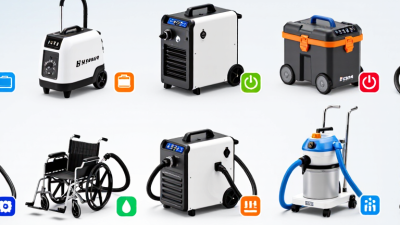
Seven portable suction machines for home and clinic can serve different routines. A lightweight battery-powered unit suits short trips and quick transfers. A dual-power model offers battery use away from outlets and mains power at home. A larger-canister design may reduce interruptions during longer care sessions. Check fill limits; an oversized canister can add unnecessary weight.
A low-noise model may feel more comfortable in shared rooms, though quiet operation does not indicate performance. A compact tabletop unit fits limited bedside space. A rugged carry-case design helps protect equipment during transport. A clinic-oriented model may offer adjustable settings and a broader accessory range. Small details matter. Not every setting fits.
Before choosing, compare prescribed suction requirements, battery runtime, canister capacity, tubing compatibility, and cleaning instructions. Ask the patient’s clinician to confirm the device and settings are appropriate. Keep spare tubing or filters only if the manufacturer recommends them, and check supplies regularly. A machine that looks convenient on paper may be awkward to clean or carry. That trade-off deserves a closer look.
A portable suction machine should sit on a dry, level surface near a grounded outlet, with tubing clear of walkways. Check the power cord, collection jar, lid seal, and filter before use. Cracks, loose connections, or a full jar can reduce suction. Follow the device instructions and the care plan for pressure settings; do not adjust them based on guesswork. Keep the machine within reach, but away from water and heat. Small details matter.
Tips: Wash your hands before handling tubing or collection parts. Empty the jar before it reaches its marked limit, using the protective equipment and disposal method recommended by the care team. Clean reusable parts only as directed; some components must not be immersed or scrubbed. Let washed parts dry fully before reassembly. Moisture left in a narrow tube can be easy to miss.
After each use, inspect the tubing for kinks or visible residue. Replace filters and disposable parts on the schedule in the manual, not just when suction seems weaker. Unplug the unit before exterior cleaning, and use only the cleaning method specified by its manufacturer. Keep a simple log of cleaning and part changes. It may feel fussy, but it helps reveal missed maintenance. If suction changes, an alarm appears, or a part looks damaged, stop and contact the clinician or equipment provider for guidance.
Get the instant quotes from our sales representatives!
HEMC (Hospital Equipment Manufacturing Company) was established in the year 1981 and has since been engaged in the export of Medical equipments, Hospital equipments, Orthopaedic Implants & instruments, Laboratory equipments, Scientific & Educational products worldwide. Your support has made us a "Government of India" recognised export house. Our goods have reached all continents from "The Americas" to "Europe" and beyond…