Top 10 Uses for Silicone Tube in Global Industries?
Silicone Tubes are becoming increasingly vital across various industries. John Smith, an industry expert, emphasizes their versatility: “Silicone tubes adapt to numerous applications, enhancing both performance and safety.” This statement highlights the growing importance of silicone tubes.
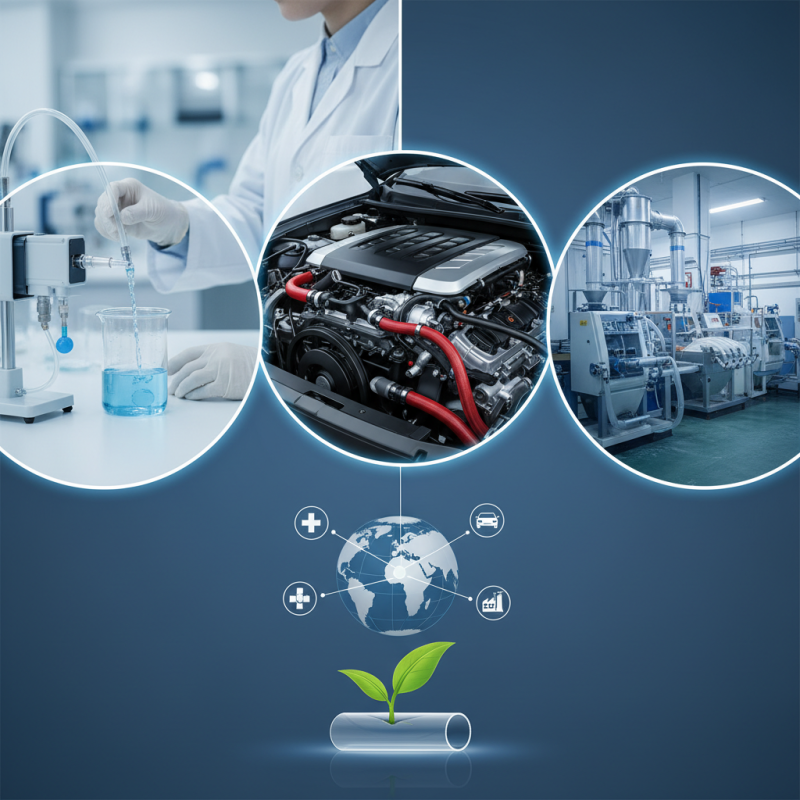
In the medical field, silicone tubes are crucial for flexible and safe fluid transfer. They are non-reactive, making them ideal for sensitive applications. In automotive manufacturing, these tubes provide durability and resistance to high temperatures. Such features optimize engine performance and longevity.
However, it's essential to reflect on the environmental impact of silicone production. As we embrace silicone tubes' benefits, we must consider sustainable practices. Developing eco-friendly alternatives may enhance the reputation of industries relying on these materials. Ultimately, silicone tubes remain a cornerstone in global industries, yet challenges require constant evaluation.
Top 10 Applications of Silicone Tubes in Medical Devices and Equipment
Silicone tubes play a critical role in medical devices and equipment. Their flexibility and resistance make them ideal for various applications. According to a recent industry report, the medical silicone market is expected to reach $7.6 billion by 2025. This growth is driven by an increasing demand for reliable medical solutions.
One primary application is in drug delivery systems. Silicone tubes are often used for intravenous delivery, ensuring patient safety and comfort. Their non-reactive properties prevent contamination, which is crucial in sensitive environments. Additionally, silicone tubes are integral in catheters due to their biocompatibility. A study found that silicone catheters reduced infection rates compared to other materials.
Silicone tubes also serve as vital connectors in respiratory devices like ventilators. As the global pandemic highlighted, the demand for efficient ventilators surged. Silicone's ability to withstand high pressures and temperatures makes it a preferred choice. Yet, challenges remain. Sometimes, manufacturers struggle with consistency in product quality, impacting performance. The industry must address these issues to ensure safety in medical applications.
Top 10 Uses for Silicone Tube in Global Industries
Silicone Tubing's Role in the Automotive Industry: A Statistical Analysis
Silicone tubing significantly impacts the automotive industry. It is widely used in various applications, from coolant lines to wiring insulation. The flexibility and durability of silicone make it an ideal choice for automotive systems. These tubes can withstand extreme temperatures, ranging from -40°C to 200°C. This characteristic ensures that they perform reliably under harsh conditions.
Tips for using silicone tubing include regularly inspecting for wear. Even high-quality silicone can deteriorate. Look for cracks or discoloration to prevent leaks. Proper installation is essential too. Tight bends and twists can weaken the tube. Always follow the recommended guidelines for maximum efficiency.
Statistically, there is a growing trend in the adoption of silicone tubing. A recent study showed a 20% increase in its usage over the past five years. This growth reflects the industry's shift towards reliable materials. Still, challenges arise with silicone compatibility. Some automotive fluids may cause degradation. Testing is crucial to avoid costly failures.
Food and Beverage Sector: Utilizing Silicone Tubing for Hygiene Compliance
In the food and beverage sector, hygiene compliance is crucial. Silicone tubing plays a vital role in maintaining cleanliness. It is non-toxic and resistant to high temperatures. These properties make it ideal for food handling. According to a recent industry report, the need for safe materials in food processing has increased by 20% over the past five years.
Silicone tubes can withstand harsh cleaning agents, ensuring longevity and safety. They do not leach chemicals, which is essential for food safety. Furthermore, silicone’s smooth surface prevents bacterial growth. A study indicated that facilities using silicone tubing reduced contamination rates by over 30%. However, some facilities still face challenges in training staff on proper handling techniques.
It is important to ensure that all silicone products meet industry standards. Periodic audits can identify gaps in hygiene practices. Despite their advantages, not all silicone tubes are created equal. Some may not comply with industry specifications. Regular reviews of materials can prevent costly recalls and maintain consumer trust.
Top 10 Uses for Silicone Tube in Global Industries - Food and Beverage Sector
| Use Case | Description | Hygiene Compliance | Temperature Range |
| Fluid Transfer | Transporting liquids with minimal contamination risk. | Highly compliant, non-toxic material. | -60°C to 200°C |
| Food Packaging | Sealing and protecting food products. | Safe for direct contact with food. | -40°C to 180°C |
| Pressure Relief | Maintaining pressure in packaging systems. | Meets compliance standards. | -50°C to 150°C |
| Brewing Operations | Used in transferring and aerating liquids. | Non-porous and easy to clean. | -30°C to 120°C |
| Dairy Processing | Transporting milk and other dairy products. | Fulfills strict hygiene regulations. | -60°C to 150°C |
| Beverage Dispensing | Used in the dispensing of beverages like juices and sodas. | Ensures cleanliness and safety. | -40°C to 130°C |
| Food Grade Frosting | Used for frosting foods in baking applications. | Complies with food safety laws. | -20°C to 120°C |
| Chemical Transfer | Transporting food-safe cleaning agents. | Non-reactive properties with chemicals. | -40°C to 150°C |
| Automation Systems | Integrated into automated food production lines. | Complies with automated hygiene protocols. | -20°C to 200°C |
Silicone Tubing in Pharmaceutical Manufacturing: Ensuring Product Integrity
In the pharmaceutical manufacturing sector, silicone tubing plays a crucial role in ensuring product integrity. Its biocompatibility is essential for transporting sensitive substances without contamination. A report by the International Journal of Pharmaceutical Sciences found that silicone is non-toxic and resistant to various chemicals, making it an ideal choice for critical operations.
Manufacturers utilize silicone tubing for aseptic applications. Its ability to withstand high temperatures during sterilization processes is vital. Data shows that the adoption of silicone in pharma has increased by 40% over the last five years. This development reflects an industry shift towards materials that maintain purity and reduce risks during production.
However, challenges exist in maintaining quality. Silicone can degrade over time, risking product integrity. Regular inspections are necessary to identify wear and tear. Additionally, different formulations can lead to varying performance levels. These issues demand vigilance from manufacturers to ensure the highest safety standards are met throughout the supply chain.
Environmental Impact: The Sustainability of Silicone Tubing in Industrial Use
Silicone tubing plays a vital role in various industries. Its ability to withstand extreme temperatures and harsh chemicals makes it essential. However, sustainability is a growing concern in industrial applications. Manufacturers need to reflect on their material choices.
Silicone is often lauded for its longevity, but it’s not biodegradable. This poses questions about environmental impact. Recycling options for silicone are limited. Organizations must explore innovative solutions to reduce waste. In contrast, its durability reduces the need for frequent replacements, which can lessen overall waste.
Industry leaders should seek ways to enhance silicone's sustainability. Developing biodegradable alternatives could be a step forward. Transparency in sourcing and manufacturing is crucial. Every small change can lead to a more sustainable approach. Focusing on responsible use of silicone can minimize its footprint in the long run.