2026 Top Medical Tools You Need for Global Procurement?
In the rapidly evolving healthcare landscape, the demand for advanced medical tools has never been higher. Global procurement of these tools is crucial for improving patient outcomes and enhancing healthcare services. The year 2026 presents unique challenges and opportunities for medical professionals and organizations.
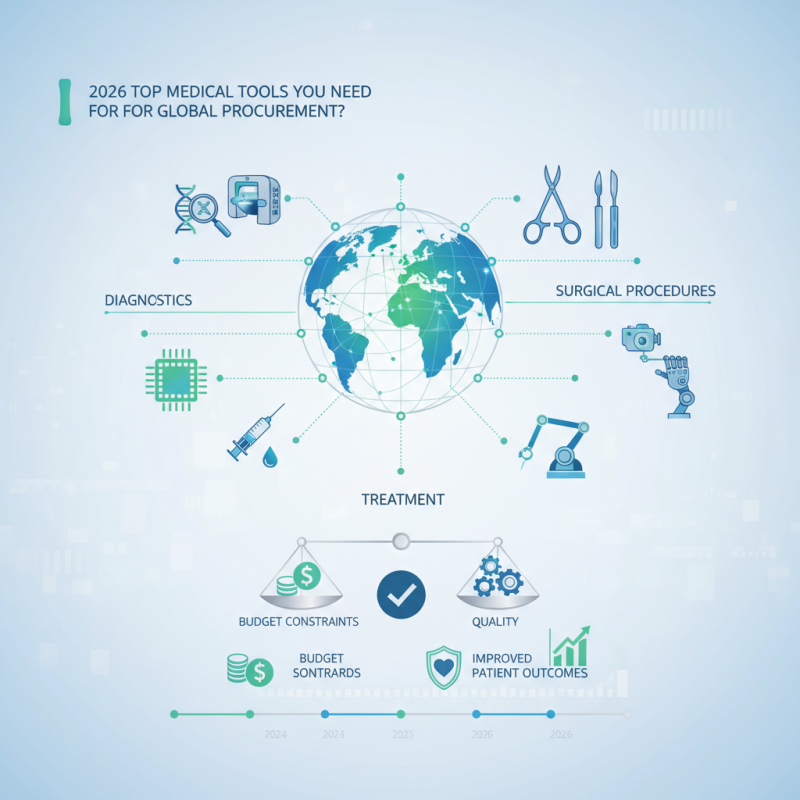
Understanding the essential medical tools needed for effective procurement is vital. Areas like diagnostics, treatment, and surgical procedures require precise and reliable instruments. Many medical facilities struggle to keep up with the latest innovations. This can lead to decisions that may compromise patient care, highlighting the importance of informed choices in procurement.
The selection of medical tools must be thorough and grounded in evidence. It should consider functionality, reliability, and compliance with safety standards. Organizations often face the dilemma of budget constraints versus quality. Striking a balance is key to successful procurement. Emphasizing the nuances of these decisions will pave the way for better healthcare delivery in the future.
Top Trending Medical Devices for Global Procurement in 2026
As we look toward 2026, the medical field is witnessing innovative shifts. A surge in telemedicine tools is changing patient care dynamics. These devices allow remote monitoring and consultations, bridging gaps in healthcare access. Yet, challenges remain in data security and user adoption.
Wearable medical technology is also gaining traction. Devices that track vital signs in real-time can empower patients and improve outcomes. However, the accuracy and reliability of these devices are still under scrutiny. Questions arise around users' understanding of such technology.
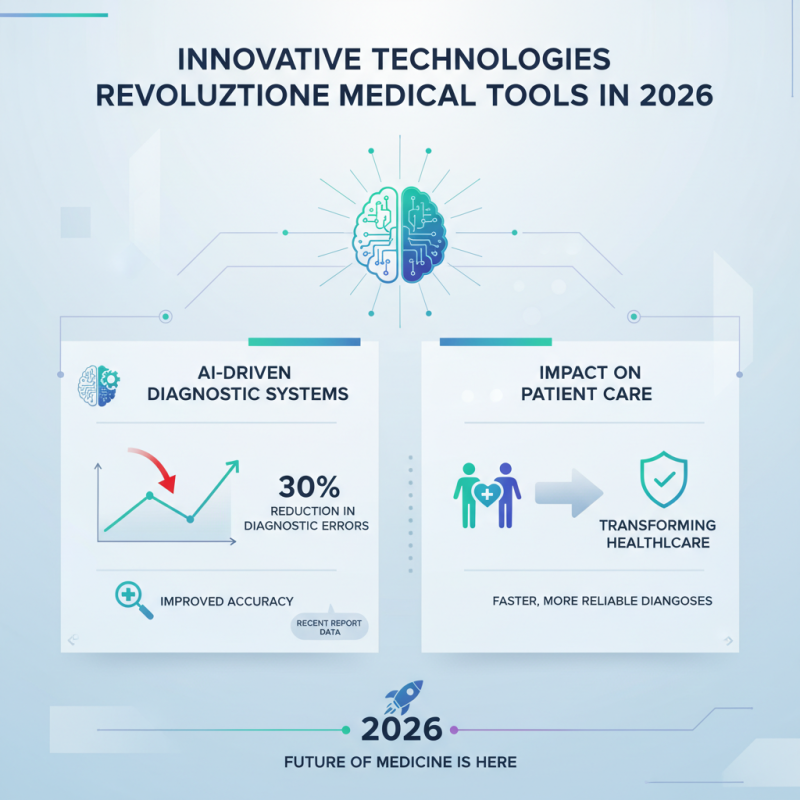
Trends indicate an uptick in AI-driven diagnostic tools. These can aid professionals in making faster decisions. The potential to enhance accuracy is promising, yet the reliance on algorithms poses ethical dilemmas. Training and transparency must be prioritized as these technologies evolve.
Analysis of Global Medical Equipment Market Growth and Demand
The global medical equipment market is evolving steadily, driven by a surge in demand for advanced healthcare solutions. Emerging economies are expanding their healthcare infrastructure. These nations are focusing on improving patient outcomes and enhancing diagnostic capabilities. The growth is evident in various sectors, including radiology, surgical instruments, and telehealth technologies. Increased awareness of health issues fuels this demand.
However, challenges remain in meeting the diverse needs of regional markets. Not all areas have equal access to cutting-edge medical tools. Supply chain issues and fluctuating regulations can delay procurement processes. As the industry targets growth, it must also address these disparities. Fostering partnerships with local suppliers could help bridge gaps in accessibility.
Healthcare professionals play a vital role in shaping the future of medical equipment procurement. Their insights can drive innovation and inform product development. Collaborating with them is essential for understanding what tools are truly needed in different environments. This ongoing conversation highlights the importance of continuous learning and adaptability in this fast-paced industry.
2026 Top Medical Tools You Need for Global Procurement
| Medical Tool |
Category |
Market Growth (%) |
Key Regions |
Demand Drivers |
| Ultrasound Devices |
Imaging |
8.5% |
North America, Europe |
Aging population, diagnostic imaging |
| MRI Machines |
Imaging |
7.2% |
Asia-Pacific, North America |
Advanced imaging, cancer detection |
| Surgical Instruments |
Surgery |
6.0% |
Global |
Increased surgeries, minimally invasive procedures |
| Dialysis Machines |
Renal Care |
5.5% |
Europe, North America |
Rising incidence of kidney disorders |
| Patient Monitors |
Monitoring |
9.0% |
Global |
Chronic diseases, emergency care |
Key Factors Influencing Medical Tool Procurement Decisions
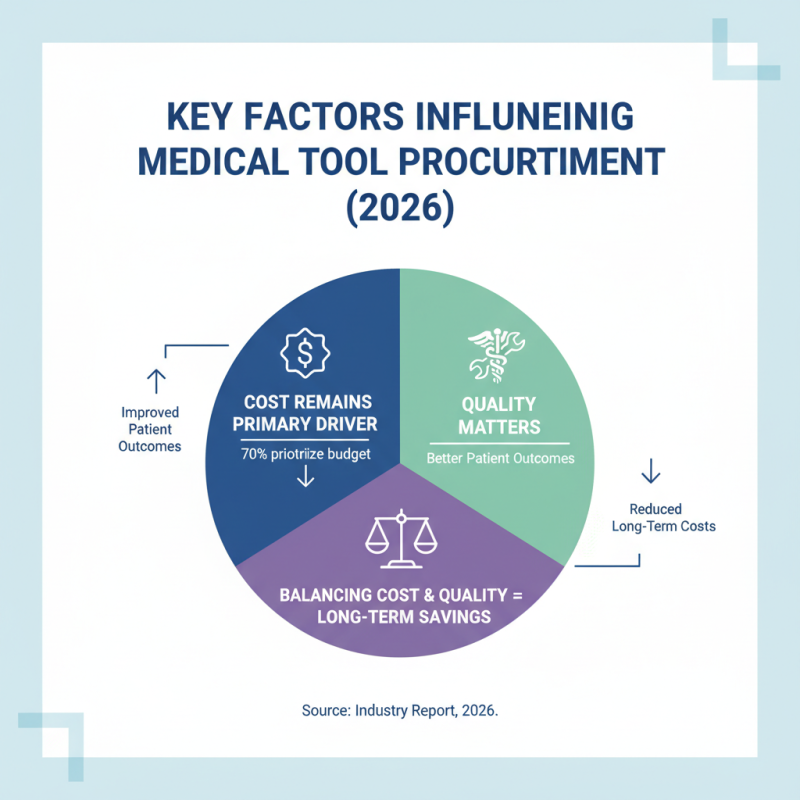
When it comes to procuring medical tools in 2026, several key factors influence decision-making. Cost remains a primary driver. According to a recent industry report, nearly 70% of healthcare providers prioritize budget constraints when selecting equipment. However, balancing cost with quality is crucial. High-quality tools can lead to better patient outcomes, ultimately saving costs in the long run.
Regulatory compliance is another major consideration. Healthcare institutions must ensure all tools meet stringent safety standards. Failing to comply can result in costly recalls or legal issues. Research shows that 45% of procurement decisions are influenced by the need for tools that align with regulatory requirements.
Training and support also play a vital role. Providers often look for tools that come with comprehensive training resources. An estimated 55% of procurement teams emphasize the importance of adequate training programs. This not only enhances operational efficiency but also minimizes the risk of errors. Relying solely on cost-cutting can backfire, creating hidden costs down the line. As such, organizations must reflect on their procurement strategies to ensure long-term sustainability and success.
Regulatory Compliance and Challenges in Global Medical Procurement
The procurement of medical tools on a global scale can be complex.
Regulatory compliance is a significant challenge faced by healthcare organizations.
Different countries have varying standards and requirements. Understanding these regulations can prevent
costly delays and compliance issues.
According to a recent report by the Global Healthcare Procurement Association, nearly
30% of organizations encountered regulatory compliance challenges.
These issues include varying documentation, risk assessments, and certification requirements, which can
differ from one region to another. A single misstep in these processes can lead to fines or shipment refusals.
Furthermore, achieving compliance often requires dedicated resources. The same report indicated that
40% of companies allocate extra budget for training staff
on compliance. This reflects a growing need for expertise in navigating international laws and standards.
While successful companies adapt, many still have room for improvement in their compliance strategies.
The landscape is continuously evolving. Organizations must stay informed about changes in regulations
to enhance their procurement processes effectively.