Top Hospital Furniture Innovations for Modern Healthcare Facilities?
The landscape of hospital furniture is evolving rapidly, driven by innovation and the need for efficiency in healthcare environments. According to the latest report from Global Market Insights, the hospital furniture market is projected to reach $10 billion by 2028, underscoring the crucial role that well-designed furniture plays in patient care. Dr. Mark Thompson, a leading expert in healthcare design, emphasizes, "Modern hospital furniture is not just about aesthetics; it fundamentally impacts patient outcomes and operational efficiency."
In today’s healthcare facilities, the integration of ergonomics and technology in hospital furniture is paramount. Adjustable beds, modular seating, and smart storage solutions are transforming how patients and staff interact within these spaces. However, many facilities still struggle with outdated furniture, resulting in inefficiencies and discomfort. The ongoing challenge is to balance cost with the need for flexibility and functionality.
Healthcare administrators are increasingly recognizing the importance of investing in high-quality hospital furniture. This investment leads to improved patient satisfaction and contributes to better health outcomes. As we evaluate the latest innovations, it's essential to reflect on past practices and their shortcomings. The future of hospital furniture holds promise, but it requires a commitment to continuous improvement and adaptation.
Emerging Trends in Hospital Furniture for Enhanced Patient Care
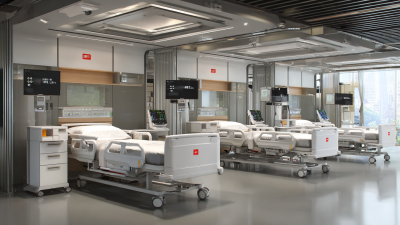
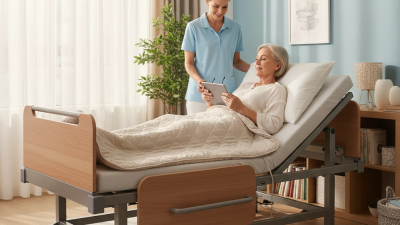
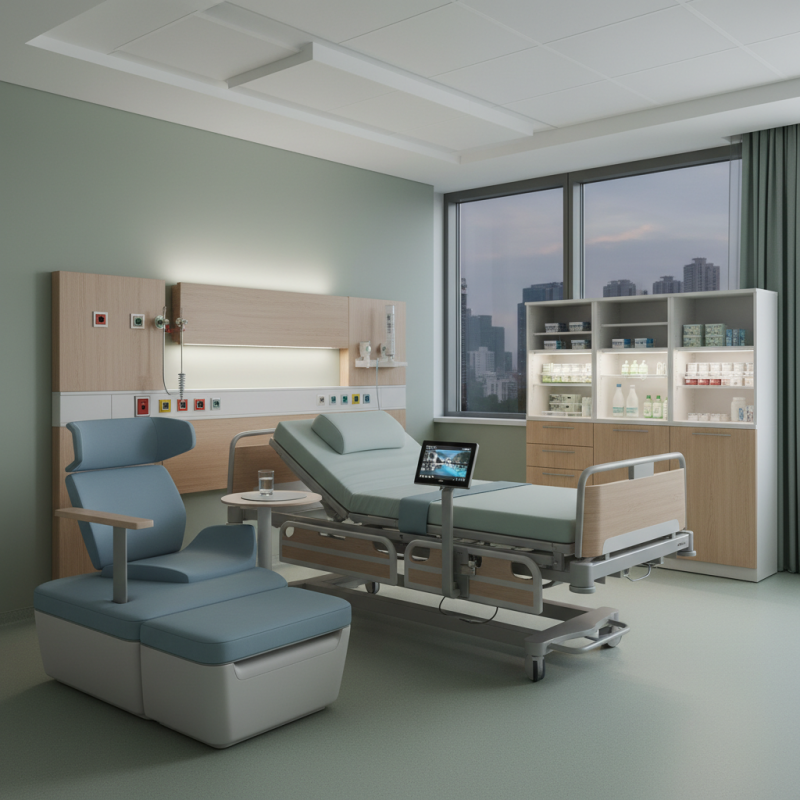
Emerging trends in hospital furniture focus on improving patient care through innovative designs and ergonomic features. Recent studies show that well-designed furniture can significantly enhance patient satisfaction and recovery. For instance, adjustable beds and chairs reduce discomfort and promote mobility. Hospitals are now prioritizing multi-functional pieces that adapt to various needs, from patient beds to family seating areas.
Another important trend is the incorporation of technology into hospital furniture. Smart beds equipped with sensors monitor patient movements, alerting staff to potential issues. This integration of tech empowers healthcare professionals, leading to quicker response times. In one report, facilities with high-tech furniture noted a 20% decrease in patient fall incidents.
Despite these advancements, some challenges remain. Not all hospitals can afford the latest innovations. Budget constraints often lead to outdated furniture that fails to meet modern needs. Additionally, there is a risk of over-relying on technology. Some staff may find it hard to adapt, impacting overall care quality. Balancing innovation with practical application is crucial for the future of hospital furniture design.
Smart Technologies in Modern Hospital Furniture Design
Modern healthcare facilities are increasingly integrating smart technologies into hospital furniture design. This trend reflects the shift toward enhanced patient care and operational efficiency. For instance, smart beds can automatically adjust their position for optimal comfort. These beds often have sensors that monitor vital signs, allowing staff to focus more on patient interactions.
Another exciting innovation is the incorporation of touchless technology. Many chairs and tables now feature surfaces that minimize contact, reducing the risk of infection. These designs also encourage better hygiene practices. However, integrating smart features can complicate maintenance. Facilities must be ready for ongoing updates and repairs to prevent disruptions.
The aesthetic appeal of furniture is also evolving. Modern designs incorporate calming colors and ergonomic shapes. This promotes a soothing environment for patients and visitors. Yet, some designs may sacrifice functionality for style, leading to potential usability issues. Balancing form and function remains a challenge for designers in today's healthcare landscape.
Top Hospital Furniture Innovations for Modern Healthcare Facilities
| Innovation |
Description |
Benefits |
Application Area |
| Smart Patient Beds |
Beds equipped with sensors to monitor patient vital signs and movement. |
Enhances patient safety and allows for real-time monitoring. |
Patient Rooms |
| Telehealth Desks |
Desks designed for virtual consultations with integrated technology. |
Facilitates remote healthcare and reduces patient wait times. |
Consultation Areas |
| Modular Furniture |
Flexible furniture that can be easily reconfigured for different needs. |
Adapts to changing facility requirements, optimizing space usage. |
Multi-Purpose Rooms |
| Ergonomic Seating |
Chairs and couches designed to provide optimal support for healthcare workers. |
Reduces fatigue and improves staff productivity. |
Break Rooms, Offices |
| Integrated Technology Tables |
Tables with built-in charging and connectivity options for devices. |
Enable seamless information access for both staff and patients. |
Patient Rooms, Waiting Areas |
Sustainable Materials in Hospital Furniture Production
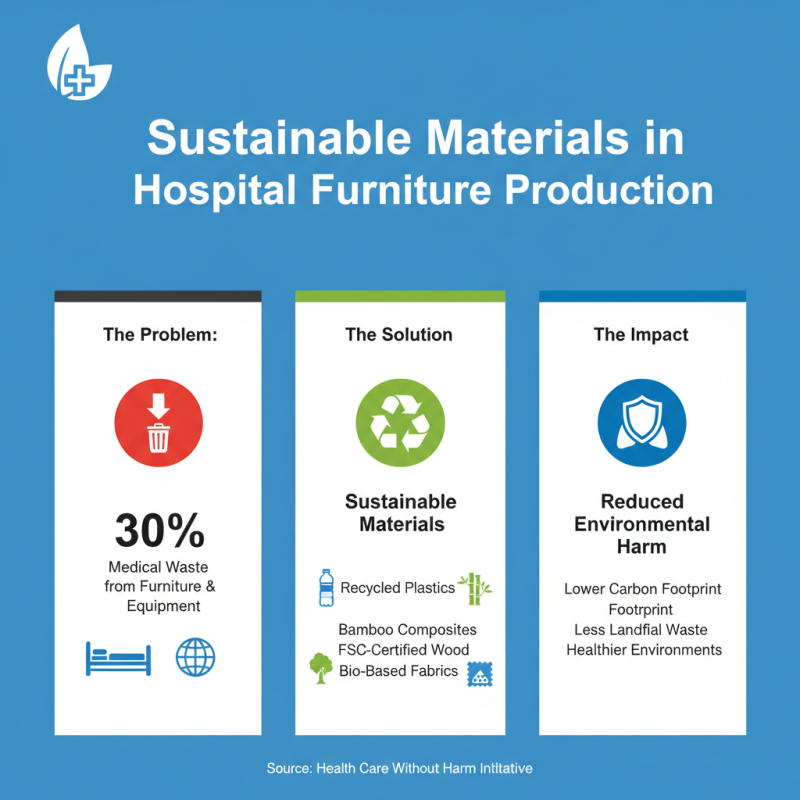
In recent years, the healthcare industry has made significant strides toward incorporating sustainable materials into hospital furniture production. A study from the Health Care Without Harm initiative reveals that around 30% of medical waste comes from furniture and equipment. This statistic underscores the urgency of addressing sustainability in hospital settings.
Many facilities are beginning to favor products made from recycled and eco-friendly materials. For instance, furniture crafted from reclaimed wood or recycled plastics can significantly reduce the carbon footprint. According to a report by the U.S. Green Building Council, the use of sustainable materials can lower energy consumption by 25%, enhancing the overall efficiency of healthcare facilities.
However, challenges remain. The balance between sustainability and functionality must be carefully managed. Some biodegradable materials may not withstand the rigorous cleaning processes needed in hospitals. Additionally, the initial costs of sustainable furniture can be higher, which may deter facility managers from making the switch. Continuing to innovate while assessing these trade-offs will be essential for advancing the use of sustainable hospital furniture.
Adaptable Furniture Solutions for Evolving Healthcare Environments
In modern healthcare facilities, adaptable furniture solutions are essential. A report by the Healthcare Design Magazine highlights that over 70% of healthcare professionals prioritize flexibility when choosing furniture. This need for adaptability allows facilities to respond to evolving patient care models effectively. For example, modular seating arrangements can be reconfigured quickly to accommodate varying family sizes and visiting policies. Such innovations improve not only the patient experience but also support staff efficiency.
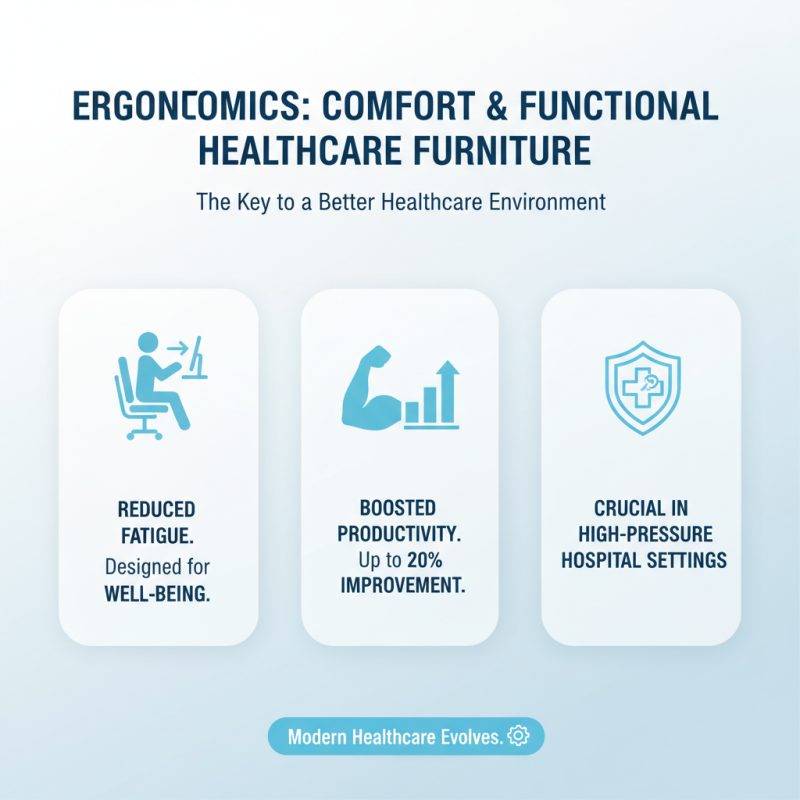
Consider also the rise of ergonomic designs in healthcare furniture. Studies show that 60% of healthcare workers suffer from musculoskeletal issues due to poorly designed workspaces. Investing in furniture that supports proper posture can lead to a 15% reduction in workplace injuries. This demonstrates the direct impact of design on staff wellbeing and productivity.
Tips: Choose furniture that can be easily modified for different uses. Regularly assess furniture effectiveness based on changing healthcare needs. Encourage staff to provide feedback on furniture functionality to ensure continuous improvement.