What is Soy Protein Isolate and How to Source It Globally?
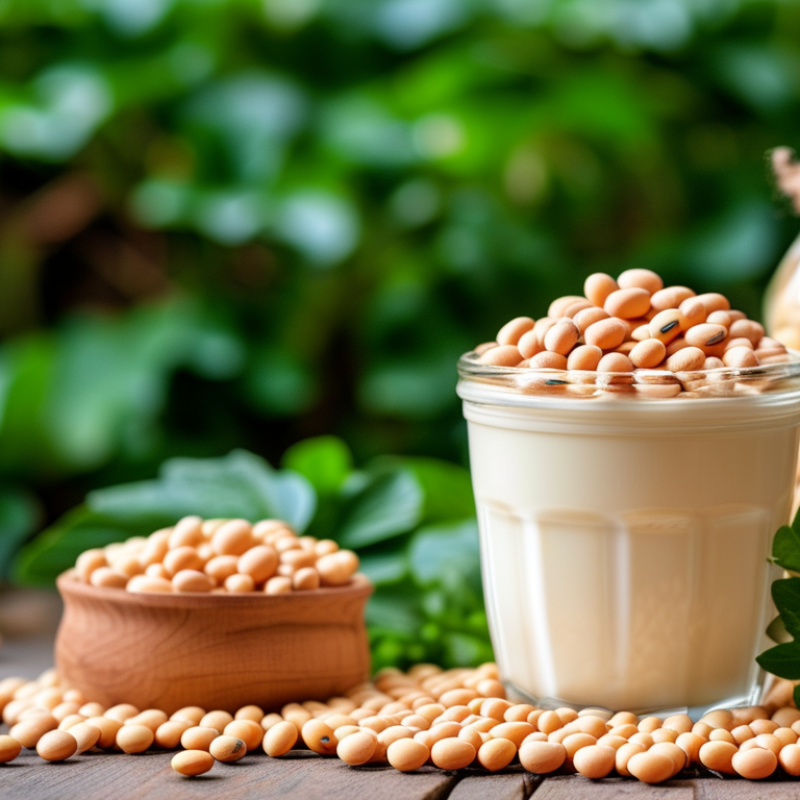
Soy Protein Isolate is a popular ingredient in various food products and supplements. Derived from soybeans, this high-quality protein is favored for its nutritional profile. It is often used in vegetarian and vegan diets, providing a complete amino acid profile.
Sourcing Soy Protein Isolate globally requires awareness of market trends and supplier reliability. Many companies seek sustainable sources to align with consumer demand for eco-friendly products. However, inconsistencies in quality may arise. Therefore, understanding sourcing methods is crucial for manufacturers.
The global demand for Soy Protein Isolate continues to grow, driven by health-conscious consumers. As a result, the market is becoming increasingly competitive. Companies must focus on transparency and ethical practices to ensure customer trust. This evolving landscape presents both challenges and opportunities for those in the industry.
What is Soy Protein Isolate: Definition and Composition
Soy protein isolate is a highly refined form of soy protein. It contains around 90% protein, making it an excellent source for those seeking plant-based protein. The isolation process removes much of the fat and carbohydrates found in whole soybeans. This results in a product that is low in calories and rich in essential amino acids.
In terms of composition, soy protein isolate includes a variety of nutrients. It provides a good amount of iron and several B vitamins. This protein is also a complete protein, meaning it supplies all nine essential amino acids. However, some individuals may have allergies to soy products. It's essential to consider personal dietary needs when incorporating soy protein isolate into your meals.
Sourcing soy protein isolate globally can present challenges. Quality can vary significantly based on production practices. Some regions may utilize genetically modified soybeans, while others adhere to organic standards. Researching suppliers and understanding their sourcing methods is crucial. Assessing their certifications and reputation can guide reliable choices. It's worth noting that transparency in sourcing is key for consumers concerned about health and environmental impacts.
Soy Protein Isolate Global Production and Usage
Nutritional Benefits of Soy Protein Isolate in Diet
Soy protein isolate is a highly refined soy protein with a protein content of 90% or higher. This makes it an excellent source of plant-based protein, particularly for vegans and vegetarians. Research shows that incorporating soy protein isolate into the diet can help improve overall protein quality. An analysis from the American Journal of Clinical Nutrition indicates that soy protein can support muscle health and promote satiety, helping with weight management.
Moreover, soy protein isolate is rich in essential amino acids, including leucine, which plays a crucial role in muscle synthesis. According to the Journal of Nutrition, individuals consuming adequate soy protein tend to have lower cholesterol levels. A study found that daily intake of soy protein can lead to a 5-10% reduction in LDL cholesterol, enhancing cardiovascular health.
However, despite these benefits, it’s essential to reflect on your dietary balance. Some people may experience gastrointestinal discomfort from high soy intake. Others may develop allergies over time. Be mindful of how your body responds. Adequate sourcing of soy protein isolate, ensuring it is non-GMO and sustainably produced, can help mitigate these concerns.
What is Soy Protein Isolate and How to Source It Globally?
| Nutritional Component | Value per 100g | Health Benefits |
| Protein | 90g | Supports muscle growth and repair |
| Fat | 1.5g | Low in saturated fat |
| Carbohydrates | 3.5g | Minimal impact on blood sugar |
| Fiber | 9g | Aids digestion and promotes gut health |
| Isoflavones | 160mg | May reduce the risk of breast and prostate cancer |
Global Production and Major Producers of Soy Protein Isolate
The global production of soy protein isolate has seen significant growth in recent years. Major producers are emerging in various regions, reflecting the increasing demand for plant-based proteins. Asia, particularly countries like Brazil and the United States, dominates the industry. They utilize advanced processing methods to extract high-quality protein. This process boosts the nutritional value of soybeans while maintaining their desirable taste and texture.
In Europe, production is growing steadily, though it lags behind the leading countries. Local suppliers focus on sustainable farming practices. They aim to meet rising consumer interest in eco-friendly products. Despite this progress, challenges remain. Some producers struggle with sourcing high-quality raw soybeans. Supply chain issues occasionally disrupt availability.
Additionally, market fluctuations can affect pricing and consistency. Many producers must adapt to changing consumer preferences, pushing them toward innovation. Implementing new technologies and methods is essential. Better production techniques can minimize waste and enhance quality. The evolution of the soy protein isolate industry is ongoing, making it a dynamic space for stakeholders and consumers alike.
Sourcing Soy Protein Isolate: Key Markets and Supply Chains
Sourcing soy protein isolate is a complex process anchored in global supply chains. Key markets include countries like the United States, Brazil, and Argentina. These regions are known for their vast soy cultivation areas. Farmers in these areas follow specific agricultural practices to ensure high-quality yields. They often use advanced technologies for planting and harvesting.
Transportation and logistics play vital roles in this sourcing journey. Efficient supply chains ensure timely delivery of soy protein isolate to manufacturers. However, challenges exist. Fluctuating prices and trade regulations can disrupt the flow of goods. Importers often face uncertainties, which can affect their production schedules.
Sourcing sustainable soy protein requires careful consideration. Consumers are becoming more aware of ethical sourcing practices. This shift pushes suppliers to adopt more transparent methods. Collaborations between farmers and manufacturers emerge as potential solutions. However, there is still room for improvement in traceability and environmental impact assessments. Addressing these issues can enhance the reliability of soy protein isolate in the market.
Quality Standards and Certifications for Soy Protein Isolate
When sourcing soy protein isolate, quality standards and certifications play a critical role. These guidelines assure consumers and manufacturers of the product's safety and nutritional value. Certified products typically undergo rigorous testing to meet specific benchmarks. Look for certifications such as Non-GMO, USDA Organic, or ISO certifications. Each standard serves a unique purpose, ensuring that the soy protein is both high-quality and environmentally sustainable.
Selecting a reliable supplier requires attention to detail. Many providers claim high standards, but not all meet them. Evaluating a supplier’s certifications involves checking their compliance with international regulatory bodies. It’s also essential to consider their production methods. A transparent supply chain speaks volumes about a company’s trustworthiness. Be cautious of vague claims.
Quality discrepancies can arise in soy protein isolate production. Inconsistencies may occur due to various factors such as sourcing practices or processing methods. Before making a purchase, ask potential suppliers for detailed sourcing and quality assurance processes. Engaging directly with manufacturers may reveal more about their practices and commitment to excellence. Quality should never be compromised, as it directly impacts your health and the health of consumers.