The Science Behind Weighing Machines and Their Impact on Modern Health Monitoring
The advancement of health monitoring technology has brought significant focus to the role of weighing machines in both clinical and personal health settings. According to the Global Weight Management Market report, the demand for innovative weighing machines has surged, with the market expected to reach USD 8.04 billion by 2026, growing at a CAGR of 9.6% from 2021. Weighing machines are no longer mere tools for measuring body weight but have evolved into sophisticated devices that integrate digital features, connectivity, and biometric analysis. As modern health monitoring increasingly relies on accurate data for effective weight management, understanding the science behind weighing machines becomes essential. This article will delve into the mechanics of these devices, their impact on health assessment, and how they contribute to a holistic approach toward personal well-being, illustrating their indispensable role in contemporary health management strategies.
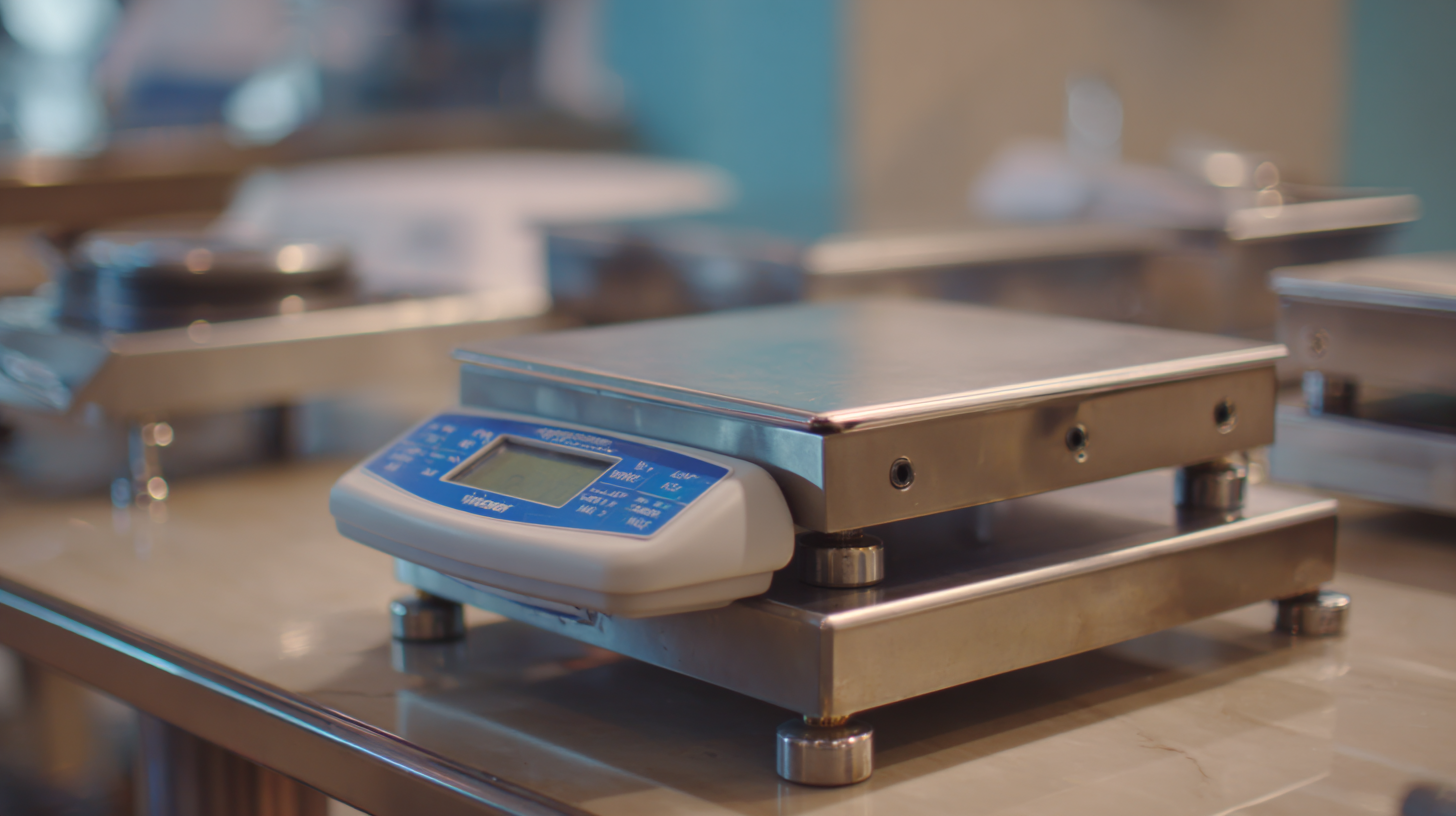
Understanding the Fundamental Principles of Weighing Machines
Weighing machines, often perceived as simple devices, are rooted in fundamental scientific principles that significantly enhance our understanding of health monitoring. At their core, these machines operate based on the laws of mechanics and gravity. When a person steps onto a scale, their weight is determined by the force exerted by their body mass in relation to the gravitational pull of the Earth. This measurement not only reflects an individual's body weight but also serves as a crucial indicator of their overall health status.
Modern electronic weighing machines employ advanced technology to improve accuracy and user experience. Load cells, which convert force into electrical signals, are commonly used in digital scales. These components help in providing precise readings and often include additional features such as body mass index (BMI) calculations and connectivity to health tracking applications. By understanding the fundamental principles behind these mechanisms, we can appreciate how weighing machines contribute to effective health monitoring, helping individuals make informed decisions about their lifestyle and well-being.
The Science Behind Weighing Machines and Their Impact on Modern Health Monitoring
| Dimension |
Details |
| Type of Weighing Machine |
Electronic |
| Primary Function |
Weight Measurement |
| Measurement Precision |
±0.1 kg |
| Common Uses |
Health Monitoring, Fitness Tracking |
| Data Connectivity |
Bluetooth, Wi-Fi |
| User Capacity |
Up to 10 Users |
| Battery Life |
Up to 6 months |
| Weight Range |
5 - 180 kg |
The Evolution of Weighing Machines in Health Technology
The evolution of weighing machines has played a pivotal role in health technology, transitioning from simple mechanical devices to sophisticated digital scales equipped with advanced analytics. These modern scales offer insights beyond just weight, taking into account body composition metrics such as fat percentage and muscle mass, which are essential for a holistic understanding of an individual's health. The shift away from relying solely on Body Mass Index (BMI) highlights the need for more comprehensive health assessments, as BMI's limitations in determining chronic disease risk are increasingly recognized.
Tips: When choosing a weighing machine, look for features that provide detailed body composition analysis to better track your overall health. Additionally, consider models that sync with health apps to monitor changes over time effectively. Staying informed about the latest health technology trends can further enhance your health management strategy.
As the healthcare ecosystem evolves, integrating artificial intelligence and cloud-based technologies into health monitoring, the role of weighing machines continues to expand. These devices not only provide immediate feedback on physical health but also contribute to long-term wellness strategies, helping individuals engage more actively with their health data. Embracing this evolution can empower users to make informed lifestyle choices based on dynamic and accurate health insights.
The Evolution of Weighing Machines in Health Technology
This chart illustrates the average weight measurements recorded over different decades, showcasing the advancements in weighing machine technology and its role in modern health monitoring.
How Weighing Machines Contribute to Personal Health Monitoring
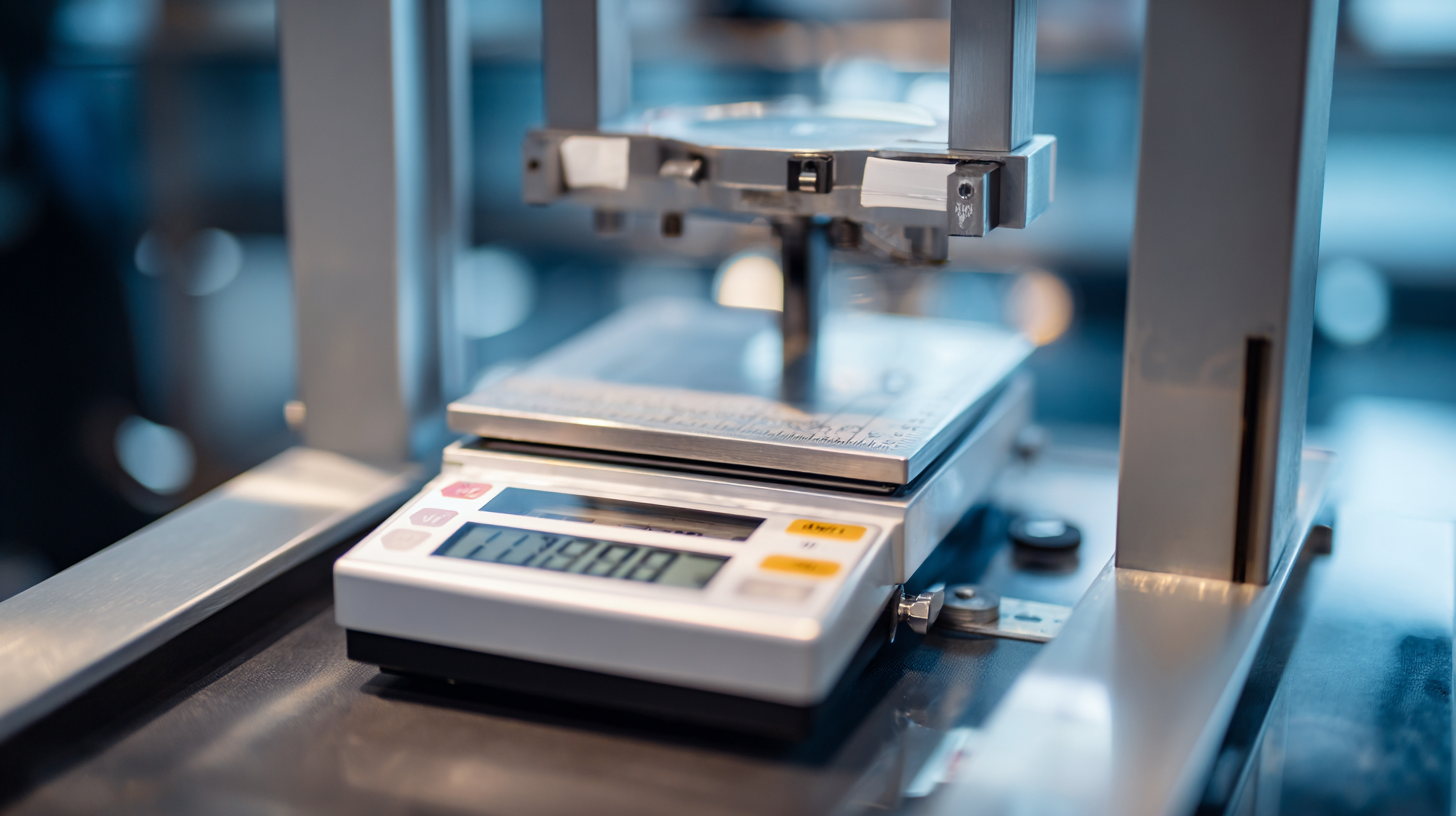 Weighing machines play a crucial role in personal health monitoring by providing individuals with immediate feedback on their body weight. This feedback is invaluable as it allows users to track changes over time and make informed decisions regarding their lifestyle choices. By regularly measuring their weight, individuals can identify trends that may indicate potential health issues, such as obesity or malnutrition. With the rapid advancement of technology, many modern weighing machines are equipped with features that allow users to store their weight data, analyze patterns, and even share results with healthcare professionals.
Additionally, weighing machines have evolved beyond simple scales to include smart technology that integrates with fitness apps and wearable devices. This connectivity enables a holistic approach to health management, encouraging users to set and achieve personalized goals related to weight, diet, and overall wellness. Furthermore, the psychological aspect of weight monitoring can motivate individuals to adopt healthier habits, as being aware of one’s body weight can instigate positive changes in diet and exercise routines. In this way, weighing machines are not just tools for measurement but are essential components of a comprehensive strategy to promote and maintain personal health.
Interpreting Body Weight Data for Better Health Decisions
Weighing machines have evolved into essential tools for health monitoring, offering insights that extend beyond mere numbers. As we increasingly rely on data to inform our health decisions, understanding body weight is crucial for effective health management. Recent discussions highlight the impact of body weight on conditions such as Type 2 diabetes, and medications that assist in weight loss underscore the need for careful interpretation of weight data. With obesity on the rise, especially in places like India, it becomes vital to navigate this information to facilitate better lifestyle choices.
Tips for Interpreting Body Weight Data:
- Track Trends, Not Just Numbers: Look for changes in your weight over weeks or months rather than fixating on daily fluctuations. Consistent patterns can provide a clearer picture of your health.
- Understand Body Composition: Consider factors like muscle mass and body fat percentage, as they offer a more comprehensive view of your health than weight alone.
- Consult Healthcare Professionals: Engage with your doctor to interpret your weight data within the context of your overall health, and explore additional strategies for weight management beyond medication.
With these insights, individuals can leverage technology and professional guidance to make informed health decisions, ultimately fostering a proactive approach to wellness.
The Future of Weighing Machines in Personalized Medicine and Fitness
The advancement of weighing machines has led to significant innovations in personalized medicine and fitness. As healthcare continues to shift towards individualized treatment plans, smart weighing machines are becoming crucial tools for precision health monitoring. According to a recent report by the Global Health Data Exchange, integrated health monitoring systems, including smart scales, can improve health outcomes by 30% when used in conjunction with personalized health data. These devices allow users to track their weight alongside other vital metrics like body composition and hydration levels, facilitating a more comprehensive health assessment.
Tips: To maximize the benefits of smart weighing machines, ensure you use them consistently under similar conditions, such as at the same time of day. This practice provides the most accurate tracking of your health data over time. Also, consider integrating the collected data with mobile health apps to gain deeper insights into your progress and adjust your fitness or nutrition plans accordingly.
Looking ahead, the integration of artificial intelligence into weighing machines promises even greater personalization. These devices can analyze patterns in your weight fluctuations and provide tailored recommendations for diet and exercise. By 2026, the market research firm Statista projects that the personalized fitness technology sector will reach a value of over $12 billion, highlighting the increasing importance of smart weighing machines in both fitness and healthcare realms.