Revolutionizing Patient Care with Innovative Hospital Furniture Solutions
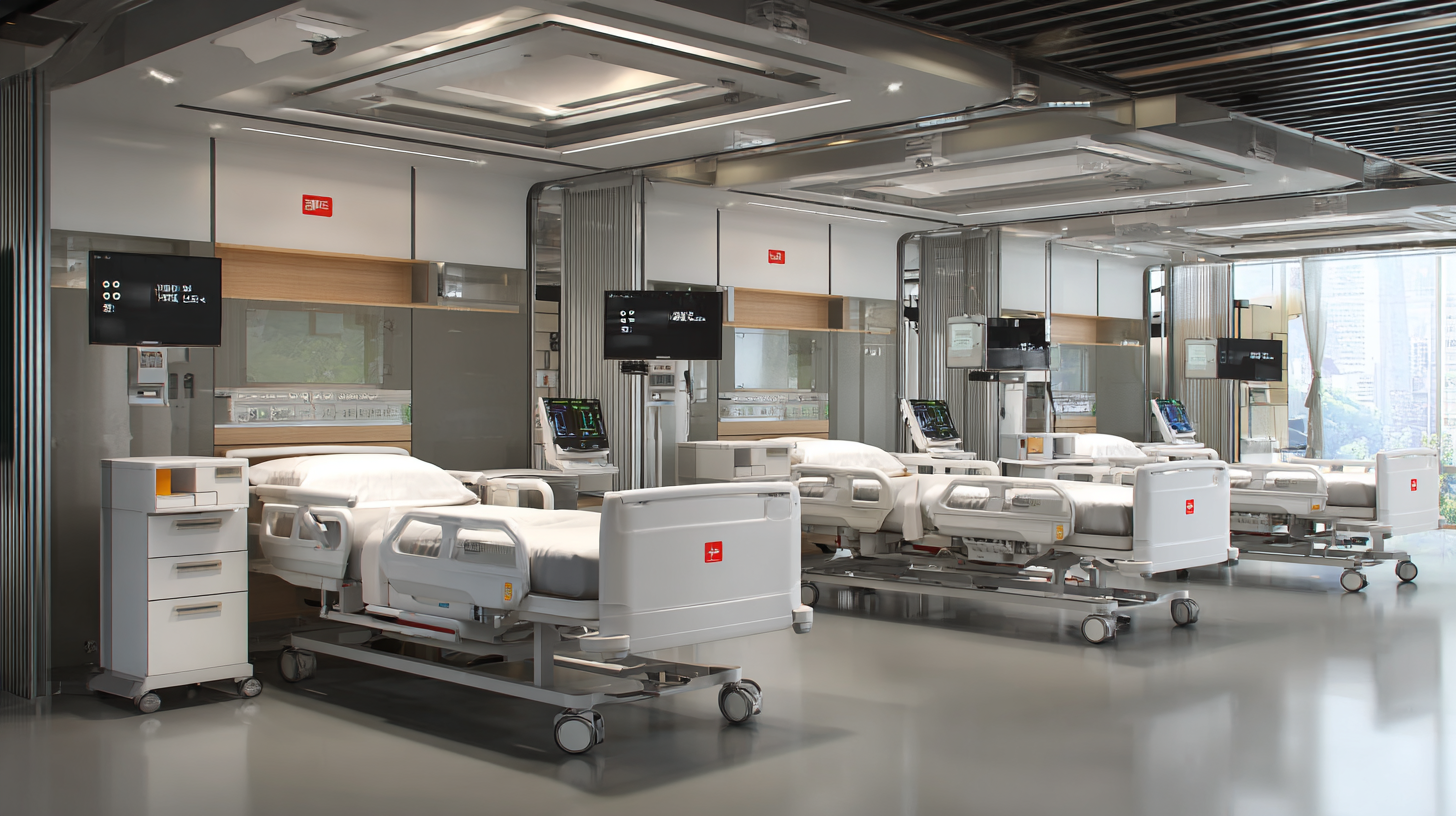 In the ever-evolving landscape of healthcare, the role of hospital furniture has garnered increasing attention as a critical component in enhancing patient care and promoting recovery. A recent report by the World Health Organization (WHO) indicates that an environment designed with patient-centric furniture can reduce patient stress and anxiety by 30%, significantly improving overall satisfaction scores. Moreover, studies reveal that ergonomic designs in hospital furniture not only contribute to patients’ physical well-being but also support healthcare professionals in delivering optimal care, leading to a reduction in work-related injuries by up to 40%. As hospitals strive to adapt to these findings, investing in innovative hospital furniture solutions becomes essential. This shift not only promotes a healing environment but also aligns with the broader objective of improving healthcare outcomes, efficiency, and patient experiences, setting a new standard for what modern medical facilities can achieve.
Why Innovative Hospital Furniture is Essential for Modern Patient Care
Innovative hospital furniture plays a crucial role in enhancing modern patient care by prioritizing both functionality and comfort. Traditional hospital settings often lack the design elements necessary to support a healing environment. By integrating ergonomic chairs, adjustable beds, and multi-functional waiting area furniture, healthcare facilities can create spaces that promote recovery and well-being. These advancements not only accommodate the physical needs of patients but also contribute to their psychological comfort, fostering a more positive experience during their hospital stay.
Moreover, the incorporation of smart technology into hospital furniture is revolutionizing the way care is delivered. Features such as built-in monitoring systems, touchless controls, and adaptable layouts allow for efficient patient management and improved staff workflow. This seamless integration results in better communication between healthcare providers and patients, ensuring that individuals receive timely and effective care. As hospitals continue to evolve, the importance of innovative furniture solutions in creating an optimal healing environment remains paramount, helping to meet the diverse needs of patients in this modern healthcare landscape.
Why Ergonomic Designs in Hospital Furniture Enhance Recovery Rates
The integration of ergonomic designs in hospital furniture has significantly enhanced patient recovery rates, revolutionizing the healthcare environment. According to the **Journal of Healthcare Engineering**, studies indicate that ergonomic patient beds can reduce pressure ulcers by up to 22%, which is a critical factor in patient recovery. These beds are designed to support the natural curvature of the body, thereby minimizing discomfort and promoting better blood circulation.
Furthermore, the **American Institute of Architects** reports that thoughtfully designed hospital spaces, which include ergonomic furniture, help reduce patient anxiety and improve overall satisfaction. When patients feel more comfortable and at ease in their environment, they are more likely to adhere to treatment protocols and experience faster recovery. The implementation of adjustable chairs and tables fosters independence among patients, encouraging them to participate actively in their rehabilitation process. As hospitals continue to invest in innovative furniture solutions, the focus remains on creating a healing atmosphere that directly contributes to improved health outcomes.
Impact of Ergonomic Designs on Patient Recovery Rates
Why Customizable Hospital Furniture Solutions Foster Patient Comfort
In today's healthcare landscape, the pivotal role of hospital furniture in fostering patient comfort cannot be overstated. According to a report published by the Center for Health Design, environments that prioritize patient-centered design can lead to a 30% reduction in stress-related symptoms among patients. Customizable hospital furniture solutions play a significant part in this transformation by adapting to the unique needs of each patient, ultimately enhancing their overall experience.
Custom furniture options, such as adjustable beds and modular seating, allow facilities to respond to the diverse requirements of patients, from mobility challenges to preferences in positioning. A study by the Healthcare Furniture Manufacturers Association revealed that hospitals implementing personalized furniture saw an increase in patient satisfaction scores by nearly 25%. By investing in ergonomic designs and flexible solutions, healthcare providers can actively contribute to improved outcomes, reducing hospital stays and fostering a sense of autonomy and dignity for patients during their recovery process.
Revolutionizing Patient Care with Innovative Hospital Furniture Solutions - Why Customizable Hospital Furniture Solutions Foster Patient Comfort
| Dimension |
Standard Options |
Customizable Features |
Patient Comfort Rating (1-10) |
| Bed Size |
80"x36" |
Adjustable height, expandable width |
9 |
| Chair Design |
Standard recliner |
Heat & massage options |
8 |
| Desk Height |
30" |
Adjustable to wheelchair height |
7 |
| Storage Solutions |
Standard cabinets |
Custom compartment sizes |
8 |
| Materials |
Plywood frame |
Eco-friendly materials available |
9 |
Why Smart Hospital Furniture Can Transform Healthcare Efficiency
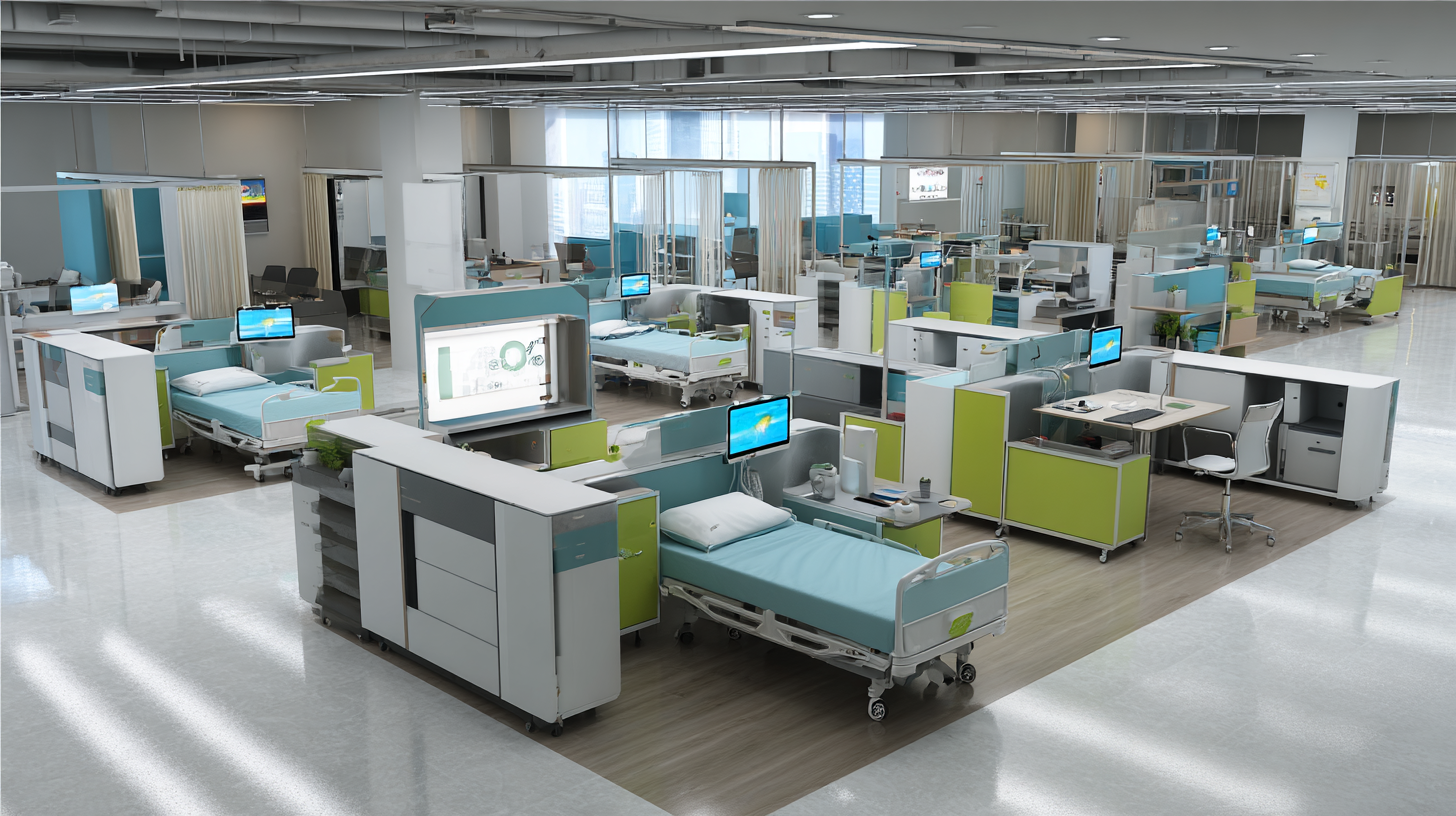
The integration of smart hospital furniture is poised to significantly enhance healthcare efficiency by creating a more responsive and adaptable environment for patient care. With the rise of intelligent technologies, hospitals are transforming into smart facilities that leverage advanced furniture designs to improve workflow and patient outcomes. For instance, smart beds equipped with sensors can monitor vital signs in real-time, allowing healthcare providers to respond promptly to any changes in a patient’s condition, thus fostering a proactive approach to care.
Moreover, the digital transformation extends beyond mere furniture; it encompasses a holistic shift towards intelligent ecosystems within healthcare settings. Innovations such as connected nursing stations and automated medication dispensing systems streamline operations, reduce wait times, and minimize the risk of errors. By harnessing the power of smart technology, hospitals can not only enhance operational efficiency but also create a safer and more comfortable environment for patients, ultimately leading to better healthcare outcomes.
The future of healthcare lies in these innovative solutions, emphasizing the need for a continued focus on intelligent design in hospital infrastructure.
Why Sustainability in Hospital Furniture Design Matters for Patient Well-being
Sustainability in hospital furniture design is crucial not only for environmental preservation but also for enhancing patient well-being. The materials and manufacturing processes used in creating hospital furniture can significantly affect the indoor environment of healthcare facilities. Furniture made from non-toxic, sustainable materials reduces harmful emissions, which can lead to healthier surroundings for patients and staff alike. This focus on eco-friendly design can foster a sense of safety and comfort, ultimately improving patient recovery and overall experience.
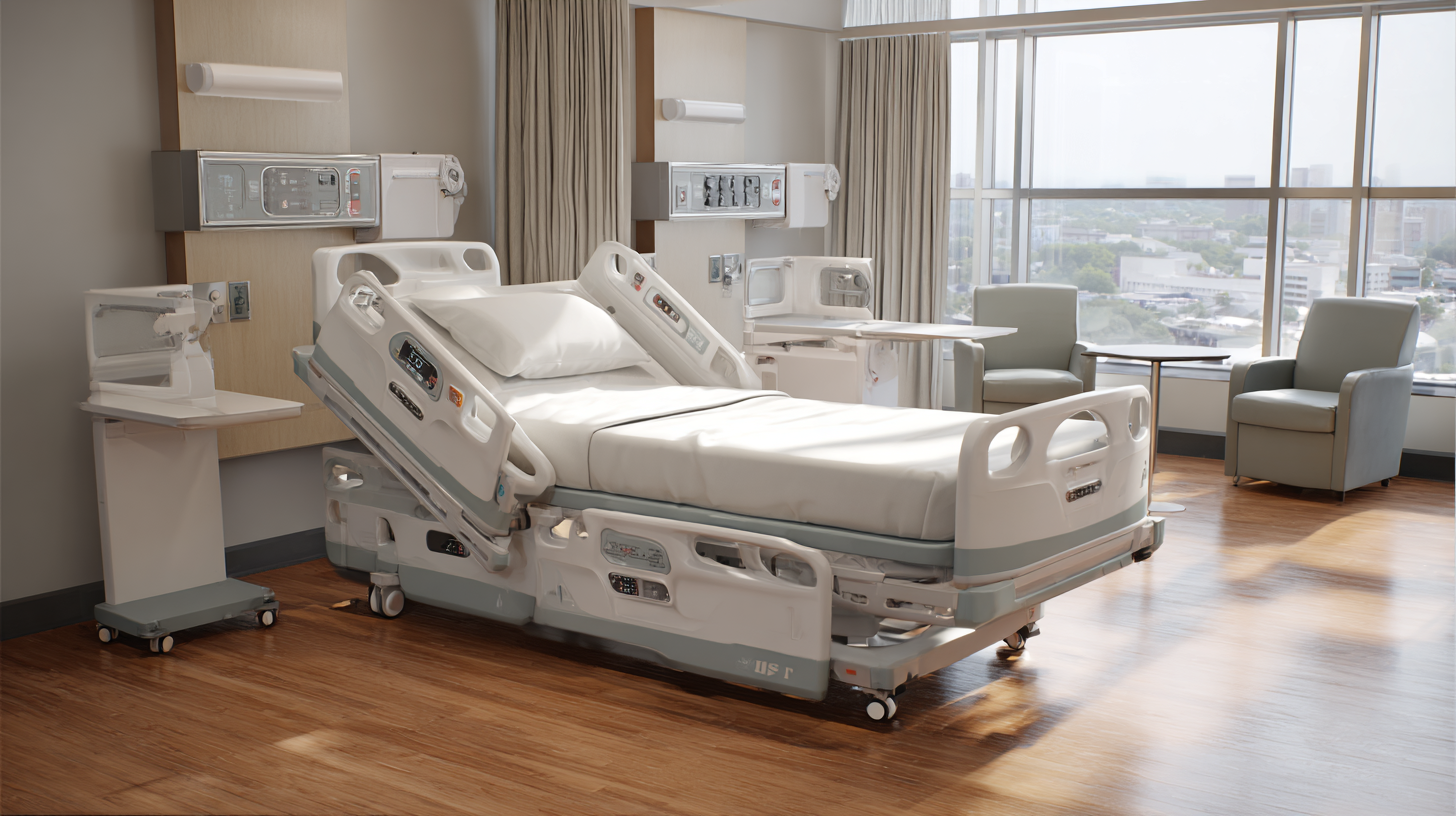
Moreover, innovative hospital furniture solutions are designed to be multifunctional and adaptable, addressing the unique needs of patients while prioritizing sustainability. For instance, adjustable beds and chairs made from renewable resources can provide optimal support for patients with varying medical conditions. These designs not only enhance comfort and functionality but also reflect a commitment to ecological responsibility. By integrating sustainable practices into hospital furniture design, facilities can create a healing environment that emphasizes both the physical and psychological well-being of patients.