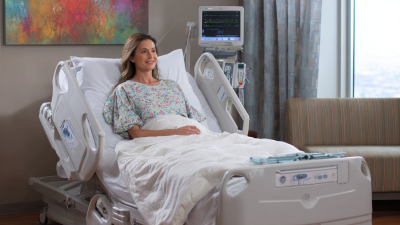
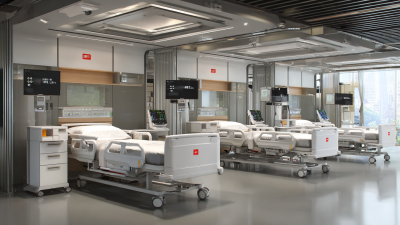
In healthcare settings, the term "patient bed" refers to a specialized piece of furniture essential for patient care and recovery. Patient beds are not merely a place for patients to rest; they play a critical role in facilitating medical treatment, ensuring comfort, and promoting healing. An effectively designed patient bed can significantly influence a patient’s overall experience and satisfaction during their stay in a hospital or care facility.
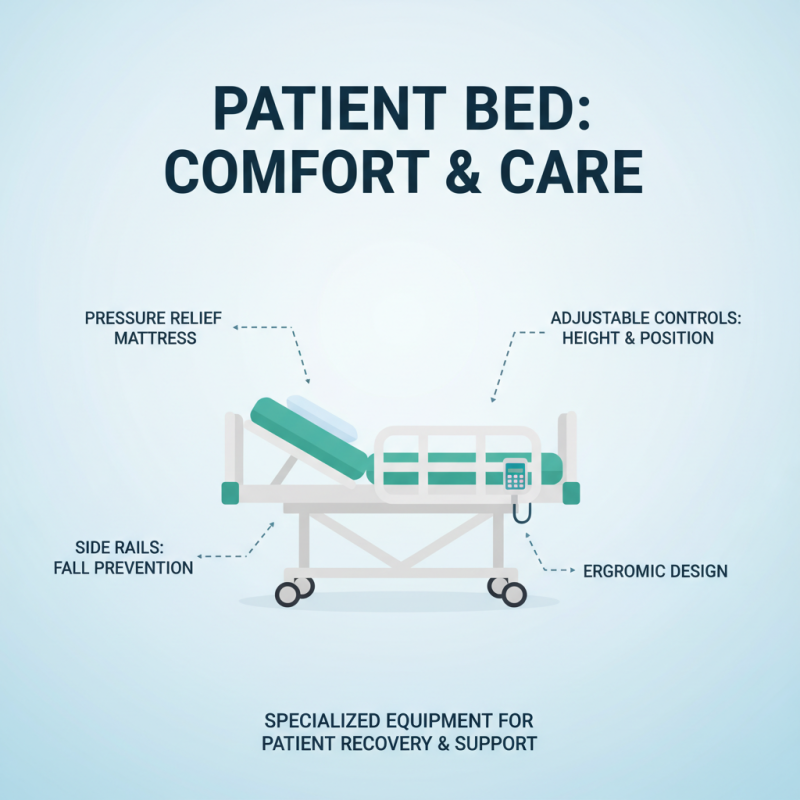
The importance of patient beds extends beyond basic functionality, as they are equipped with various features to enhance the safety and comfort of patients. Adjustable heights, side rails, and integrated positioning mechanisms are some of the features that contribute to both the patient's physical wellbeing and the caregiver’s ability to provide efficient care. Furthermore, the design and quality of patient beds can impact patient mobility, ease of access for healthcare professionals, and the prevention of complications such as pressure ulcers.
In summary, understanding the significance of patient beds in healthcare settings is vital, as these beds are at the core of patient care and rehabilitation. By prioritizing the design and functionality of patient beds, healthcare institutions can foster an environment that supports healing and recovery, ultimately leading to better health outcomes for patients.
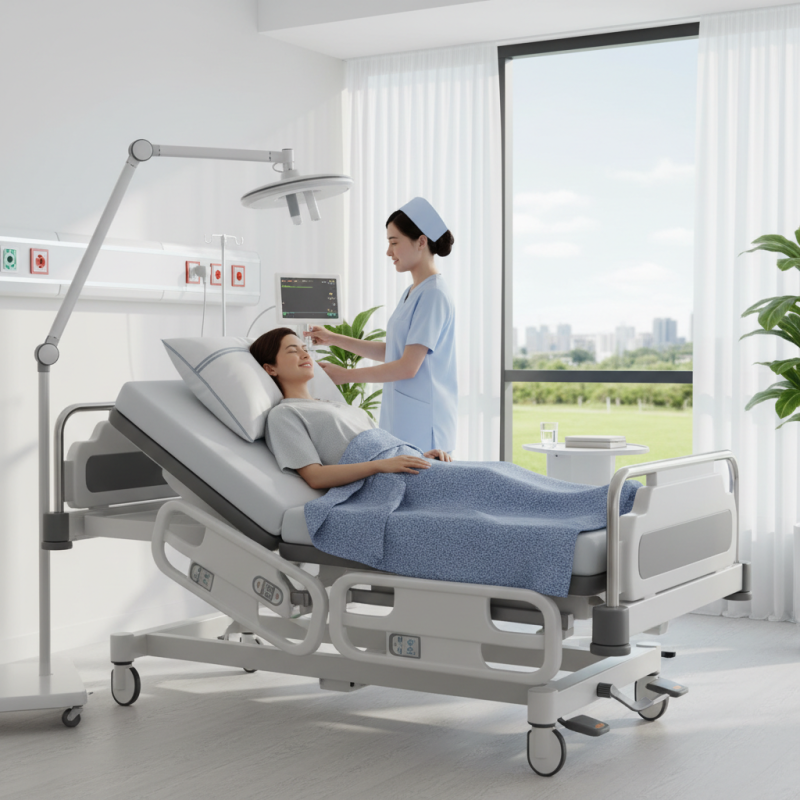
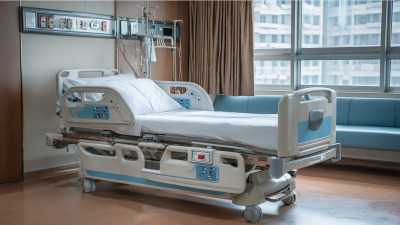
A patient bed, often found in hospitals and healthcare facilities, is a specialized piece of equipment designed to provide comfort and support to patients during their recovery. Typically adjustable, patient beds feature a variety of components that enhance both functionality and patient care. Key elements of a patient bed include the mattress, which is designed for pressure relief and support; side rails, which help prevent falls; and controls for adjusting the bed's height and position to facilitate easier access for medical staff and enhance patient comfort.
In addition to these basic components, many patient beds are equipped with integrated features such as built-in scales for weight monitoring, IV poles for administering medications, and electrical outlets for connecting various medical devices. Some beds are designed to accommodate specific medical conditions, providing options for harnessing advanced technology such as pressure sensors and automated repositioning systems. Understanding the components and functionalities of patient beds is crucial, as these elements play a significant role in promoting patient safety, enhancing the healing environment, and supporting the overall workflow of healthcare providers.
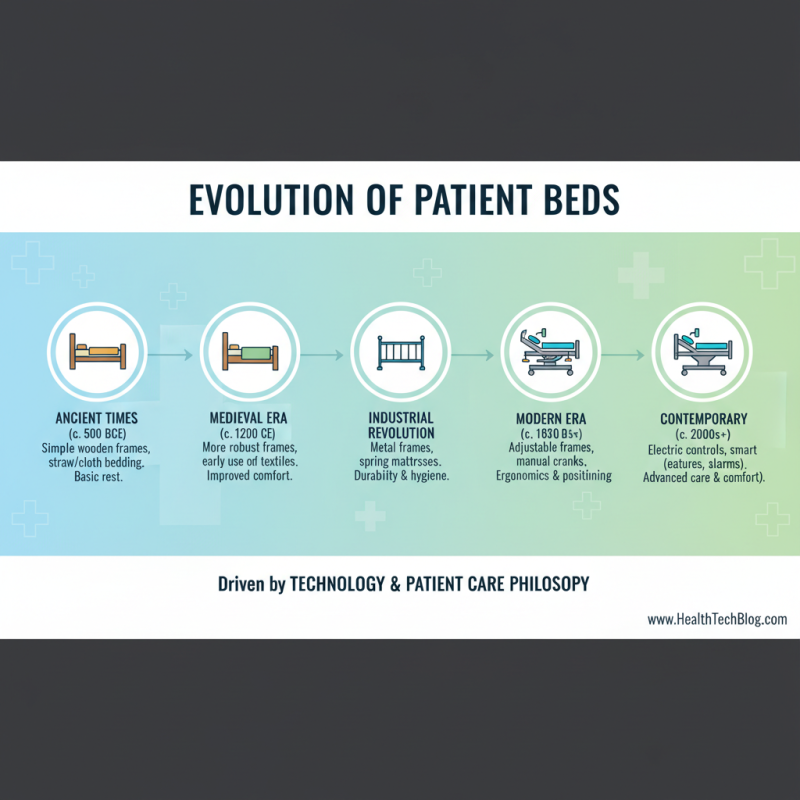
The historical evolution of patient beds in healthcare settings reflects significant advancements in both technology and patient care philosophy. In ancient times, patient beds were simple structures, often little more than wooden frames with straw or cloth bedding. These early forms prioritized basic comfort, primarily serving the function of providing a resting place for patients. Over centuries, the design of patient beds began to change, influenced by improvements in materials and an increasing understanding of ergonomics.
The introduction of adjustable beds marked a pivotal moment in healthcare history. By the mid-20th century, innovations such as electric controls and adjustable height features revolutionized hospital settings. These advancements allowed healthcare professionals to better accommodate the needs of patients, facilitating easier access for medical treatment and enhancing overall comfort. Moreover, the focus on infection control led to the development of more hygienic surfaces and materials, which were important for patient safety in hospital environments. The evolution of patient beds thus mirrors the broader shifts in medical practice, moving from basic care to a more holistic approach that considers the physical and emotional wellbeing of patients.
Patient beds play a pivotal role in enhancing patient care and recovery in healthcare settings. According to the World Health Organization, a comfortable and well-designed patient bed can significantly impact patient outcomes, including reduced hospital stay duration and improved overall satisfaction. Studies indicate that optimal patient bed settings can decrease the risk of pressure ulcers by up to 50%, a critical concern for prolonged immobility in hospitalized patients. Furthermore, adjustable beds that allow for elevation can aid in respiratory function and improve circulation, which are essential for recovery.
Incorporating ergonomic designs into patient beds not only supports patient comfort but also facilitates better care delivery for healthcare professionals. Research published in the Journal of Healthcare Engineering emphasizes that beds equipped with features such as side rails, adjustable height, and easy maneuverability can enhance caregiver efficiency, thereby allowing for more immediate responses to patient needs.
Tips: To optimize recovery, ensure that patient beds are adjusted according to individual needs, considering factors such as height and position. Regular training for healthcare staff on the importance of proper bed adjustments can also lead to better patient outcomes. Additionally, maintaining cleanliness and hygiene of the patient beds is crucial to prevent infections and promote a healthier environment for patients.
Patient beds are essential pieces of equipment in healthcare settings, designed to provide comfort, support, and safety for patients during their recovery. Various types of patient beds cater to the unique needs of different medical conditions and patient demographics. Understanding these variations ensures that medical facilities can choose the most appropriate options for their patients.
One common type of patient bed is the hospital bed, which is adjustable to allow for elevating the head or feet. This feature is crucial for patients who require specific positioning due to surgical recovery, respiratory issues, or other medical conditions. Another type is the bariatric bed, designed to accommodate larger patients, offering extra width and weight capacity while ensuring comfort and safety. Additionally, specialized beds like pressure relief beds help prevent pressure ulcers by redistributing weight and minimizing skin contact with hard surfaces.
In pediatric care, beds specifically designed for children are used, incorporating safety features such as side rails and adjustable heights to accommodate growing patients. Each type of patient bed plays a vital role in enhancing patient care by promoting better outcomes, aiding in mobility, and allowing for easier access for healthcare providers.
Patient beds play a crucial role in healthcare settings, not only in terms of comfort but also concerning safety standards and regulations that govern their use. According to a report from the World Health Organization, approximately 80% of patients in acute care facilities require a hospital bed to ensure proper recovery while minimizing the risk of injury. These beds must meet stringent safety regulations set forth by organizations like the Food and Drug Administration (FDA) and the International Organization for Standardization (ISO). Compliance with these standards is essential to prevent accidents such as falls, which are a leading cause of injury in hospitals, affecting over 700,000 patients annually in the United States alone.
The safety features of patient beds, such as adjustable side rails and anti-entrapment mechanisms, must be regularly evaluated to ensure they meet the regulatory standards outlined in the FDA's guidance documents. In particular, facilities are encouraged to adopt beds equipped with advanced technology, such as fall detection systems, which can significantly enhance patient safety. A study conducted by the Journal of Patient Safety reports that hospitals implementing these regulatory measures have seen a 30% reduction in bed-related injuries, emphasizing the importance of adhering to safety standards in the design and operation of patient beds. Regular training for healthcare staff on these safety features further reinforces their effectiveness, ensuring that patient care remains the top priority.
Get the instant quotes from our sales representatives!
HEMC (Hospital Equipment Manufacturing Company) was established in the year 1981 and has since been engaged in the export of Medical equipments, Hospital equipments, Orthopaedic Implants & instruments, Laboratory equipments, Scientific & Educational products worldwide. Your support has made us a "Government of India" recognised export house. Our goods have reached all continents from "The Americas" to "Europe" and beyond…