What is a Medical Crash Cart and What Essential Items Should It Contain
In emergency medical situations, every second counts, and having the right tools on hand can mean the difference between life and death. A "medical crash cart" is an essential piece of equipment found in hospitals and healthcare facilities, designed to provide immediate access to crucial medical supplies and medications during critical emergencies. Dr. Emily Carter, a seasoned emergency medicine expert, emphasizes the importance of these carts, stating, “In a crisis, a well-stocked medical crash cart can significantly improve patient outcomes by ensuring that medical teams have rapid access to necessary interventions.”
The contents of a medical crash cart are carefully curated to address a wide range of medical emergencies, from cardiac arrests to severe allergic reactions. Each item plays a vital role in stabilizing patients before they can receive further treatment. With proper organization, healthcare professionals can swiftly locate the supplies they need, allowing them to act quickly and effectively in urgent situations. This underscores the necessity of regularly updating and maintaining the crash cart's inventory to reflect current best practices in emergency medicine.
As we delve deeper into the components of a medical crash cart, it becomes clear that understanding its role and contents is essential for all healthcare providers. In an ever-evolving medical landscape, equipping emergencies with the right tools is not just best practice—it's a commitment to save lives.
What is a Medical Crash Cart?
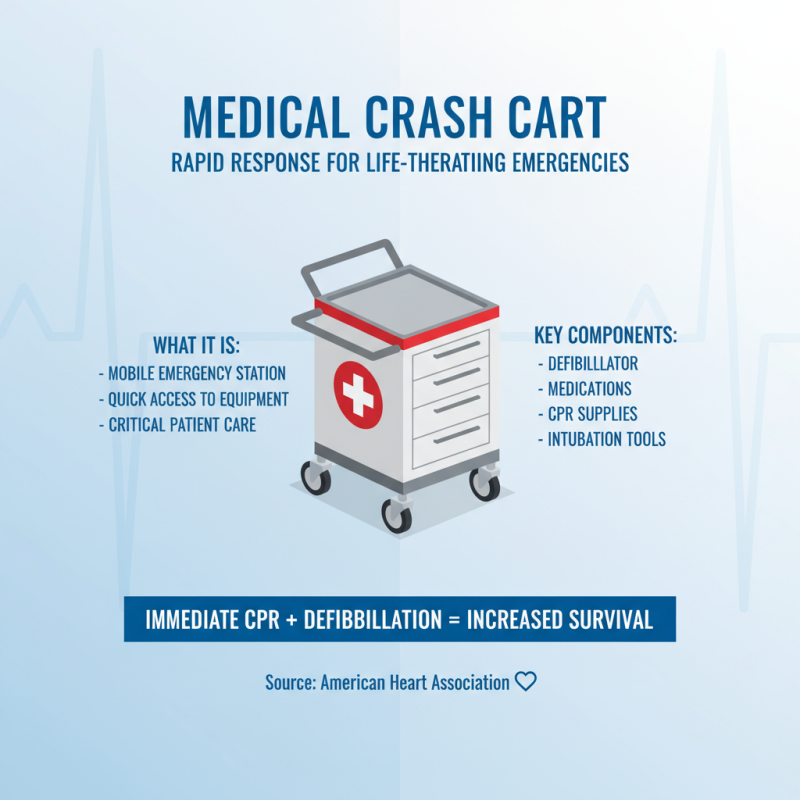
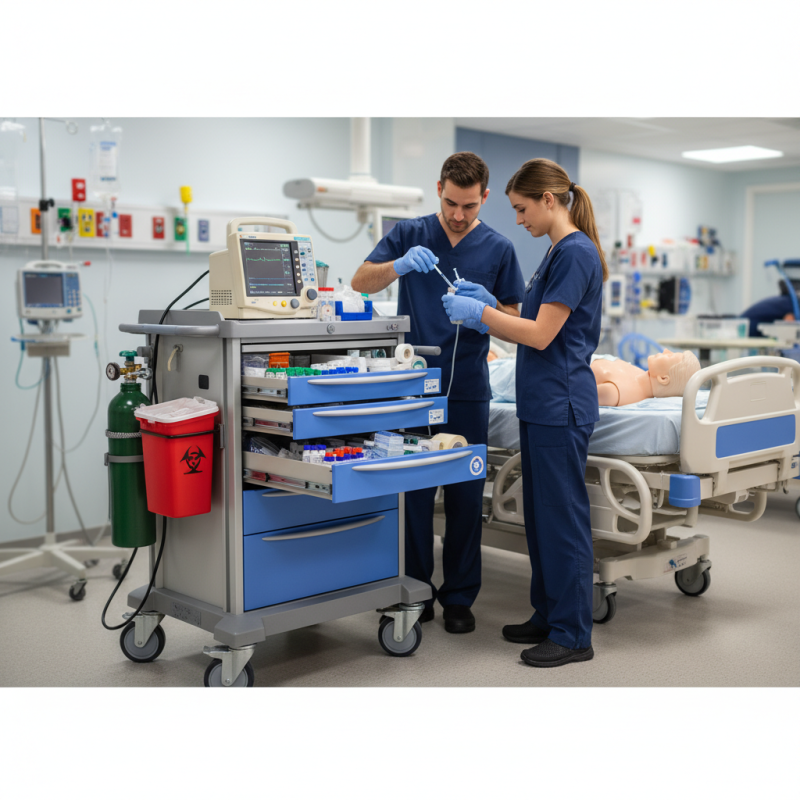
A medical crash cart is a mobile emergency equipment station designed for quick access to items needed during critical patient care situations, such as cardiac arrest. Typically found in hospitals, healthcare facilities, and emergency response units, these carts are critical in addressing life-threatening situations. According to the American Heart Association, effective and timely response in such emergencies can significantly increase survival rates, with studies indicating that immediate CPR and defibrillation can double or even triple chances of survival.
The composition of a medical crash cart usually includes essential resuscitation tools and medications. Typically, these carts are organized into compartments that house items such as defibrillators, oxygen delivery systems, airway management tools, IV supplies, and emergency medications like epinephrine and atropine. A report from the Institute for Safe Medication Practices indicates that having a standardized list of necessary items can prevent delays during emergency responses, enhancing patient outcomes. Effective deployment of these carts requires healthcare professionals to be trained not only on the equipment itself but also on the protocols dictating their use, making regular drills essential to maintaining proficiency in emergency scenarios.
History and Evolution of Crash Carts in Healthcare
The concept of crash carts has evolved significantly over the years, shaped by the increasing complexity of medical emergencies and the need for rapid response in healthcare settings. Initially, the idea of a centralized location for emergency medical supplies emerged in the mid-20th century, during a time when hospitals were beginning to recognize the importance of having immediate access to lifesaving tools and medications. Early crash carts were rudimentary, often containing basic instruments and supplies. However, as understanding of emergency care advanced, so too did the composition and design of these carts.
Throughout the years, crash carts have become more specialized and equipped with a comprehensive array of items tailored to address a variety of urgent medical situations. The introduction of standardized protocols and guidelines for emergency response played a crucial role in the evolution of crash carts. Today, modern crash carts are meticulously organized, housing everything from defibrillators and airway management tools to advanced medications that can be critical during a code blue or other emergency scenarios. This evolution reflects the healthcare industry's commitment to improving patient outcomes through preparedness and rapid intervention, ensuring that medical teams are well-equipped to save lives in critical moments.
Essential Items in a Medical Crash Cart
This chart illustrates the distribution of essential items commonly found in a medical crash cart, highlighting the various categories and their frequency based on typical inventory practices in healthcare settings.
Essential Medical Supplies Found in a Crash Cart
A medical crash cart is a critical piece of equipment in emergency situations, designed to provide immediate access to essential supplies and medications for rapid response in life-threatening conditions. Every crash cart typically contains a variety of lifesaving instruments classified into categories such as airway management, cardiac care, and intravenous therapy supplies.
Essential items found in a crash cart include advanced airway tools like endotracheal tubes and bag-valve masks, crucial for patients requiring respiratory support. Additionally, defibrillators play a vital role in treating cardiac arrest, alongside emergency medications such as epinephrine and atropine, which are essential for managing arrhythmias. According to a report from the American Heart Association, immediate access to these supplies can improve patient survival rates by up to 50% in critical care situations.
Tips for maintaining an effective crash cart include regularly auditing the inventory to ensure all items are within their expiration dates and properly stocked. Staff training on the operation of crash cart equipment can significantly enhance response times during emergencies. Regular drills should be conducted to keep personnel familiar with the layout and contents of the crash cart, emphasizing the importance of quick access in high-stress environments.
What is a Medical Crash Cart and What Essential Items Should It Contain
| Item |
Description |
Quantity |
Purpose |
| Defibrillator |
Device that delivers an electric shock to restore normal heart rhythm |
1 |
Cardiac emergencies |
| Emergency Medications |
Medications for rapid response in emergencies (e.g., epinephrine) |
Assorted |
Various emergencies |
| Airway Management Devices |
Tools to ensure patient airway is open (e.g., intubation kit) |
1 set |
Respiratory distress |
| IV Supplies |
Intravenous catheters, fluids, and administration sets |
Assorted |
Fluid resuscitation |
| Suction Device |
Device to remove obstructions from airway |
1 |
Clear airway |
| Manual Ventilator |
Hand-held device to assist patient breathing |
1 |
Respiratory support |
Common Medications Included in Crash Carts
A medical crash cart is an essential component of emergency care in hospitals, equipped with vital equipment and medications that can quickly manage critical situations. Understanding the common medications included in crash carts can significantly enhance response times during life-threatening scenarios, where every second counts. According to a study published in the Journal of Emergency Medicine, timely access to essential medications can improve survival rates in emergencies, underscoring the importance of well-stocked crash carts.
Typically, crash carts include medications such as epinephrine, atropine, and amiodarone. Epinephrine, a critical medication for cardiac arrest, works by increasing blood flow to vital organs, while atropine is commonly used in bradycardia cases to increase heart rate. Additionally, amiodarone is pivotal in treating ventricular fibrillation and tachycardia, ensuring that the heart’s rhythm can be restored promptly. The American Heart Association recommends that hospitals regularly review and update their crash cart contents to align with the latest clinical guidelines, emphasizing the need for continuous improvement and education in emergency preparedness.
Tips: To ensure your crash cart is always ready for use, conduct regular inventory checks and training sessions for staff on the medications and equipment available. Familiarizing team members with the crash cart’s layout can streamline the response process in emergencies. Furthermore, consider implementing a schedule for restocking and expiration checks on all medications to avoid any last-minute surprises during critical moments.
Maintenance and Inspection Protocols for Crash Carts
Maintenance and inspection protocols for crash carts are crucial to ensure that emergency response teams have access to the necessary medical supplies in critical situations. Regular inspections should occur on a scheduled basis, typically weekly, to verify that all items are present, properly stored, and within their expiration dates. During these inspections, health care personnel should check for any signs of wear or damage to the cart itself and its contents, ensuring that everything is functional and ready for use.
In addition to routine checks, crash carts should undergo comprehensive audits on a monthly basis. This includes restocking any used supplies and replacing outdated materials to maintain an up-to-date inventory. Training healthcare staff on proper usage and maintenance of the crash cart is also key, ensuring that everyone understands what each item is for and how to utilize it effectively during emergencies. By adhering to these maintenance and inspection protocols, healthcare facilities can significantly enhance their readiness and response times in critical care situations.