Essential Innovations in Surgical Equipment: Transforming Patient Care in 2023
In 2023, the surgical equipment industry stands at an innovative crossroads, with advancements poised to reshape patient care profoundly. According to the Global Surgical Equipment Market Report, the sector is expected to reach a valuation of $23 billion by the end of this year, reflecting a compound annual growth rate (CAGR) of 5% over the past five years. This growth is driven by technological advancements, emphasizing the importance of precision, efficiency, and enhanced patient outcomes in surgical procedures.
 Dr. Emily Tang, a leading expert in surgical technologies, highlights this critical shift: "The integration of smart surgical equipment not only improves operational efficiency but also enhances patient safety and satisfaction." Today's surgical tools are becoming increasingly sophisticated, incorporating AI, robotics, and minimally invasive technologies that allow for shorter recovery times and reduced complications. These developments are not merely incremental but represent a significant leap forward in how surgeries can be performed, making the surgical environment more adaptable to the unique needs of each patient.
As the surgical equipment landscape continues to evolve, it must be recognized that the ultimate goal remains the transformation of patient care. Understanding these innovations will be key for healthcare professionals as they navigate the complexities of modern surgical practices while ensuring the highest standards of care for their patients.
Revolutionary Minimally Invasive Surgical Tools to Enhance Recovery Times
In 2023, the landscape of surgical procedures is being dramatically transformed by the advent of revolutionary minimally invasive surgical tools. These innovations are not only enhancing surgical precision but are also drastically reducing recovery times, offering patients newfound hope for quicker rehabilitations. According to a recent report from the National Institutes of Health, minimally invasive surgeries have led to a 30% reduction in average hospital stay duration compared to traditional open surgeries. This is a significant advancement, allowing patients to resume their daily activities much faster.
Surgeons are now utilizing cutting-edge tools such as robotic-assisted devices and advanced laparoscopic instruments, which enable flawless maneuvers with minimal incisions. A study published in the Journal of Surgical Research found that patients undergoing robotic-assisted surgeries experienced a 25% decrease in postoperative pain, further fast-tracking their recovery process. Surgeons are also able to operate with enhanced visualization and precision, which drastically reduces trauma to surrounding tissues.
**Tips for Patients:** When preparing for a minimally invasive procedure, discuss with your surgeon the specific techniques and tools that will be used. Understanding the technology and its benefits can significantly ease any concerns you may have. Additionally, focus on postoperative care, as following recovery guidelines can optimize healing times and improve outcomes.

Advanced Imaging Technologies Transforming Surgical Precision
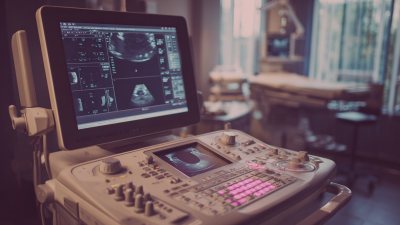
In 2023, advanced imaging technologies have emerged as a cornerstone of surgical precision, reshaping the landscape of patient care. According to a recent industry report by MarketsandMarkets, the global surgical imaging market is projected to reach USD 10.37 billion by 2026, growing at a compound annual growth rate (CAGR) of 5.9% from 2021. This surge is largely attributed to innovations such as intraoperative imaging systems that provide real-time visualization, significantly enhancing the surgeon’s ability to make informed decisions during procedures.
Techniques like augmented reality (AR) and 3D imaging are now not only improving precision but also reducing the time taken for surgeries. Research published in the Journal of Surgical Research shows that the use of 3D imaging in preoperative planning leads to a 30% reduction in surgery duration, minimizing patient recovery time and improving outcomes. Moreover, integration of AI-driven imaging solutions is expected to boost diagnostic accuracy, with estimates suggesting a potential reduction of surgical complications by up to 25%, thus transforming overall patient care quality in surgical settings.
Essential Innovations in Surgical Equipment: Transforming Patient Care in 2023 - Advanced Imaging Technologies Transforming Surgical Precision
| Innovation |
Description |
Impact on Surgery |
Year Introduced |
| 3D Visualization Systems |
Advanced imaging that provides three-dimensional views of anatomy. |
Enhances surgical precision and reduces errors. |
2023 |
| Augmented Reality (AR) in Surgery |
Integration of AR to overlay critical information during procedures. |
Improves decision-making and visualization of complex anatomy. |
2023 |
| AI-Assisted Imaging |
Artificial Intelligence algorithms for analyzing imaging data. |
Speeds up diagnosis and enhances treatment planning. |
2023 |
| Robotic Surgical Systems |
Robotic arms controlled by surgeons for minimally invasive procedures. |
Increases dexterity and allows for smaller incisions. |
2023 |
| Smart Surgical Instruments |
Instruments equipped with sensors for real-time feedback. |
Enhances safety and improves outcomes by providing alerts. |
2023 |
Robotic-Assisted Surgery: Redefining Human-Machine Collaboration
Robotic-assisted surgery is revolutionizing the landscape of patient care, showcasing the powerful collaboration between human surgeons and advanced robotic systems. As highlighted by recent advancements, such as the use of the ROSA Robotic Arm in neurosurgery, these technologies not only increase the precision of surgical procedures but also enhance the overall safety of operations. A recent report indicates that the global surgical robotics market is projected to grow significantly, with key trends pointing toward improved human-robot collaboration and advanced automation that are transforming medical practices worldwide.
Tips for maximizing the benefits of robotic-assisted surgery include ensuring thorough pre-operative planning and utilizing data-powered decision-making tools. Surgeons are advised to engage in continuous training to stay current with evolving robotic technologies, as well as to foster communication between the human and machine components during procedures to enhance outcomes. As the robotics field continues to innovate, especially in neurovascular interventions, partnerships among technology companies and healthcare providers will play a critical role in driving advancements that lead to safer, faster surgical interventions.
The integration of AI into robotic systems is paving the way for a new era of precision medicine. Reports suggest that by 2030, robots will significantly reduce the incidence of surgical errors, underscoring their potential in optimizing patient care. Embracing these innovations will be key for healthcare professionals looking to stay at the forefront of surgical excellence.

Smart Surgical Instruments: Integrating AI for Improved Outcomes
The integration of artificial intelligence (AI) into smart surgical instruments is revolutionizing the landscape of patient care in 2023. According to a recent report by MarketsandMarkets, the global surgical instruments market is projected to reach $23 billion by 2025, fueled by technological advancements and the increasing demand for minimally invasive procedures. AI-powered surgical instruments enhance precision and efficiency, enabling surgeons to perform complex operations with greater accuracy while reducing recovery times for patients.
AI capabilities in surgical tools allow for real-time data analysis and decision support. For example, advanced imaging techniques combined with machine learning algorithms can assist surgeons in identifying structures and potential complications during procedures. A study published in the Journal of Robotic Surgery indicates that integrating AI in robotics has led to a 30% reduction in surgical errors and a 40% decrease in operation time. This reflects a significant shift toward improved patient outcomes and safety standards.
**Tips:** When considering the adoption of AI-enabled surgical instruments, healthcare facilities should evaluate the training needs of their surgical teams to ensure they are proficient in utilizing these advanced technologies. Additionally, it’s crucial to stay updated on emerging innovations and regulatory requirements that could impact the implementation of smart surgical solutions in everyday practice. Embracing these technologies not only elevates surgical performance but also enhances patient trust and satisfaction.
Innovative Sterilization Techniques Ensuring Patient Safety and Efficiency
The advancements in sterilization techniques in 2023 have significantly transformed patient care, emphasizing safety and operational efficiency in healthcare facilities. The shift towards technologically advanced methods ensures that surgical instruments and environments are not only cleaned but are also monitored for effectiveness. This proactive approach reduces the risks of infection, enhancing overall patient outcomes.
One of the key innovations is the integration of automation in sterilization processes. Automated systems minimize human error and ensure consistent results, allowing healthcare professionals to focus more on patient care rather than procedural details. As the U.S. sterilization monitoring market is projected to grow significantly, the emphasis on high-level disinfection in all healthcare settings remains critical.
Tips for Healthcare Facilities:
- Implement regular training programs for staff on the latest sterilization technologies to maintain high safety standards.
- Invest in automated sterilization systems that provide real-time monitoring and documentation of the sterilization process to ensure compliance and traceability.
- Stay updated on multisociety guidelines for sterilization and high-level disinfection to enhance understanding and adherence to best practices in patient safety.