Why Is Hospital Furniture Essential for Patient Care and Comfort?
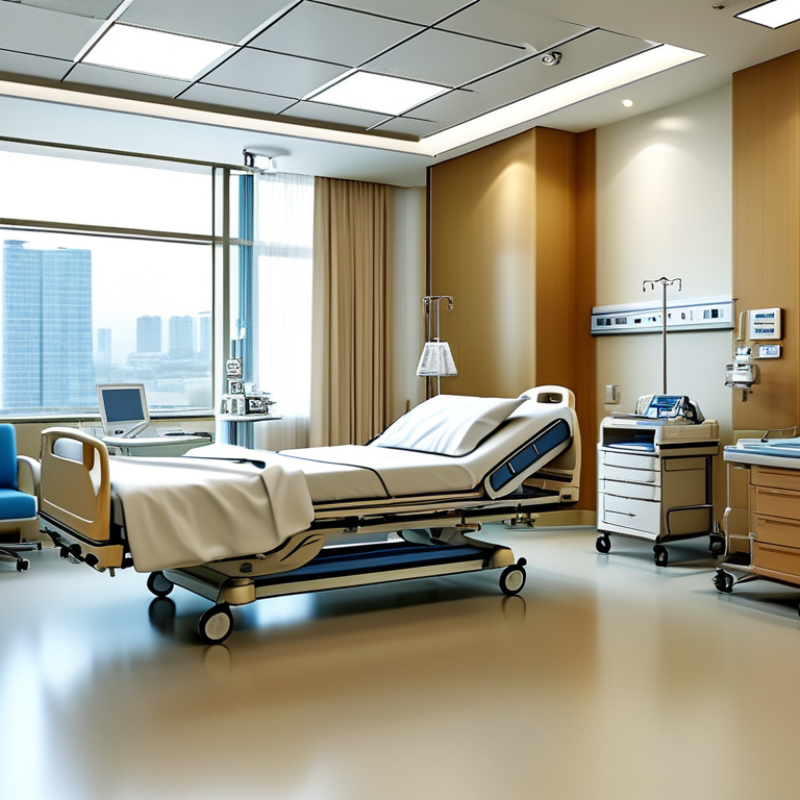
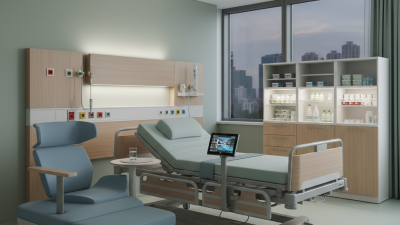
Hospital furniture plays a crucial role in patient care and comfort. Its design and functionality can significantly impact recovery outcomes. Comfortable beds, chairs, and other essential items create a healing environment. Patients experience less stress when they feel physically at ease.
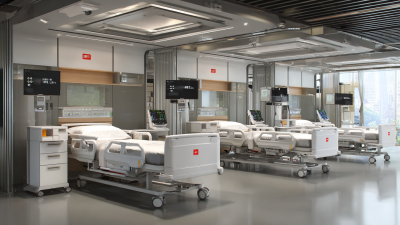
Quality hospital furniture supports both patients and healthcare professionals. It allows for easier movement during examinations and treatments. Proper storage for medical supplies is vital. Well-organized spaces facilitate efficient care delivery, ensuring that medical staff can respond quickly to patient needs.
However, not all hospital furniture meets these standards. Some facilities may still use outdated or inadequate furnishings. This can hinder patient comfort and recovery. It is essential for hospitals to invest in modern, ergonomic furniture. Doing so enhances the overall healthcare experience for everyone involved.
Importance of Hospital Furniture in Enhancing Patient Experience
Hospital furniture plays a crucial role in patient care and comfort, directly influencing the overall patient experience. Studies indicate that a well-designed environment can improve patient recovery rates. According to a report by the World Health Organization, hospitals with patient-centered furniture saw a 30% increase in satisfaction ratings. Comfort is essential, as patients who feel at ease are more likely to comply with treatment plans.
The layout of hospital furniture impacts workflow and efficiency. For instance, proper ergonomic chairs and beds can reduce strain on both patients and healthcare providers. Data from the Center for Health Design highlights that hospitals that prioritize functional furniture design can lower the incidence of medical errors by 25%. However, not all facilities have embraced these improvements. Some continue to use outdated or uncomfortable furniture, which can lead to higher stress levels for patients.
Accessibility is another critical aspect. Furniture should accommodate patients with varying needs. Safety features are also important, as they prevent falls and accidents. A survey found that 40% of patients reported discomfort in traditional hospital beds. These insights underline the necessity of investing in appropriate hospital furniture to enhance the care experience for patients.
Key Features of Comfortable Hospital Beds and Seating
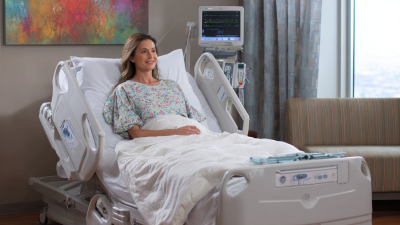
Comfortable hospital beds and seating play a vital role in patient care. These pieces of furniture must provide both physical support and psychological comfort. A well-designed hospital bed often includes adjustable features. Patients can elevate their heads or legs to find a comfortable position. Such adjustments can reduce pain and promote better circulation.
Regarding seating, ergonomic design is key. Chairs should support proper posture while being easy to clean. Families often spend long hours in waiting areas. Comfortable seating can ease their stress during tough times. Focusing on flexibility, some hospital furniture even accommodates different body types. This allows for a more inclusive environment.
While many hospitals strive for comfort, missteps can occur. In some cases, budget constraints lead to poor quality furniture. This can detract from the patient experience. A lack of attention to comfort can result in unrest and dissatisfaction. It’s crucial for healthcare facilities to reflect on their choices in furniture design. Poor decisions can lead to unnecessary discomfort and longer recovery times.
Role of Ergonomic Design in Hospital Furniture for Patient Care
In the realm of healthcare, the design of hospital furniture plays a pivotal role in enhancing patient care. Ergonomic design focuses on comfort and functionality. According to a study published by the International Journal of Healthcare Engineering, well-designed hospital furniture can reduce patient pain by up to 30%. This is significant, considering that comfort directly influences recovery rates.
Proper ergonomic seating and bedding help minimize strain on the body. For instance, adjustable beds that can be tailored to individual needs often lead to improved patient satisfaction. A report by the American Hospital Association indicates that hospitals with ergonomic furniture see a notable increase in patient engagement and faster rehabilitation times. However, this does not come without challenges. Budget constraints often hinder the acquisition of high-quality ergonomic options, leading to uncomfortable experiences for some patients.
Moreover, staff efficiency is also impacted by furniture design. When healthcare providers have access to well-designed equipment, they can perform tasks more effectively. A report by the National Institute of Health points out that up to 70% of staff report feeling fatigued due to inappropriate furniture design. This not only affects their performance but may also indirectly affect patient care. Balancing cost and ergonomic necessities is an ongoing challenge in many healthcare facilities.
Importance of Ergonomic Hospital Furniture Design for Patient Care and Comfort
Impact of Quality Furniture on Recovery and Healing Process
Quality hospital furniture plays a vital role in the recovery and healing process of patients. Comfortable beds, supportive chairs, and adequate storage can greatly influence a patient’s experience. When patients feel at ease, their stress levels decrease. This creates a calming environment, essential for healing.
Investing in high-quality furniture helps improve patient mobility. For example, adjustable beds facilitate movement and accessibility. Patients can adjust their position for comfort and encouragement to participate in their care. This proactive approach can speed up recovery times, making a significant difference in outcomes.
However, it is important to reflect on the furniture's design and functionality. The choice of materials, for instance, can impact hygiene and maintenance. Furniture that is difficult to clean may harbor germs, negating its benefits. Facilities should prioritize not just aesthetics but also practicality in their selections. Thoughtful integration of quality furniture can empower patients and enhance their overall hospital experiences.
Why Is Hospital Furniture Essential for Patient Care and Comfort?
| Furniture Type |
Material Quality |
Impact on Comfort |
Influence on Recovery |
| Hospital Bed |
High-Density Foam |
Enhances Restfulness |
Promotes Better Sleep and Recovery |
| Patient Chair |
Premium Upholstery |
Increases Mobility and Support |
Encourages Patient Engagement |
| Overbed Table |
Durable Laminate |
Provides Convenience |
Facilitates Eating and Activities |
| Visitor Chairs |
Comfort Foam |
Enhances Comfort for Visitors |
Supports Emotional Wellbeing |
| Treatment Cart |
Stainless Steel |
Ensures Hygiene and Safety |
Supports Effective Care Delivery |
Integration of Technology in Modern Hospital Furniture Solutions
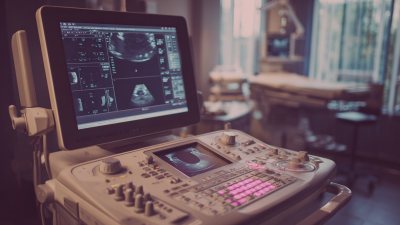
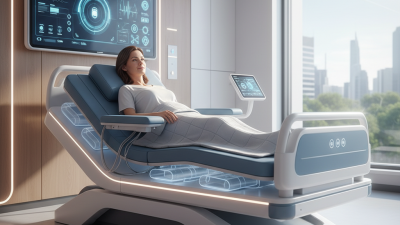
Modern hospital furniture plays a vital role in enhancing patient care by integrating advanced technology. Reports indicate that over 70% of healthcare professionals recognize the impact of ergonomic designs on patient outcomes. Appropriate furniture reduces discomfort, promotes mobility, and aids recovery. For example, adjustable beds equipped with sensors can monitor vital signs, ensuring timely interventions.
Technology in patient care furniture goes beyond functionality. Interactive surfaces, for instance, engage patients and encourage participation in their treatment plans. This involvement can lead to better health outcomes. Studies show that patients who feel more in control of their care often experience reduced anxiety and improved satisfaction.
When selecting hospital furnishings, consider the dual purpose of comfort and technology. Look for items that are easy to clean and maintain. Regularly assess the furniture for wear and tear to ensure safety. Involving staff in the selection process can provide insights into practical needs and preferences. Do not overlook the importance of aesthetics; a pleasing environment aids recovery.