What is a Dental Hand Drill and How Does it Work?
A Dental Hand Drill is an essential tool in modern dentistry. It plays a crucial role in cavity preparation and dental surgeries. This instrument is designed to efficiently remove decayed material from teeth. Its precision ensures minimal discomfort for patients. The drill operates at high speeds, allowing for quick and effective treatment.
Dental professionals rely on the Dental Hand Drill for various procedures. The drill enables them to access hard-to-reach areas. It provides the necessary control to perform intricate tasks. However, using this tool requires a steady hand and experience. Mastery of the Dental Hand Drill is fundamental for any dental practitioner. Proper technique makes a significant difference in patient outcomes.
The effectiveness of a Dental Hand Drill depends on its maintenance and care. Regular checks are vital to ensure optimal performance. Dentists must remain up-to-date with advancements in technology. Each development can enhance the efficiency of these drills. Nevertheless, there is always room for improvement and learning. Understanding the limitations is equally important. This reflection can lead to better practices in dental care.
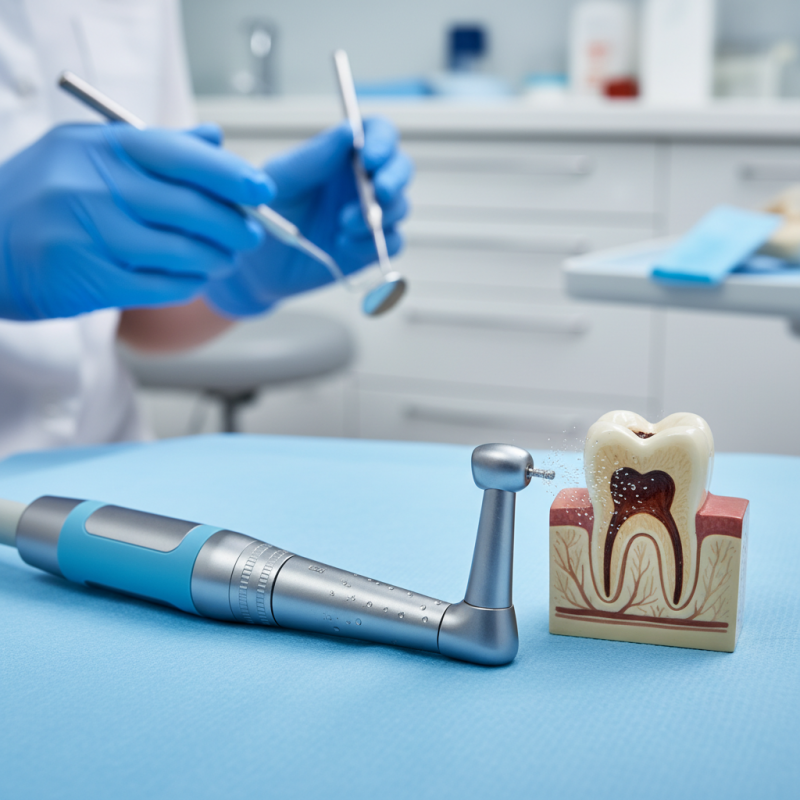
What is a Dental Hand Drill?
A dental hand drill is a critical tool used in dentistry. It serves to remove decay and prepare a tooth for filling. This hand-operated device is simple yet effective. It consists of a rotating bur, which is a small drill bit. When activated, it rapidly spins to cut through enamel and dentin.
Using a dental hand drill requires precision. Dentists are trained to control the speed and pressure. This ensures that only damaged tissue is removed. Proper technique is essential to prevent unnecessary pain or tooth damage.
Tip: Patients should communicate with their dentist during treatment. If discomfort is felt, let the dentist know immediately.
The design of hand drills has evolved. Traditionally, they were operated manually. Today, many use electric motors, offering more control. However, some practitioners still prefer the classic hand drill for certain procedures.
Tip: If dental anxiety is a concern, consider relaxation techniques. Deep breathing can help you stay calm during your appointment.
Components of a Dental Hand Drill
A dental hand drill is crucial for various dental procedures. Understanding its components helps in grasping how it functions effectively. The drill typically includes three main parts: the handle, the motor, and the drill bit.
The handle is ergonomically designed for a firm grip. This allows dentists to maneuver precisely during procedures. Inside the handle, a motor powers the rotation of the drill bit. The motor may vary in speed, allowing for versatility depending on the task. The drill bit is critical as it comes in different shapes and sizes. Selection depends on the procedure, whether for removing decay or preparing a tooth for a filling.
While the design seems straightforward, operational imperfections can arise. Overheating is a common issue, especially with prolonged use. It's essential for dental professionals to monitor their tools. Neglect can lead to compromised performance or patient discomfort. Adopting best practices in maintenance ensures reliability and extends the lifespan of the drill.
What is a Dental Hand Drill and How Does it Work? - Components of a Dental Hand Drill
| Component | Description |
| Handpiece | The main body of the dental hand drill that is held by the dentist to perform the drilling. |
| Bur | A rotating cutting tool used with the handpiece to remove decay and shape the tooth. |
| Motor | The component that powers the rotation of the bur, either electric or air-driven. |
| Foot Pedal | Used to control the speed and operation of the handpiece during procedures. |
| Cooling System | A mechanism that minimizes heat generated during drilling, often using air or water spray. |
Mechanism of Operation: How It Works
A dental hand drill is a crucial tool in modern dentistry. It operates using a simple yet effective mechanism. The drill consists of a rotating bur, which is a small tool made from hard metal. This bur rotates at high speeds, allowing it to cut through tooth enamel and other dental materials.
When a dentist uses the hand drill, they apply it directly to the tooth needing treatment. The force generated by the drill is significant, but it is controlled for precision. The speed varies based on the procedure. For instance, a higher speed might be used for cutting, while slower speeds are better for polishing. Despite its effectiveness, the drill can create discomfort for patients.
The learning curve for mastering the hand drill is steep. It's vital for dental professionals to develop a steady hand and honed skills. Many dentists report that managing patient anxiety around the drill is as important as using the tool itself. Ensuring comfort while operating a dental hand drill requires both experience and tact.
Applications in Dentistry
A dental hand drill is a crucial tool in modern dentistry. It is used primarily for removing decay and preparing cavities for fillings. The hand drill operates by rotating a small bur at high speeds. This action efficiently cuts through tooth structure, allowing dentists to access the affected area. Dentists rely on this tool for its precision and control.
In terms of applications, dental hand drills serve diverse purposes. They can be used for cosmetic procedures, such as tooth reshaping. They are also vital during root canal treatments to remove infected pulp. Their versatility means they can adapt to various treatment needs. However, using a hand drill requires experience and skill. Overuse can lead to discomfort for patients. Dentists must be mindful of the pressure applied during procedures. Proper training is essential for ensuring patient safety and comfort.
Despite advancements in dental technology, hand drills remain a fundamental tool. Each procedure can still present challenges. Dentists must constantly evaluate their technique. The goal is to ensure effective treatment while minimizing discomfort. Balancing speed and safety is an ongoing learning process in dental practice.
Maintenance and Safety Practices for Dental Hand Drills
Dental hand drills are essential tools in dentistry, yet their maintenance is often overlooked. Regular care extends their lifespan and ensures patient safety. Following established protocols is crucial. A study from the American Dental Association shows that proper maintenance can reduce operational failures by 20%. This statistic highlights the importance of consistent checks on hand drills.
To keep dental hand drills in top condition, you should clean them daily after each patient. Use a disinfectant approved for dental tools. Additionally, lubricate the handpiece weekly to prevent friction and overheating during procedures. Failing to follow these tips may lead to decreased performance.
It's also vital to periodically inspect your drills for wear and tear. Look for any dents or signs of corrosion. A damaged drill not only risks patient safety but also compromises the quality of work. Ensure that all staff members are trained in maintenance practices. Keeping a detailed log of inspections can help identify recurring issues. Regular training can minimize mistakes and enhance overall practice reliability.