How to Choose the Best Shilajit Extract in 2026?
Choosing the best Shilajit Extract in 2026 takes more than comparing bold claims or glossy labels. The material’s origin, purification process, and test results matter. A reliable product should clearly identify its form and ingredients, provide a batch-specific certificate of analysis, and show testing for heavy metals and microbial contamination. Look for named testing standards or an independent laboratory, not just a vague “lab tested” badge. Small details count. A readable label is a good start.
This guide explains how to assess those details and compare capsules, powders, and resin without treating them as interchangeable. It also considers serving information, packaging, and whether the seller explains how the extract is made. Evidence for many advertised benefits remains limited, and product quality can vary. That deserves a pause. No supplement can replace diagnosis or established care, and people who are pregnant, managing a health condition, or taking medication should ask a qualified healthcare professional before use. Even a polished certificate has limits: it reflects a particular sample and test, not every claim on a website. The aim is not to promise results. It is to help readers ask better questions, notice missing information, and make a more careful choice in 2026.
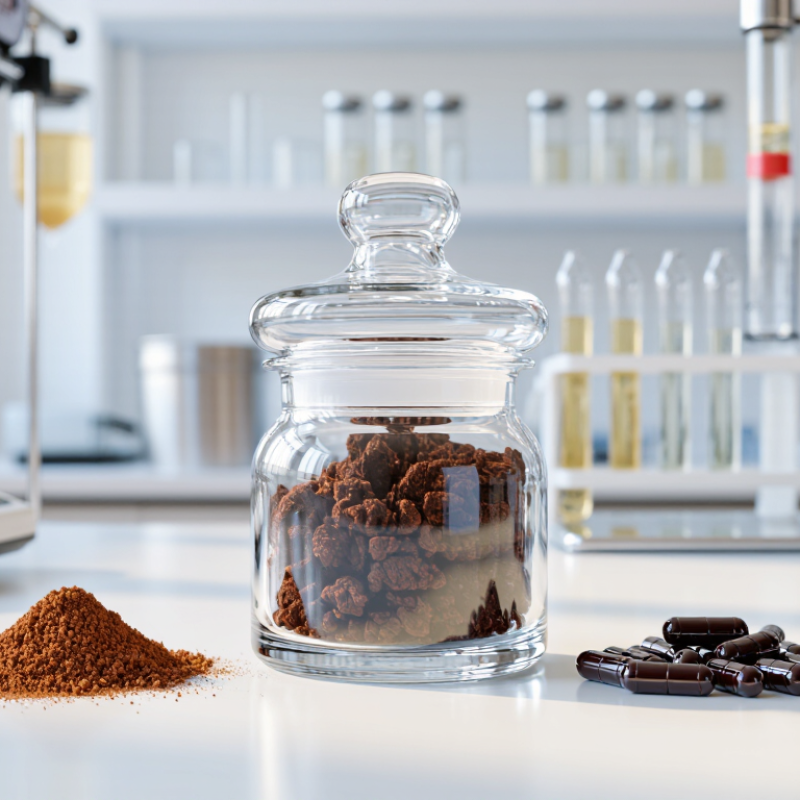
What Shilajit Extract Is and How It Is Made
Shilajit is a dark, mineral-rich material that seeps from cracks in mountainous rock. It is not a single compound: its composition can include humic substances, fulvic acids, minerals, and other organic compounds. The mix varies with geology and collection site. Raw material may contain grit or unwanted contaminants, so appearance alone cannot establish quality. A 2024 Council for Responsible Nutrition survey reported that 75% of U.S. adults use dietary supplements, underscoring why clear ingredient and quality information matters.
To make an extract, processors commonly dissolve the raw material in water, filter out insoluble particles, and concentrate the liquid. They may then dry it into powder or retain it as a resin. Methods and temperatures differ, and labels do not always explain them well. A useful certificate of analysis should identify the tested batch and report results for heavy metals and microbial contaminants, alongside the extract’s composition. The awkward truth: “purified” is not a uniform measure of purity.
Tips: Check for batch-specific test results, the extraction method, and a clearly stated ingredient list. Be cautious of dramatic health claims. A glossy resin proves little.
Which Shilajit Extract Forms and Ingredients to Compare
Shilajit extract comes in resin, powder, and capsule forms, and each suits a different routine. Resin is sticky and usually needs careful measuring; a pea-sized portion can cling to a spoon. It often dissolves in warm water, though the taste can be strong. Powder is easier to blend into a drink, but check whether it is pure extract or mixed with fillers. Capsules offer convenience. Read the amount per serving, not just the number of capsules.
Compare ingredient panels closely. A short list may make it easier to see what you are taking. Look for the extract amount and any added sweeteners, herbs, or flow agents. Fulvic acid is often highlighted, but its percentage alone does not prove purity or effectiveness. Be cautious with impressive-sounding claims. They may leave out useful details.
Quality checks matter more than a polished label. Look for recent, independent testing that reports heavy metals and microbial contaminants, and check whether the results match the specific batch. If a seller provides no clear testing information, that is a reason to pause. Product labels can be oddly vague, and even careful shoppers may find comparisons frustrating. Consider your preferences, allergies, and health conditions; ask a qualified clinician before use if you take medication or have a medical concern.
How to Assess Purity, Potency, and Third-Party Testing
Choosing a shilajit extract starts with evidence, not a dramatic label. Purity should be documented for the finished batch, since raw-material results may not describe the jar you buy. Look for a dated certificate of analysis (COA) that names the tested lot and identifies the laboratory. It should report heavy metals, microbial contamination, and relevant processing residues, with test methods and limits stated. A clean-looking powder proves little. Details matter.
Potency is less straightforward. Check whether the label gives measurable amounts, such as fulvic acids, and whether the COA reports how they were measured. A high percentage is not automatically better, especially when testing methods differ. Third-party testing is meaningful only when the lab is independent and the report matches the product’s batch. If a seller provides only a generic report, ask for the current one. That is useful. One limitation is easy to miss: even careful testing cannot prove every health claim or predict how a supplement will affect an individual. I would treat vague “purified” language cautiously and compare the documentation, not just the number on the front label.
How to Choose the Best Shilajit Extract in 2026?
Assess purity, potency, and third-party testing with a batch-specific certificate of analysis (COA).
These are suggested checklist weights, not laboratory results or a clinical standard. Look for a COA tied to the product’s batch, issued by an independent laboratory—preferably accredited to ISO/IEC 17025—and covering identity, heavy metals, and microbial contaminants. For potency claims, check that the reported measure and test method are stated; no single shilajit potency measure establishes clinical effectiveness.
How to Match an Extract to Your Needs and Budget
How to Choose the Best Shilajit Extract in 2026?
How to Match an Extract to Your Needs and Budget
Start with your reason for buying, then compare products on the same terms. A resin may suit someone who prefers mixing a pea-sized portion into warm water. Capsules offer simpler, measured servings. Neither format proves better quality. Check whether the label states the amount per serving and identifies the extract type. “High strength” is vague without numbers. The Council for Responsible Nutrition’s 2024 survey found that 75% of U.S. adults use dietary supplements, but that figure does not establish shilajit’s benefits or product quality.
Set your budget around verification, not dramatic claims. Look for a recent, batch-specific certificate of analysis from an independent laboratory. It should identify the tested sample and report results for contaminants such as lead, arsenic, and microbes. Check whether the test method and laboratory are named. A generic quality badge may not tell you what was tested. The FDA does not approve dietary supplements for safety and effectiveness before they reach the market, so label checks matter. Evidence for specific shilajit benefits remains limited; match expectations to the research, not marketing.
Tips: Compare cost per serving, not just bottle price. Keep the certificate and lot number. If testing details are missing, pause before paying more. A cheaper option can be reasonable, but I would not trade traceable testing for a larger promise.
What Safety Checks to Make Before Choosing a Product
Before choosing a shilajit extract, check for a batch-specific certificate of analysis, not just a general quality claim. The report should match the lot number on the bottle and show testing for lead, arsenic, mercury, and cadmium. It should also cover microbial contamination and confirm the material’s identity. A familiar-looking label is not proof.
Look for testing by an independent laboratory with relevant accreditation, such as ISO/IEC 17025. Check the report date, methods, and measured results; vague phrases like “passed” reveal little. The label should state the amount per serving and list all ingredients. Avoid products that hide the extract’s source or offer no clear purification information. Raw appearance alone cannot tell you whether a product is safe.
Consider your own health, too. Shilajit may not suit everyone, and supplement quality can vary between batches. Ask a qualified healthcare professional before use if you take medication, have a health condition, or are pregnant or breastfeeding. Even careful checks have limits. A certificate can reduce uncertainty, but it cannot guarantee that a supplement is right for you.
