Chat with us, powered by LiveChat

How to Choose Surgical Dressing Pads for Wound Care?

Choosing Surgical Dressing Pads is not just a matter of picking the thickest pad on the shelf. The right option depends on the wound’s size, location, drainage, and surrounding skin. A small incision with light drainage may need a different level of absorption than a larger wound that produces more fluid. Small details matter.

Material and construction also affect comfort and protection. Some pads have a non-adherent contact surface, which may help reduce sticking during removal. Others are designed to absorb more fluid or work with a separate fixation method. Check whether the product is sterile, how it should be secured, and whether its instructions suit the intended use. Fit matters, too. A pad that is too small may leave the wound exposed, while an oversized one can wrinkle near joints or under clothing.

This guide explains the main features to compare when selecting Surgical Dressing Pads, including absorbency, size, layers, and skin sensitivity. It also considers practical questions, such as how often a dressing may need changing and whether the wound requires professional assessment. Product descriptions can be useful, but they cannot evaluate a wound. Real wounds are less tidy than product charts suggest. If drainage increases, pain worsens, or the wound shows signs of infection, seek advice from a qualified healthcare professional. No single pad is right for every situation, and choosing one can still involve some uncertainty.
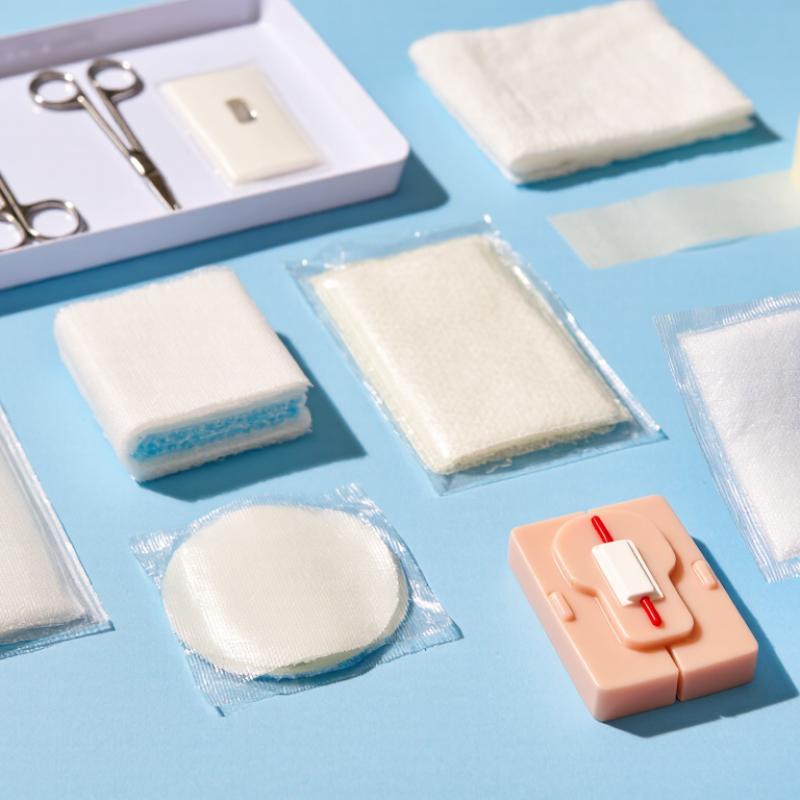
How to Choose Surgical Dressing Pads for Wound Care?

Assess Incision Type, Healing Stage, and Exudate Level

Choosing a surgical dressing pad starts with the incision and the care plan from the surgical team. A clean, closed incision may need a light protective pad, while a wound with more drainage may require greater absorbency. Incisions near joints can shift under tape, so fit and gentle securement matter. Do not cover drains or apply products the care team has not approved.

Healing stage changes what the wound needs. Early on, a pad may protect the incision from friction and absorb small amounts of fluid. As healing progresses, drainage often decreases, but timing varies. Check the pad when instructed: note whether fluid is clear, blood-tinged, or increasing. A sudden change, worsening redness, warmth, fever, or growing pain deserves prompt medical advice. It is easy to overfocus on the pad and miss changes around the wound.

Tips: Match absorbency to the amount of exudate, not just the incision’s size. A damp pad may need changing sooner; a dry pad stuck to the wound may need clinician-approved removal guidance. Keep supplies clean, and wash your hands before and after dressing changes. If the wound looks different than expected, ask the surgical team rather than guessing.

Match Pad Absorbency to Drainage and Protect Periwound Skin

How to Choose Surgical Dressing Pads for Wound Care?

Match Pad Absorbency to Drainage and Protect Periwound Skin

A surgical dressing pad should match the wound’s drainage, not just its size. For light drainage, a thin absorbent pad may be enough. Moderate or heavy drainage may need a more absorbent option, changed as directed by a healthcare professional. If fluid leaks through or collects beneath the pad, it may be too small or insufficiently absorbent. That detail is easy to miss.

Tips: Check the pad regularly. Replace it if it becomes wet, soiled, or loose, following the care instructions you were given. Keep supplies clean, and wash your hands before and after dressing changes.

Protect the skin around the wound, too. Moisture trapped under a dressing can leave nearby skin pale, soft, or irritated. A properly sized pad should cover the wound without rubbing or sticking to surrounding skin. I would not assume that a larger pad is always safer; excess coverage can make it harder to notice skin changes. Follow your clinician’s instructions, especially after surgery. Seek medical advice for spreading redness, increasing pain, fever, or unusual drainage.

Select Sterile, Nonadherent Materials; CDC Estimates SSI at 2–4%

How to Choose Surgical Dressing Pads for Wound Care?

Surgical site infections (SSIs) can complicate recovery, so dressing choice deserves care. The CDC estimates that SSIs affect about 2–4% of patients after surgery. A dressing pad cannot prevent every infection, but suitable materials and clean handling support good wound care. Choose a sterile pad for fresh surgical wounds, and check that its packaging is sealed and intact. Discard it if the wrapper is wet, torn, or past its expiration date.

Nonadherent contact layers can reduce sticking to the wound, which may make removal less painful and protect fragile tissue. The outer layer should absorb drainage without leaving the wound overly damp. Fit matters. A pad that is too small may expose the incision; one that is too bulky can shift under clothing. Follow the clinician’s instructions, especially if drainage increases, the wound opens, or redness and warmth spread. These changes need medical review.

Tips: Wash hands before and after dressing changes, and avoid touching the surface that will contact the wound. Use a fresh pad each time. Do not reuse one, even if it appears clean. Match the pad to the wound’s drainage and the care plan; a single “best” dressing does not suit every incision. I still find pad selection easy to overthink, but sterility, gentle removal, and regular checks are practical priorities.

Surgical Site Infections (SSI): CDC Estimate

CDC estimates that SSIs occur in approximately 2–4% of patients undergoing inpatient surgical procedures. For wound care, choose sterile dressing pads with nonadherent materials when appropriate, and follow clinical guidance for dressing selection and changes.

Source: CDC, Surgical Site Infection (SSI) Prevention.

Size and Secure the Pad Without Restricting Movement or Hiding the Incision

Choose a pad that covers the incision and extends slightly onto clean, dry skin. A small margin helps absorb drainage and keeps the pad from shifting. Avoid a pad so large that it covers nearby skin you need to inspect. The incision should remain protected, but its edges and surrounding skin should still be easy to check when the dressing is changed. Follow the clinician’s instructions if they specify a particular dressing or coverage area.

Secure the pad with medical tape or the method recommended by the care team. Keep the fastening flat and snug, not tight. Skin should not wrinkle sharply beneath the tape, and a nearby joint should bend comfortably. Keep it simple. After securing the pad, move gently through the usual range of motion and check that the dressing stays in place without pulling. If the skin feels numb, looks unusually pale, or becomes increasingly irritated, loosen the fastening and seek clinical advice. It can be tempting to add more tape for reassurance, but extra layers may tug at skin or make inspection harder. Change the dressing as directed, and ask a healthcare professional if drainage, pain, or redness is increasing.

How to Choose Surgical Dressing Pads for Wound Care? - Size and Secure the Pad Without Restricting Movement or Hiding the Incision

Use this practical guide to compare pad coverage and fixation options. The examples are general; follow the treating clinician’s instructions, especially for fresh incisions, heavy drainage, or signs of infection.

Incision or care situation Illustrative pad size Coverage and absorbency Possible fixation approach Movement and visibility check
Short, dry incision on a relatively flat area About 5 × 7.5 cm Choose a pad that covers the incision and a small margin of surrounding skin; a low-bulk absorbent layer may be sufficient if directed. Use skin-friendly tape on intact skin or a suitable bordered dressing, if approved for the patient. Keep the incision area accessible for inspection when required. Check that tape does not pull when the nearby joint moves.
Longer incision on the trunk or limb About 10 × 20 cm, or a size that covers the full incision Select a pad long and wide enough to protect the incision without excessive overlap; use absorbency suited to the amount of drainage. Secure with several short strips of tape or an appropriate retention method rather than tightly wrapping the area. Avoid circumferential wrapping that feels tight or affects circulation. Keep the incision’s position identifiable for checks.
Incision near a joint or a frequently bending area Smallest size that fully covers the incision; often around 5 × 7.5 cm or 10 × 10 cm Prefer a flexible, low-profile dressing that does not bunch over the incision during bending. Place fixation on intact skin and avoid stretching the tape tightly across a crease. Test comfortable bending and straightening. Reposition if the pad shifts, wrinkles, or restricts movement.
Curved or difficult-to-secure body area Choose a shape and size that follows the contour while covering the incision A conformable pad or dressing may reduce edge lifting; avoid folds that create pressure points. Use an appropriate retention net or clinician-approved fixation method if adhesive is unsuitable. Check the edges after changing position. Do not cover the area with a tight bandage or obscure it when inspection is needed.
Incision with light to moderate drainage Size the pad to cover the incision and contain expected drainage Use an absorbent dressing appropriate to the clinician’s plan; replace it if saturated, loose, or soiled. Secure all edges without compressing the wound or surrounding limb. Check for leakage and skin irritation. Increasing drainage or a sudden change should be discussed with a healthcare professional.

Sizing tip: Measure the incision and select a pad that fully covers it without unnecessary bulk. There is no single overlap amount suitable for every incision or dressing. Do not remove or reposition a post-surgical dressing unless instructed; seek clinical advice for wound separation, worsening redness, fever, or uncontrolled bleeding.

Set Change Intervals and Reassess Using NICE Aseptic Dressing Guidance

How to Choose Surgical Dressing Pads for Wound Care?
Set Change Intervals and Reassess Using NICE Aseptic Dressing Guidance

Choose a pad for the wound’s location, depth, and expected drainage, not appearance alone. A pad that is too small may let fluid reach the surrounding skin; one that sticks can disturb fragile tissue during removal. Set a planned review and change interval with the clinical team, guided by wound condition, pad instructions, and local protocol. NICE guideline NG125 recommends aseptic non-touch technique when changing or removing surgical dressings. It does not set one change schedule for every wound. There is no universal clock.

At each change, check for strike-through, leakage, loosening, increased drainage, odour, pain, or spreading redness. Record what you see and compare it with the previous assessment; a damp pad is a practical signal, not a diagnosis. NICE advises sterile saline cleansing for surgical wounds during the first 48 hours after surgery. Later care should follow the care plan and clinical advice. The WHO’s 2016 Global Guidelines cite an estimated 11.8 surgical-site infections per 100 patients in low- and middle-income countries. This population-level figure is not a prediction for an individual, but it underscores careful surveillance. Look closely. If the wound changes unexpectedly, seek clinical review rather than simply shortening the interval. Even a neat dressing choice can miss a worsening wound.

TOP