How to Choose the Best Patient Bed for Home Use?
Choosing the right patient bed for home can significantly impact the comfort and recovery journey of patients. Dr. Emily Stevens, a renowned expert in home healthcare, emphasizes, "The right bed can transform patient care, enhancing both comfort and healing." This insight underscores the importance of selecting a suitable bed tailored to specific needs.
A patient bed for home must cater to individual health requirements. Features such as adjustable height and side rails can enhance safety and accessibility. Patients with mobility issues may benefit from beds that offer easy adjustments, enabling independence and comfort. Additionally, the right mattress type can prevent pressure sores, vital for bedridden individuals.
However, not all beds suit every situation. Appropriately assessing a patient’s condition and lifestyle is crucial. Budget constraints can make finding the perfect bed challenging. Exploring options thoroughly allows families to make informed decisions. Remember, investing time in research can lead to better outcomes for both patients and caregivers.

Factors to Consider When Choosing a Patient Bed for Home Use
When choosing a patient bed for home use, several factors come into play. Comfort is key. The mattress should offer good support. Look for options that are breathable to prevent overheating. Adjustability also matters. A bed that can be raised or lowered helps with getting in and out. It can ease pressure on the body during prolonged use.
Space availability in the home is another important consideration. Measure the area where the bed will go. Ensure there’s enough room for both the bed and mobility aids, like walkers or wheelchairs. Check that doorways are wide enough for the bed to fit through.
Weight capacity is essential too. Every patient bed has a maximum weight it can support. Always choose a bed that accommodates the user's needs and any additional accessories. Safety features like side rails offer extra protection, reducing the risk of falls during the night. These details make a significant difference in everyday comfort and safety. Think critically about your choices, as the right bed can enhance quality of life.
How to Choose the Best Patient Bed for Home Use? - Factors to Consider When Choosing a Patient Bed for Home Use
| Factor |
Description |
Importance Level |
| Adjustability |
The bed should allow adjustments for height, backrest, and leg position for comfort. |
High |
| Weight Capacity |
Ensure the bed can support the weight of the patient safely. |
High |
| Ease of Use |
The bed should be easy to operate by both users and caregivers. |
Medium |
| Mobility Features |
Wheels or casters can help in moving the bed from one place to another. |
Medium |
| Safety Features |
Consider features like side rails and anti-slip surfaces for safety. |
High |
| Comfort and Support |
Quality mattresses and additional cushioning for patient comfort. |
High |
| Durability |
The bed material should be sturdy and able to withstand frequent use. |
Medium |
| Cost |
Evaluate the cost in relation to features and benefits offered. |
Medium |
Types of Patient Beds Available for Home Use
When choosing a patient bed for home use, various types are available to fit specific needs.
One popular option is the hospital bed.
These beds typically offer adjustable height and position features.
According to the American Association of Homecare, about 70% of patients benefit from the comfort and positioning options hospital beds provide.
Another common type is the adjustable bed.
These are often chosen for their versatility.
They can be adjusted to different angles, which may help reduce discomfort and improve circulation.
A report from the National Institute for Health suggests that 40% of users experience better sleep quality with adjustable beds.
In addition, there are specialty beds designed for specific conditions.
For instance, pressure relief beds are essential for preventing bedsores.
These beds use advanced materials to redistribute pressure.
A study showed that reliable pressure-relieving mattresses decreased ulcer formation by 50%.
Each type of bed has its pros and cons.
Evaluating specific health needs is crucial.
Consider factors like space, weight capacity, and ease of use when selecting the right bed.
Key Features of a Quality Home Patient Bed
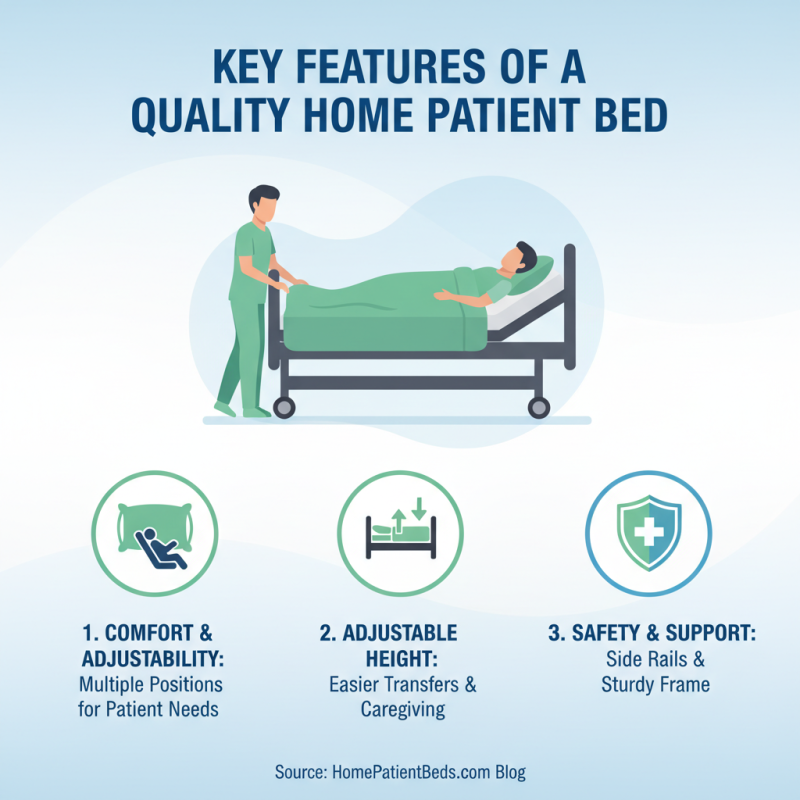
When choosing a patient bed for home use, several key features can make a significant difference. Comfort and adjustability are paramount. Look for beds that allow various positions, catering to different needs. An adjustable height is especially beneficial for both the patient and the caregiver.
Tips: Consider your space. Measure your room to ensure the bed fits well without crowding. A bed that has side rails can enhance safety, especially for those who may need extra support while getting in or out of bed.
Durability and ease of maintenance are also essential. Select materials that can withstand daily use and are easy to clean. Some beds come with removable covers, which can simplify sanitation. Additionally, check the weight capacity to ensure it meets users’ requirements.
Tips: A quiet motor for electric beds can enhance comfort at night. Consider the noise level if the patient sleep is easily disturbed. Ask for expert advice; healthcare professionals can offer guidance tailored to specific needs. Don't hesitate to reflect on how the bed fits into daily routines and overall care.
Assessing the Space and Layout for a Patient Bed
When selecting a patient bed for home use, assessing the space and layout is crucial. A well-planned area enhances safety and comfort. According to a 2022 report from the Healthcare Industry Association, optimal bed placement can reduce risk of falls by up to 30%. This statistic highlights the importance of space management around the bed.
Consider the dimensions of the room. If the bed is too large for the area, maneuverability becomes a concern. Leave at least 3 feet of clearance on each side and at the foot of the bed. This distance allows for easy access and emergency situations. Measure doorways and hallways as well, ensuring that the bed can be moved in and out smoothly.
The patient’s needs also play a role in space assessment. If the individual requires mobility aids, wider pathways are essential. Experts recommend a minimum of 36 inches in width for wheelchair access. A clutter-free environment is vital too. Remove unnecessary furniture to create a safe and functional layout. Each decision impacts the patient’s well-being and overall care experience.
Budget Considerations for Purchasing a Patient Bed
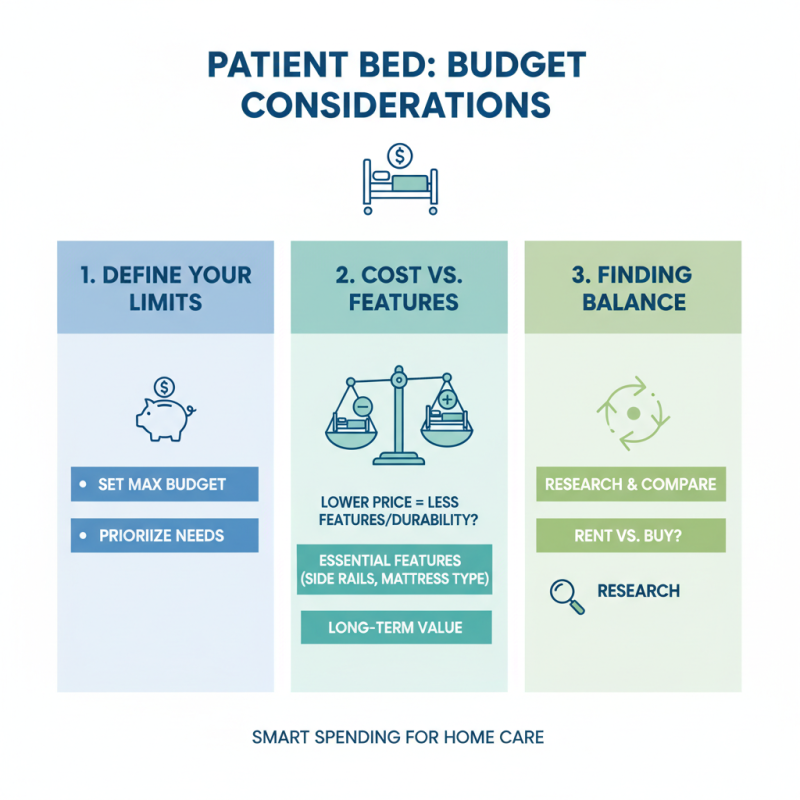
When considering a patient bed for home use, budget is a crucial factor. Prices can vary significantly, making it essential to define your financial limits early in the decision-making process. A lower-priced bed may lack essential features or durability, while a higher-priced option might not fit your needs. Weighing cost against features can help you find a balance.
Evaluate the features that matter most. Adjustable height and mobility options often come at a higher price. However, these can greatly enhance comfort and accessibility for the user. Compromises can lead to dissatisfaction over time, especially if the bed fails to meet day-to-day needs.
Consider additional costs too. Accessories may be necessary for optimal use. Features like side rails, replacement mattresses, and mobility aids can add to overall expenses. Focus on what you can truly afford in the long run. It's important to reflect on how investment in a quality bed can impact the patient's quality of life, even if it stretches your budget now. Decision-making often requires careful thought about both initial and ongoing costs.