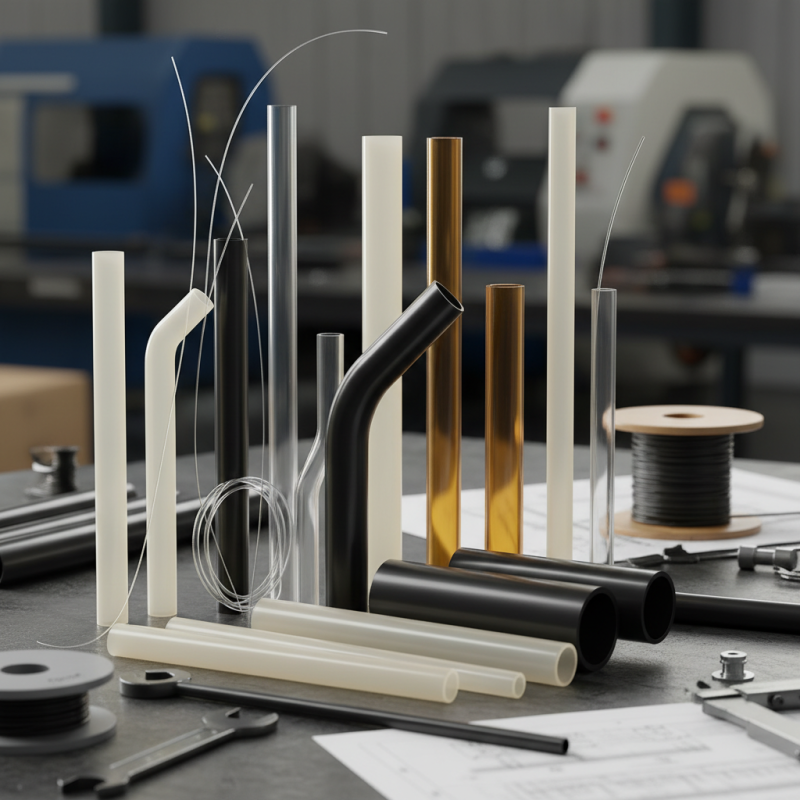
How to Choose the Right Pa6 Nylon Tube for Your Needs?
Choosing the right Pa6 Nylon Tube can significantly impact your project. The selection depends on various factors, including application, environment, and mechanical requirements. Many users face challenges when determining the best fit. It’s essential to understand your needs clearly before making a decision.
Pa6 Nylon Tubes are known for their durability and resistance to chemicals. However, they come in different dimensions and tolerances. This diversity may confuse buyers unfamiliar with material specifications. It's crucial to consider both the operational environment and compatibility with other materials.
Pay attention to details such as temperature range and flexibility. Sometimes, users prioritize price over quality, leading to poor performance. Reflect on your specific application and long-term needs. A well-informed choice will enhance performance and reduce future costs.
Introduction to PA6 Nylon Tubes and Their Applications
PA6 nylon tubes are widely recognized for their durability and versatility. They are advantageous in various sectors, from automotive to electronics. Their strength and resistance to wear make them suitable for high-stress applications. According to industry reports, the global nylon market is projected to reach $6.1 billion by 2025. This indicates a growing demand for quality materials. Engineers often prefer PA6 for its excellent abrasion resistance and low friction properties.
In automotive applications, PA6 tubes are used in fuel systems and air intake systems. They can withstand extreme temperatures, making them ideal for harsh environments. A study by Smithers Pira highlights that PA6's thermal properties make it a favorite in applications requiring performance reliability. However, it may not always be the best choice for high-temperature applications. Understanding your specific requirements is crucial.
Consider your application’s physical demands. Will the tube experience bending or pressure? These factors can significantly impact performance. PA6 tubes may degrade in certain solvents. A lack of knowledge about compatibility could lead to issues. Investing time in research is essential. Think critically about your choices. The right PA6 nylon tube can enhance performance and longevity, but it requires an informed selection process.
PA6 Nylon Tubes: Properties and Applications
Key Properties of PA6 Nylon and How They Affect Performance
PA6 nylon, known for its durability and versatility, is widely used in a variety of applications. Its exceptional mechanical properties, such as high tensile strength and rigidity, make it a popular choice for tubing. According to industry reports, PA6 nylon can withstand temperatures up to 80°C without significant loss of performance. This heat resistance is crucial for applications in automotive and industrial sectors, where exposure to high temperatures is common.
Another key property of PA6 nylon is its excellent chemical resistance. It can resist various chemicals, oils, and greases, ensuring longevity in diverse environments. Material specifications indicate that PA6 nylon exhibits less than 1% water absorption, which enhances its dimensional stability. This characteristic is vital for applications in fluid transfer systems, where maintaining consistent flow without swelling is essential. However, while PA6 nylon performs well in ideal conditions, one must consider its limitations. For example, long-term exposure to harsh UV light can lead to degradation, affecting the tube's lifespan.
When selecting PA6 nylon tubing, it's essential to evaluate the specific requirements of your project. Consider factors like bending radius, flexibility, and environmental exposure. While PA6 nylon offers many advantages, careful consideration of these aspects will ensure optimal performance and reliability in your applications.
Factors to Consider When Selecting PA6 Nylon Tubes
When selecting PA6 nylon tubes, several key factors come into play. First, consider the tube's intended application. Are you using it for hydraulic systems, pneumatic applications, or perhaps for structural purposes? Each use case demands different strengths and chemical resistances.
Material properties are crucial. PA6 nylon features excellent durability but also varies in flexibility and temperature resistance based on its formulation. Confirm that the tube can withstand the environmental conditions it will face. A resilient tube in extreme temperatures will outperform a lesser quality choice.
Additionally, think about dimensions and compatibility. The inner diameter and wall thickness affect flow rates and pressure tolerance. Choosing the right size matters more than you might think. Review specifications carefully to avoid potential issues down the line. Examining your workspace and installation points is wise. Sometimes, a little extra thought can prevent major headaches in the future. Make adjustments based on your findings, and don’t hesitate to revisit your choices.
Common Use Cases for PA6 Nylon Tubes in Various Industries
PA6 nylon tubes are gaining traction across various sectors due to their durability and flexibility. In the automotive industry, they are often used for fuel lines and air intake systems. Their resistance to chemicals and heat makes them the preferred choice for engines. As a result, manufacturers can ensure better performance and efficiency. However, installation can be tricky, and improper fitting can lead to leaks, which must be carefully considered.
In the medical field, PA6 nylon tubes play a crucial role in medical devices. They are used in catheter systems and surgical tools. Their biocompatibility ensures safety in sensitive environments. Nonetheless, the manufacturing process for medical-grade tubes is tightly regulated. This means that not all PA6 nylon products are suitable for medical use. Users should verify certifications before making decisions.
The food industry also sees benefits from PA6 nylon tubes. They are often used in processing and packaging applications. Their ability to withstand temperatures makes them ideal for diverse food products. Yet, food safety standards must be a priority. Regular inspections and quality checks are essential to avoid contamination risks. Balancing performance and compliance is vital in these cases.
Maintenance and Care Tips for PA6 Nylon Tubes
When maintaining PA6 nylon tubes, cleaning should be a priority. Regularly wipe down the surface with a damp cloth. This helps prevent dust build-up, which can affect performance. For deeper cleaning, a mild detergent mixed with water can be effective. Always rinse thoroughly to avoid residue.
Inspect the tubes frequently for signs of wear or damage. Look for cracks or discoloration. These issues can indicate that the tube is nearing the end of its useful life. If you notice any problems, it’s wise to replace the tube promptly. Neglecting these checks may lead to sudden failures, so stay vigilant.
Proper storage is also crucial. Keep PA6 nylon tubes in a cool, dry place. Avoid exposure to UV light and extreme temperatures, which can degrade the material over time. If you can, store them flat to prevent bending. Treating your nylon tubes with care will prolong their lifespan and ensure they perform well. Remember that every small action counts in maintenance.