China Top Orthodontic Adhesive System What You Need to Know?
The world of orthodontics is constantly evolving. One key component of this field is the Orthodontic Adhesive System. This system plays a crucial role in the effectiveness of braces. Understanding its features can greatly enhance treatment outcomes.
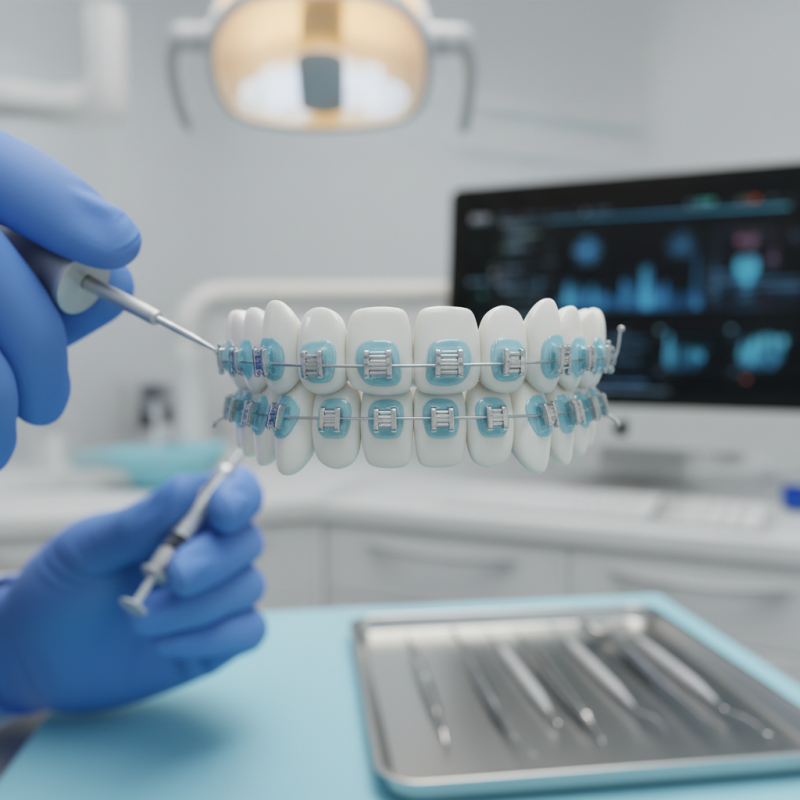
Orthodontic adhesive systems are designed to securely bond brackets to teeth. They must ensure durable adhesion while allowing easy bracket removal. Here, we explore their components, benefits, and potential drawbacks. Many systems vary in effectiveness and trial data.
Dental professionals face challenges with orthodontic adhesives. Some may not provide the expected bond strength. Others may lead to bracket failures. Selecting the right system requires careful consideration. By understanding the nuances, practitioners can refine their practice and deliver better care.
Overview of Orthodontic Adhesive Systems in China
In recent years, orthodontic adhesive systems in China have gained significant attention. As of 2021, the market has seen an annual growth rate of around 4.6%. This increase is largely due to the rising demand for orthodontic treatments among younger populations. Advances in technology have led to more efficient adhesives, enhancing the overall patient experience. However, this rapid growth brings challenges.
Many clinics face quality inconsistencies. Not all products perform as expected, leading to treatment delays. Reports suggest that nearly 30% of orthodontists have encountered adhesive failures during procedures. This has raised concerns about the reliability of available systems. Quality control remains a significant issue in the industry.
Despite these challenges, the future looks promising. Innovations are on the horizon. Emerging materials and improved formulations aim to enhance bond strength and reduce failure rates. Additionally, increased awareness among patients drives the demand for more effective solutions. The evolution of orthodontic adhesive systems in China reflects both advancements and the need for ongoing quality assessment.
Key Components of Top Orthodontic Adhesive Systems
When considering orthodontic adhesive systems, key components play a critical role. Adhesive strength is vital for ensuring brackets securely bond to teeth. A good adhesive should provide reliable attachment throughout treatment. Removal should be straightforward without damaging enamel or causing sensitivity.
Another important element is the curing time. Some adhesives set quickly, while others require more time. Faster setting may benefit busy practices, but longer curing can ensure a better bond. Additionally, the viscosity matters. A thicker adhesive can help with placement, but it may be harder to work with.
Many orthodontists also reflect on the ease of application. A user-friendly system encourages efficient workflow in clinics. Training staff to use adhesives properly is crucial. Poor application can lead to complications, such as bracket failure.
This area often requires improvement and ongoing education. Even seasoned professionals must adapt to new techniques. They shouldn't overlook regular evaluations of their processes.
Selecting the Right Orthodontic Adhesive for Your Practice
Choosing the right orthodontic adhesive for your practice is crucial. A good adhesive ensures effective bonding of brackets and appliances. The right choice can enhance treatment outcomes and patient satisfaction. Orthodontic adhesives come in various formulations, including light-cure and self-cure options. Understanding their properties is essential for making an informed decision.
Experiment with different adhesives during your practice. Notice the differences in handling, setting time, and bond strength. Some adhesives may not perform well in humid environments. Be aware that excessive moisture can affect adhesion. Testing multiple types can help you find the best fit for your setup.
Tip: Always consider your patient demographic. Different age groups may respond differently to certain materials. It’s vital to balance performance with comfort. Evaluate patient feedback regularly. This can guide your adhesive selection and help refine your practice further. Each case can be unique, so flexibility in choice matters. Don’t hesitate to rethink your previous decisions when outcomes aren’t as expected.
China Top Orthodontic Adhesive System - What You Need to Know?
| Adhesive Type | Curing Method | Viscosity | Bond Strength (MPa) | Setting Time (minutes) |
| Light Cure | Light Activation | Low | 20 | 1-2 |
| Self-Etch | Chemical Activation | Medium | 15 | 2-3 |
| Dual Cure | Light and Chemical | High | 25 | 1-4 |
| Transbond | Light Activation | Low | 22 | 2-3 |
Comparison of Leading Brands in the Chinese Market
When exploring orthodontic adhesives in China, several local and international brands stand out. Each brand features unique compositions and formulas designed to meet the specific needs of dental professionals. Some adhesive systems excel in bonding strength, while others focus on ease of application. This diversity offers orthodontists various options, but it can also lead to confusion.
A closer look reveals that some brands may promise quick curing times yet fall short in bonding durability under stress. Others might be favored for patient comfort but contain ingredients that raise concerns among practitioners. These discrepancies highlight the importance of thorough research before choosing an adhesive. What works for one orthodontist may not work for another.
In assessing these options, it's essential to consider both clinical outcomes and patient experiences. What works perfectly in one practice might fail in another. The balance between performance and safety can be tricky. Practitioners should remain open to feedback and ready to adapt their choices as new information emerges. This ongoing evaluation process is crucial for delivering optimal patient care in orthodontics.
Latest Innovations and Trends in Orthodontic Adhesives
Orthodontic adhesives have evolved significantly in recent years. Innovations focus on improving bond strength and reducing sensitivity. Many new systems are designed to work seamlessly with various bracket types. This versatility allows orthodontists to tailor their approach based on patient needs. New adhesive technologies also emphasize easy application. Some systems can be cured quickly with light, saving valuable chair time.
Recent trends also highlight the importance of patient comfort. For instance, low-viscosity adhesives allow for better flow and minimize discomfort during placement. Some products now feature enhanced aesthetic properties, making them less noticeable. Yet, not all innovations are perfect. Some practitioners have reported challenges with inflation of the adhesive layer, leading to potential bond failures. This issue often requires additional training.
The ongoing research in orthodontic adhesives continues to push boundaries. More biocompatible materials are being explored. This will hopefully lead to safer options for patients. As these trends evolve, orthodontists must remain updated. Balancing performance and patient satisfaction is crucial, and it requires constant reflection on experiences and outcomes.