Chat with us, powered by LiveChat

2026 Best Physiotherapy Tools and Equipment for Clinics

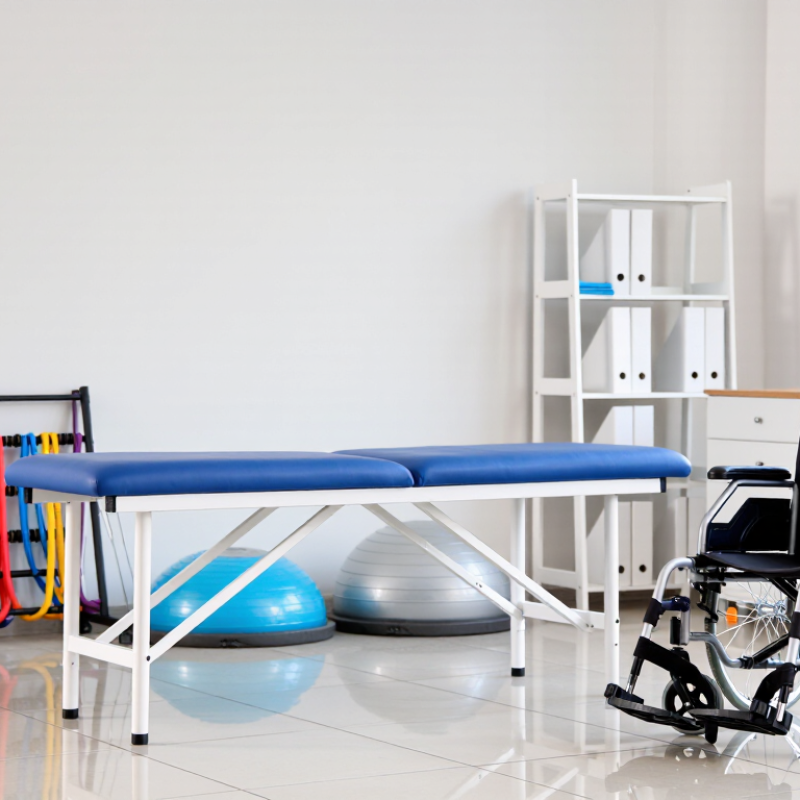
Choosing clinic equipment in 2026 is less about filling a room than matching tools to patients’ needs. A treatment table, resistance bands, balance pads, and a compact cycle each support different activities. The right choices depend on your caseload, available space, staff training, and daily workflow.

Small details matter. Can a wheelchair turn beside the plinth? Are band handles comfortable to grip? Can staff clean and inspect equipment between sessions? These practical questions can reveal more than a polished product brochure.

Professor Lorimer Moseley, a physiotherapist and pain-science researcher, is often quoted as saying, “Pain is an output of the brain, not an input from the body.” That idea is a useful reminder: equipment can support movement, but it cannot replace clinical judgment or a patient’s individual experience. A balance pad may suit one person and frustrate another. That is worth admitting.

This guide to Physiotherapy Tools Equipment compares common clinic options by purpose, usability, space needs, and maintenance considerations. It looks at essentials for assessment, strengthening, mobility, and balance work, while recognizing that no single setup fits every practice. The aim is a more informed shortlist—not a promise that new equipment alone will improve outcomes. Start with the work your clinic actually does. Then choose tools your team can use confidently and consistently.
2026 Best Physiotherapy Tools and Equipment for Clinics

What Physiotherapy Tools and Equipment Do Clinics Use?

Physiotherapy clinics use a mix of assessment tools, treatment surfaces, and exercise equipment. An adjustable treatment table gives clinicians access to different body areas while supporting comfortable positioning. A goniometer helps measure joint range of motion, while a handheld dynamometer can record muscle strength. These measurements are useful, but they do not tell the whole story. Pain, confidence, and daily function matter too.

For exercise, clinics commonly use resistance bands, light weights, steps, balance pads, and stationary bicycles. Parallel bars and gait belts can support supervised walking practice. Fit matters. A band that is too strong may change a patient’s movement; a wobbly step can undermine confidence. Small details count. Equipment should match the person, not just the diagnosis.

Some clinics also use heat or cold packs, electrical stimulation, or therapeutic ultrasound when clinically appropriate. These tools may support care, but they are not substitutes for assessment or guided movement. Cleaning takes time. Tables, shared weights, and reusable pads need routine attention between patients. Storage can be imperfect, and crowded rooms make equipment harder to reach. A practical clinic setup leaves clear walking paths, keeps frequently used items nearby, and allows staff to check equipment before each session.

Assessment Tools for Evaluating Movement, Strength, and Function

Reliable assessment starts with a clear question: what changed, and under which conditions? The World Health Organization estimates that 1.71 billion people worldwide live with musculoskeletal conditions (WHO, 2022). That scale makes consistent measurement valuable, but no single score explains a person’s movement.

A practical clinic setup can pair a goniometer or inclinometer with a handheld dynamometer for joint range and strength. Add a stopwatch, measured walkway, chair, and step for timed walking, sit-to-stand, and balance tasks. Keep instructions, footwear, and test setup consistent between visits. Small details matter. Record the actual result, not just “better” or “weaker.” Where available, pressure or motion sensors can add detail, but they should support—not replace—clinical observation.

The Global Burden of Disease study estimated that low back pain affected 619 million people in 2020, with projections reaching 843 million by 2050 (GBD 2021, published in The Lancet Rheumatology, 2023). That burden makes functional testing relevant, yet a timed test can look precise while pain, fatigue, or fear changes performance. Recheck unexpected results, and note what may have influenced them. Assessment is useful, but never perfectly neutral.

Treatment Equipment for Pain Relief and Physical Rehabilitation

Pain-relief and rehabilitation equipment should help clinicians match treatment to each patient’s assessment, goals, and tolerance. The World Health Organization estimates that 1.71 billion people live with musculoskeletal conditions (WHO, Musculoskeletal Conditions Fact Sheet, 2022). For clinics, practical essentials include adjustable treatment tables, resistance bands, light weights, balance pads, and mobility aids. They support graded exercise and functional practice, from a shoulder’s controlled reach to steady steps across a foam pad.

Useful equipment is not automatically effective for every patient. WHO reports that about 2.4 billion people could benefit from rehabilitation (WHO, Rehabilitation Fact Sheet, 2024). That need makes safe access and adaptable care important. Clinicians should check load limits, cleanability, adjustability, and patient fit before purchasing. Electrical stimulation or heat-and-cold tools may have a role, but require appropriate screening and clinical judgment. The device is only part of care.

Keep it measurable. Record pain, range of motion, strength, or walking ability before and after an agreed treatment period. Then review progress and adjust the plan. A crowded equipment room can look impressive, yet leave little space for safe movement. That is an easy mistake. Equipment selection also deserves periodic review; budgets and routines can keep outdated choices in place longer than they should.

2026 Best Physiotherapy Tools and Equipment for Clinics - Treatment Equipment for Pain Relief and Physical Rehabilitation

Equipment Common Clinical Uses How It Supports Rehabilitation Key Selection Considerations Safety and Practical Notes
Adjustable treatment table Positioning for assessment, exercise instruction, and hands-on treatment. Provides a stable surface at a suitable working height for patients and clinicians. Check weight capacity, height range, table width, adjustment method, and ease of cleaning. Lock wheels before use and follow the manufacturer's inspection and maintenance instructions.
Resistance bands and tubing Progressive strengthening and mobility exercises for the upper and lower limbs. Offer portable resistance that can be adjusted by changing band tension or exercise position. Stock several resistance levels; inspect material regularly and replace bands showing wear. Secure attachment points and check for cracks or tears before each session.
Stationary cycle Low-impact cardiovascular exercise and graded lower-limb movement. Allows cadence and resistance to be adjusted while the patient remains supported. Consider seat adjustment, step-through access, stability, display readability, and available space. Set the seat to support comfortable pedaling and use an appropriate exercise plan.
Treadmill with safety features Gait practice, walking endurance, and graded functional exercise. Provides a repeatable walking environment with adjustable speed and, on some models, incline. Look for a suitable speed range, handrails, emergency stop, accessible controls, and adequate clearance. Use close supervision when balance or fall risk is a concern; follow equipment safety guidance.
Balance and proprioception equipment Balance tasks and graded neuromuscular training. Foam pads, balance boards, and similar tools can vary the stability of the exercise surface. Choose different challenge levels and surfaces that are durable and easy to clean. Match task difficulty to the patient's abilities and provide nearby support when needed.
Handheld dynamometer Measuring muscle force during assessment and follow-up. Provides a quantifiable measure that can help track strength over time when testing is standardized. Review measurement range, grip comfort, calibration requirements, and data-recording options. Use consistent positioning and testing procedures when comparing results across visits.
Electrical stimulation unit (TENS/NMES) TENS may be used for symptom modulation; NMES can elicit muscle contractions for selected patients. Delivers controlled electrical stimulation through surface electrodes as part of a clinician-directed plan. Check waveform options, adjustable settings, electrode availability, and clear controls. Screen for contraindications and follow the device instructions; TENS does not address every cause of pain.
Therapeutic ultrasound unit May be used as an adjunct modality in selected treatment plans. Delivers ultrasound energy through a treatment head and coupling medium. Consider output controls, treatment-head options, service support, and operator training. Use only within training and device guidance; it is not a substitute for appropriate exercise or assessment.
Hot and cold therapy supplies Superficial heat or cold applications when clinically appropriate. Provide a local thermal treatment that may be included for short-term comfort or symptom management. Plan for temperature control, storage, protective covers, cleaning, and sufficient inventory. Check skin sensation and circulation, use a protective layer, and monitor the patient during application.
Gait belt and walking aids Assisted transfers and supported walking practice. Can support safe handling and mobility training when selected and used appropriately. Provide suitable sizes and adjustable aids; inspect buckles, handles, tips, and overall condition. Train staff in safe use and choose the level of assistance based on individual assessment.

Equipment selection should reflect the clinic's patient population, staff training, available space, and local safety requirements. Modalities are generally used as part of an individualized rehabilitation plan.

How Clinics Select Equipment for Different Patients and Settings

Clinic equipment should match the patient, the treatment goal, and the space available—not just a purchasing checklist. The World Health Organization’s 2023 rehabilitation fact sheet estimates that 2.4 billion people worldwide could benefit from rehabilitation. That breadth argues for adaptable basics: adjustable plinths, resistance bands, steps, balance pads, and clear walking lanes. Small details matter. A low step may suit a post-operative patient, while a stable rail can help someone practise transfers with confidence. For limited mobility, check equipment height, grip, and wheelchair access before ordering.

Patient risk should shape the setup, too. WHO reports that falls cause about 37.3 million injuries each year severe enough to require medical attention. Clinics treating older adults or people with balance problems may therefore prioritize parallel bars, secure harness systems, and uncluttered routes over bulky, rarely used machines. Not always. A smaller clinic may need portable tools that move between rooms; a sports setting may need graded loading options and space for functional drills. Staff training, cleaning time, storage, and maintenance matter as much as the equipment itself. A neat inventory can still be wrong for the people using it. Review patient outcomes and staff feedback regularly, then adjust; selection is rarely perfect on the first attempt.

Safety, Maintenance, and Technology Trends in 2026

In 2026, choosing physiotherapy equipment means looking beyond features to safe, reliable daily use. Treatment tables should lock firmly, adjust smoothly, and support the intended patient load. Check that walking aids have secure grips and intact rubber tips. For electrical equipment, staff should know where the controls and emergency stop are. Small checks matter.

Maintenance works best when it is routine, not reactive. Keep a simple log for inspections, repairs, and cleaning; note loose fittings, cracked upholstery, frayed cables, or unusual sounds. Follow the manufacturer’s care instructions, since harsh cleaners can damage surfaces or labels. Remove faulty equipment from use until it has been assessed. A missed check can happen, so make responsibility clear across each shift.

Technology is bringing more sensors, digital exercise guidance, and connected monitoring into clinics. These tools can help track movement and progress, but measurements are not the whole clinical picture. A screen may show fewer repetitions; it cannot explain pain, fatigue, or hesitation. Protect patient information with limited access and careful device handling. It is tempting to assume newer means better. Not always. Choose tools that fit the clinic’s treatment goals, staff training, and maintenance capacity.

TOP