What is the Best Lung Exerciser for Improved Breathing?
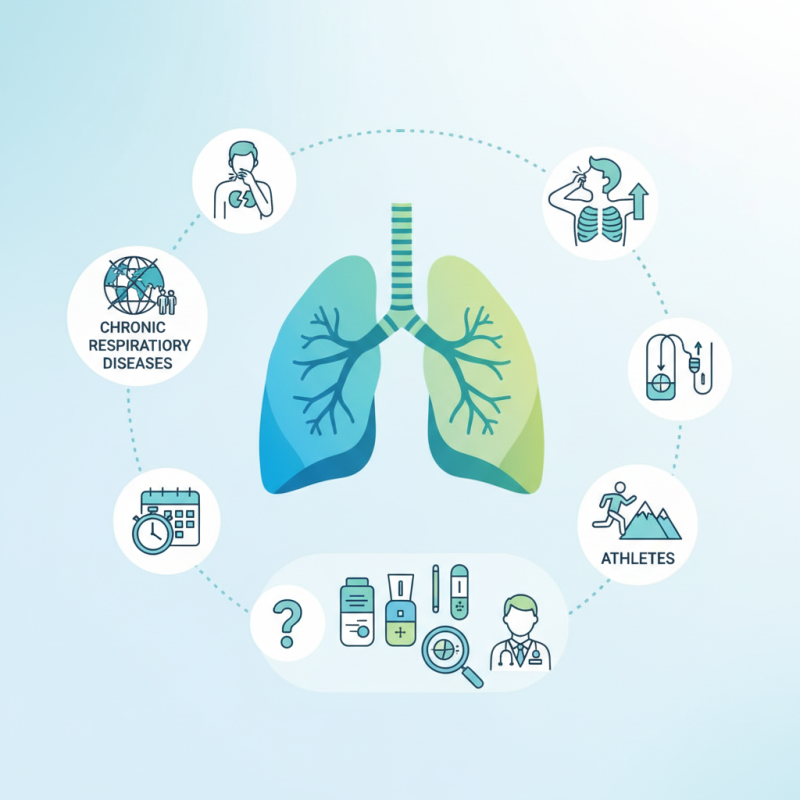
Lung health is crucial for overall well-being. Over 200 million people globally suffer from chronic respiratory diseases. According to the Global Burden of Disease Study, respiratory issues are a leading cause of death. Many individuals overlook respiratory fitness until it impacts daily life.
A lung exerciser can enhance breathing efficiency. These devices promote lung capacity and improve airflow. Studies indicate that regular use can lead to significant gains in pulmonary function. Some exercisers are portable and user-friendly, making them accessible. Ideal for athletes, those with respiratory conditions, or anyone seeking better lung function.
However, choosing the right lung exerciser can be challenging. Not all devices fit every user's needs. Some users report minimal improvement or discomfort. It is essential to research various options and consult healthcare professionals. Every lung exerciser claims to stand out. Yet, true effectiveness can vary among individuals.
Understanding Lung Exercisers and Their Benefits
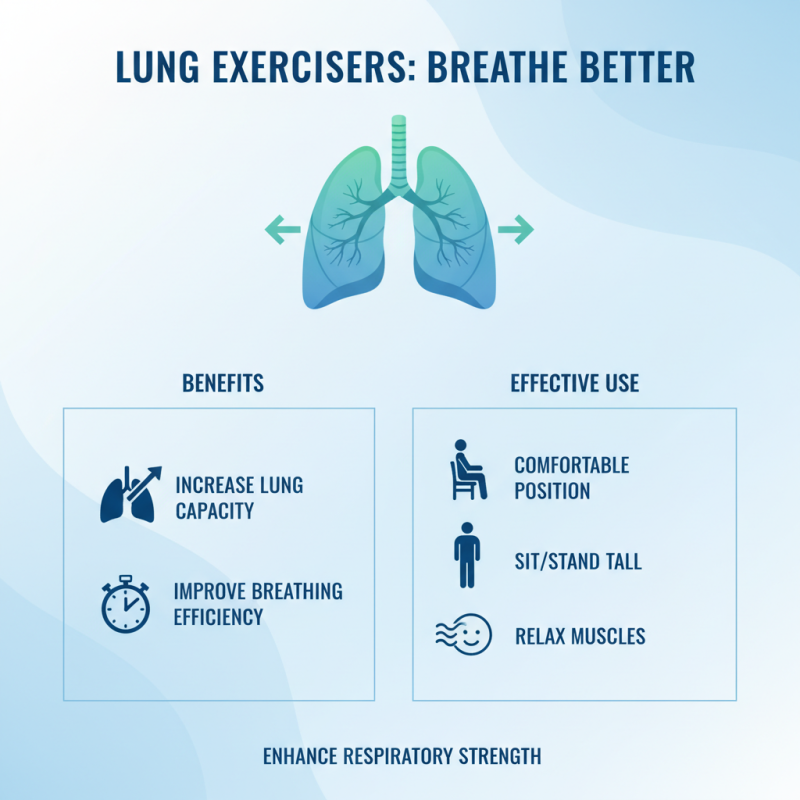
Lung exercisers are tools designed to enhance breathing capacity. These devices can be helpful for various individuals, especially those with respiratory issues. They work by providing resistance, which requires users to inhale and exhale more forcefully. This process can strengthen lung muscles and improve overall pulmonary function.
Regular use of lung exercisers can lead to noticeable benefits. Increased lung capacity allows for better oxygen intake. This can enhance athletic performance and reduce fatigue during daily activities. Some users notice a reduction in shortness of breath. However, proper technique is crucial. Breathe slowly and steadily to reap maximum benefits. Many people struggle with consistency. It's easy to forget about exercises during a busy day.
Additionally, using these devices can sometimes induce discomfort. Users may experience light-headedness or fatigue if they overexert themselves. Regular pauses and listening to your body is essential. Understanding your limits can help prevent frustration. While lung exercisers can significantly improve breathing, it's key to approach their use with care and mindfulness.
Lung Exerciser Efficiency Compared to Traditional Breathing Methods
Types of Lung Exercisers Available on the Market
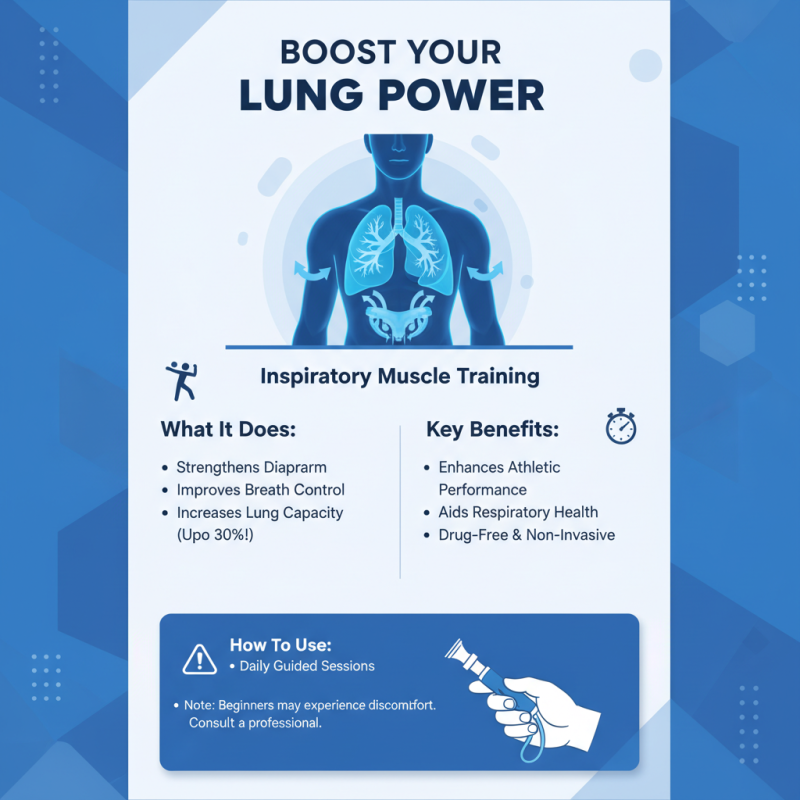
Lung exercisers come in various forms, each designed to improve breath control and capacity. One common type is the inspiratory muscle trainer. This device helps strengthen the diaphragm and intercostal muscles. According to a recent study, using these trainers can enhance lung function by up to 30%. Many athletes incorporate them into trainings. Yet, beginners may find them challenging, sometimes leading to discomfort.
Another option is incentive spirometers. These are often used in clinical settings. They help patients recover lung function after surgery or illness. Research shows that consistent use can significantly reduce complications like pneumonia. However, not everyone understands how to use them effectively, which may limit their benefits. Proper instruction is crucial.
Walking lung exercisers are also gaining popularity. These devices promote deep breathing through active movements. A report highlighted that users experienced a notable increase in lung capacity. Still, they require motivation and consistency, which can be hard for some. It's vital to consider personal goals when choosing a lung exerciser, as some may suit certain needs better than others.
Criteria for Choosing the Best Lung Exerciser
Choosing the right lung exerciser can greatly enhance your breathing. Focus on specific criteria to ensure you pick the best one. Look closely at the device’s design and ease of use. A complicated machine may discourage you from exercising. Simplicity often leads to better commitment.
Tip: Prioritize options that fit comfortably in your hand. A good grip can motivate you to use it regularly. Think about how it feels during the workout. If it’s awkward, you might abandon it.
Also, consider the level of resistance offered. Some models allow you to customize it. This feature is beneficial as you can progress over time. Ensure that the resistance is adjustable but also feel free to reflect on what challenges you.
Tip: Choose an exerciser that suits your current skill level. Starting too hard can lead to frustration. It’s okay to take small steps toward improvement. Each session is a chance for growth.
Additional Breathing Techniques to Complement Lung Exercisers
Breathing techniques can greatly enhance the effectiveness of lung exercisers. One technique is diaphragmatic breathing. This involves expanding the diaphragm instead of the chest. Place one hand on your chest and the other on your abdomen. Inhale deeply, feeling your belly rise. Exhale slowly. This method can improve oxygen flow and lower stress.
Another technique to try is pursed-lip breathing. Inhale through your nose for two counts and then exhale slowly through pursed lips. Aim for a slow, controlled release. This can help increase lung capacity. It is simple, yet many find it challenging at first. Practicing regularly can lead to noticeable improvements.
Visualization is also a powerful tool. Picture your lungs expanding with every inhale. Imagine fresh air filling your chest. This mental exercise can motivate you. It’s not always easy to stay focused. Distractions are everywhere, but returning to this image can enhance your practice. There is beauty in the struggle to breathe better. Each effort counts, leading you closer to improved lung health.
What is the Best Lung Exerciser for Improved Breathing? - Additional Breathing Techniques to Complement Lung Exercisers
| Lung Exerciser Type |
Benefits |
Recommended Usage |
Complementary Breathing Techniques |
| Breathing Trainer |
Strengthens respiratory muscles, improves lung capacity |
10-15 minutes daily |
Diaphragmatic Breathing |
| Incentive Spirometer |
Promotes deep breathing, prevents lung complications |
Hourly use while awake |
Pursed-Lip Breathing |
| Peak Flow Meter |
Measures exhalation strength, monitors lung health |
Daily monitoring |
Box Breathing |
| Flutter Valve |
Helps clear mucus, improves airway clearance |
As needed, 2-3 times daily |
Active Cycle of Breathing Technique (ACBT) |
| Resistive Breathing Device |
Increases lung strength, builds endurance |
3-5 times per week |
Mindful Breathing |