2026 Best Hospital Supplies for Global Buyers to Consider?
In the ever-evolving landscape of healthcare, the demand for quality hospital supplies remains critical. As global buyers, understanding the best options for the year 2026 can significantly impact patient care and operational efficiency. Hospital supplies encompass a wide range of products, from surgical instruments to everyday consumables. Each selection can influence hospital performance.
Quality matters. Compromising on hospital supplies can lead to increased costs and risks. Therefore, buyers must consider not only the price but also the reliability of suppliers. Research and reviews from trusted sources play a vital role in informed decision-making. Engaging with industry experts offers valuable insights into emerging trends. Are we paying enough attention to the certifications and standards in hospital supplies?
In this guide, we will explore the top hospital supplies for global buyers. Each item featured is backed by market analysis and expert recommendations. We aim to provide clarity and actionable information. However, the choices available are vast. This complexity invites reflection on our current procurement strategies and their long-term consequences.

Innovative Technologies in Hospital Supplies for 2026
Innovations in hospital supplies are transforming healthcare dramatically for 2026. According to a recent report from Healthcare Analytics, the global market for medical supplies is projected to reach $150 billion by 2026, driven by advancements in technology. One significant area is the development of smart medical devices. These devices enable real-time monitoring of patient vitals, enhancing decision-making processes in hospitals.
Artificial intelligence (AI) is increasingly integrated into hospital supply chains. AI can forecast inventory needs, reducing wastage and ensuring that critical supplies are always available. The Boston Consulting Group highlights that hospitals using AI in supply chain management can improve efficiency by up to 30%. However, these technologies require significant investment and ongoing training of healthcare staff. Implementing them effectively can pose challenges and necessitate a cultural shift within healthcare organizations.
Telemedicine is another critical innovation. It allows hospitals to offer remote consultations, expanding access to care. The World Health Organization estimates that telehealth can reduce hospital admissions by 30% for chronic disease management. While promising, it also raises questions about data security and the quality of virtual care. Addressing these concerns is vital as healthcare moves forward into an increasingly digital landscape.
Key Considerations for Selecting Hospital Supplies for Global Buyers
When selecting hospital supplies, global buyers face unique challenges. The fluctuating market demands and varying healthcare standards can lead to confusion. Buyers must assess the quality and safety of the products they consider. Understanding the certifications and standards in different regions is essential. This knowledge helps ensure compliance and reliability.
Price is another vital factor. While affordability is important, it should not compromise quality. Low-cost supplies may lack durability and effectiveness. Buyers must compare options carefully. They should evaluate both upfront costs and long-term value.
Building relationships with reputable suppliers is crucial. Effective communication can lead to a better understanding of needs. Once trust is established, it allows for smoother transactions. However, forging these connections takes time and diligence. Buyers should always be open to feedback and willing to reconsider their choices. This reflective approach could lead to better decision-making in the long run.
Top Categories of Essential Hospital Supplies in 2026
As the healthcare landscape evolves, certain hospital supplies become crucial for effective patient care. In 2026, one key category includes personal protective equipment (PPE). Facemasks, gloves, and gowns remain vital to protect both patients and staff. Hospitals must ensure a steady supply of quality PPE. This prevents shortages during critical times.
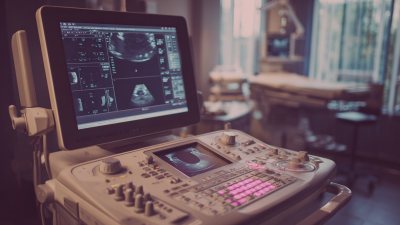
Another essential category is advanced diagnostic equipment. Tools like ultrasound machines and portable X-ray devices can improve patient outcomes. They enable quicker decision-making in emergency situations. Healthcare providers should invest in reliable, user-friendly technology to ensure accurate diagnoses.
**Tips:** Regularly assess your hospital’s inventory. Identify staples that need replenishing. Foster relationships with multiple suppliers to avoid disruptions. Additionally, staff training on new equipment can enhance usability and patient safety. Embracing feedback from frontline workers on supply effectiveness can lead to continuous improvement in inventory management.
Sustainability Trends in Hospital Supply Products for Healthcare
Sustainability is rapidly becoming a focus in hospital supply products. A recent report indicates that 70% of healthcare organizations prioritize sustainable procurement. This shift reflects their commitment to reducing environmental impact while improving patient care. Products that are eco-friendly are gaining traction in various sectors. Healthcare providers realize that sustainable supplies can enhance their corporate image.
Organizations are exploring options like biodegradable materials and energy-efficient devices. According to a survey from the Healthcare Sustainability Institute, 65% of respondents found that sustainable products have a positive effect on patient well-being. This correlation between well-being and sustainability prompts further research. However, the market still grapples with challenges in pricing and availability. Sustainable options may not always align with budget constraints.
Despite the push for greener alternatives, some hesitation exists. Many healthcare professionals question the durability and efficacy of sustainable products. This skepticism leads to debates within the community. Stakeholders must communicate clearly about the benefits and real-world performance of these innovative supplies. As awareness grows, solutions to these concerns will likely emerge. The journey towards sustainable healthcare products is ongoing and requires collective effort.
Global Market Insights: Trends in Hospital Supplies for the Future
The global hospital supplies market is evolving rapidly. Recent trends highlight a growing demand for advanced medical technologies. These innovations offer improved patient care and operational efficiency. The rise of telemedicine is also reshaping supply needs, with equipment for remote consultations becoming essential.
Sustainability is becoming a key focus in the industry. Hospitals are seeking eco-friendly supplies to reduce their environmental impact. This shift challenges manufacturers to balance quality with sustainability. The integration of smart technologies, such as IoT devices, is promising but may pose cybersecurity risks.
Moreover, demand for personal protective equipment has not diminished in many regions. Hospitals must prioritize safety alongside efficiency. Some facilities still lack adequate supplies, highlighting a gap in preparedness. Addressing these issues is crucial for future resilience in healthcare systems.
2026 Best Hospital Supplies for Global Buyers to Consider
| Supply Type |
Trend |
Market Growth Rate (2023-2026) |
Key Drivers |
| Personal Protective Equipment (PPE) |
Increased focus on infection control |
8.5% |
Global health concerns, regulatory mandates |
| Diagnostic Equipment |
Technological advancements |
7.2% |
Rising prevalence of chronic diseases |
| Surgical Instruments |
Minimally invasive surgeries |
6.8% |
Growing surgical procedures |
| Patient Monitoring Devices |
Rise of telemedicine |
9.1% |
Increased demand for remote monitoring |
| Pharmaceuticals |
Biologics and biosimilars growth |
5.5% |
Innovations in drug development |