Best Patient Bed for Home Health and Comfort Options?
When considering a patient bed for home, comfort and health are paramount. According to a recent report from the National Institutes of Health, patient outcomes improve significantly with the right bed. It’s not just about a mattress; it’s about functionality and adaptability. Specifically designed patient beds can enhance mobility, allowing patients to sit up or lie down easily, which can prevent complications like pressure sores.
Many people overlook the importance of choosing the right patient bed for home use. In fact, studies indicate that 60% of caregivers report difficulty in managing patient comfort. This reality highlights the need for better options. Adjustable features and ergonomic designs can make a profound difference. Bed types vary widely, from simple, basic models to high-tech, electric versions.
The choice may seem overwhelming, but it shouldn’t lead to indecision. Reflecting on the unique needs of each patient is crucial. A bed that seems perfect for one may not suit another. Exploring different styles and adjusting based on feedback can lead to improved well-being. Prioritizing comfort and usability remains vital in every decision.

Best Types of Patient Beds for Home Health Care Needs
Choosing the right patient bed for home health care is crucial. Various options cater to different needs. Adjustable beds allow patients to find comfortable positions. This can help with circulation and comfort. These beds often have electric features that make adjustments easy. Caregivers can benefit from these as well.
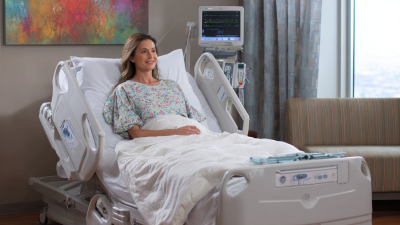
Hospital-style beds provide additional support. They usually feature safety rails, which can prevent falls. This is particularly important for those at risk. Many of these beds have multiple height settings. Lowering the bed can make transfers safer. It's a design that enhances safety for everyone.
However, comfort should not be overlooked. Some patients prefer a softer sleeping surface. Others might need a firmer option for spinal support. Exploring different types of mattresses can lead to better sleep. Trying various positions before settling on a bed is also essential. Finding the right fit takes time and patience, but it's worth the effort.
Best Patient Bed for Home Health and Comfort Options
Key Features to Consider in Patient Beds for Comfort
Choosing the right patient bed is crucial for comfort and health at home. A few key features can greatly enhance the sleep experience.
Adjustable height is essential. This allows for easier transfer in and out of bed. You can access the bed without straining your back.
Another important feature is the mattress selection. Look for a mattress that offers pressure relief. Memory foam or gel options can help reduce discomfort for those who spend long hours in bed. The bed’s width should also be considered. A wider bed provides more space for patients to move comfortably without feeling confined.
Additionally, consider beds with side rails. They can promote safety and independence. However, some patients may feel trapped by these rails. Finding a balance between safety and comfort is key. It can be challenging to meet all needs, but adjustments can be made. Regularly assess the bed and make changes as necessary. Every patient is unique, and customization may lead to a more comfortable experience.
Comparing Adjustable and Traditional Patient Beds
When choosing between adjustable and traditional patient beds, comfort and functionality matter most.
Adjustable beds allow users to elevate their head and legs. This feature aids mobility, making activities like reading or watching TV easier.
Traditional beds have a straightforward design. They offer stability but lack the customizability of adjustable models.
Before deciding, consider your needs. An adjustable bed can enhance circulation and reduce pressure points. However, some may find the mechanisms intimidating.
It’s vital to assess the user’s comfort level with technology. On the other hand, traditional beds are budget-friendly. They provide a solid surface, but may not offer ideal positioning for everyone.
Tips:
Test out the bed options if possible. A hands-on experience yields better insights. Think about how the bed impacts daily routines.
Discuss preferences with caregivers or family members. This way, the final choice ensures comfort and support for day and night.
The Importance of Mobility and Accessibility in Patient Beds
Mobility and accessibility are crucial when choosing a patient bed. These features significantly affect daily life for patients and caregivers. A bed that is easily adjustable, for example, helps patients find a comfortable position easily. Quick access to controls is essential for minimizing strain.
Moreover, consider the height of the bed. It should allow patients to get in and out without difficulty. A bed that is too high or too low can lead to accidents and discomfort. Room to maneuver around the bed also matters. It ensures caregivers can attend to patients efficiently, enhancing care quality.
Adjustable bed frames can accommodate various needs, but not all designs do. Some may lack essential features, making them less user-friendly. It's worth reviewing what works best for specific situations. Reflect on these aspects when selecting a bed. A bed can influence the overall health experience profoundly.
Best Patient Bed for Home Health and Comfort Options
| Feature |
Description |
Importance |
| Adjustable Height |
Allows for easy access and comfort for the patient and caregiver. |
Enhances mobility and reduces strain on caregivers. |
| Side Rails |
Prevents falls and provides support for getting in and out of bed. |
Increases safety and independence for patients. |
| Mattress Type |
Specialized mattresses for pressure relief and comfort. |
Reduces the risk of bedsores and enhances sleeping quality. |
| Wheels |
Mobility feature that allows for easy repositioning of the bed. |
Facilitates cleaning and adjustment of room layout. |
| Weight Capacity |
Supports a range of patient weights safely. |
Ensures stability and reliability for all users. |
| Power Options |
Electric motors for easy adjustment of bed positions. |
Enhances patient comfort without physical effort. |