Best Food Safety Kits for Home and Kitchen Use?
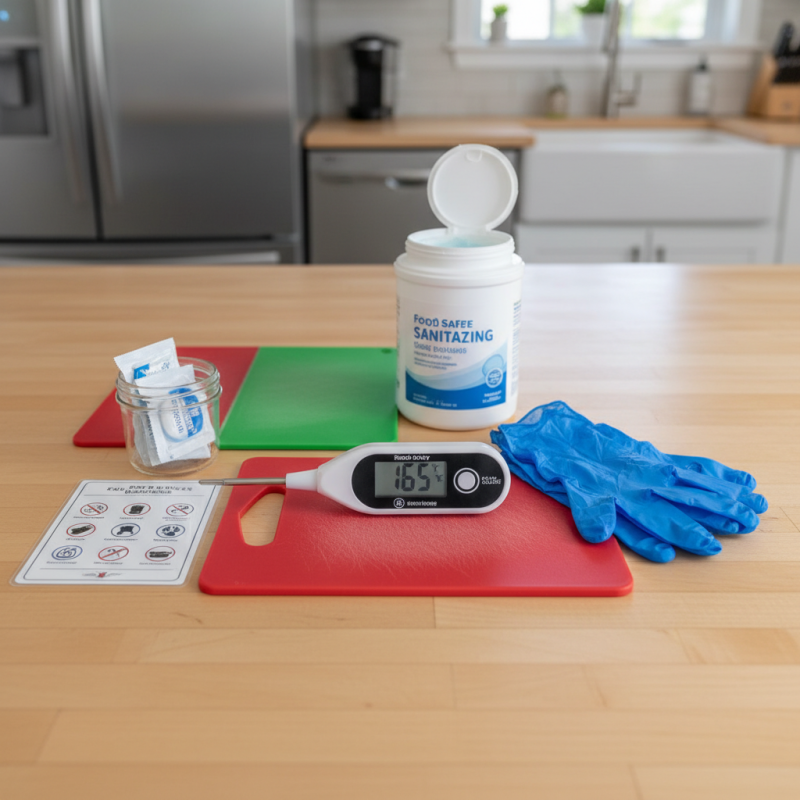
Ensuring food safety at home is crucial for every cook. Food Safety Kits can help in this endeavor. They provide necessary tools and information. These kits often include thermometers, gloves, and sanitizing wipes. Such items can prevent cross-contamination and ensure proper cooking temperatures.
Having a Food Safety Kit means being prepared. However, many people overlook this aspect. They may think it’s unnecessary. But foodborne illnesses are real risks. The CDC reports millions of illnesses each year. Investing in a Food Safety Kit is a smart choice.
Consider your kitchen setup. How often do you check food temperatures? Do you have the right tools? Reflect on your practices. A Food Safety Kit not only helps you cook better but keeps your family safe. It’s a small step but makes a big difference in food safety.
Importance of Food Safety in Home and Kitchen Environments
Food safety is a critical issue in our homes and kitchens. According to recent studies, approximately 48 million Americans get sick from foodborne illnesses each year. Proper food handling and storage can mitigate these risks. Understanding food safety's importance ensures that families remain healthy and avoid unnecessary trips to the doctor.
Disorganization in the kitchen can lead to cross-contamination. Raw meat, seafood, and eggs should never come into contact with other foods. One study highlighted that 60% of home cooks do not sanitize their cutting boards after use. This lack of attention can lead to foodborne pathogens lingering in our kitchens.
Tips:
- Always wash your hands before and after handling food.
- Invest in separate cutting boards for raw and cooked items.
- Use a food thermometer to ensure meats are cooked to safe temperatures.
- Maintaining a clean kitchen environment is key to preventing illness.
Neglecting these simple yet vital practices can result in serious health risks, emphasizing the need for
safety kits at home.
Key Components of an Effective Food Safety Kit
When creating a food safety kit for your home, essential components play a crucial role. Start with a reliable food thermometer. It ensures your meats and dishes reach safe temperatures. This small tool can prevent foodborne illnesses caused by undercooked food.
Next, consider disposable gloves. They are helpful when handling raw meats or preparing food for guests. The gloves minimize cross-contamination risk. However, remember that using gloves does not replace the need for handwashing. It's easy to forget that personal hygiene is just as important.
Lastly, include a variety of cleaning supplies. Disinfectant wipes and sprays are excellent for countertops and utensils. They help eliminate harmful bacteria. However, many overlook using separate cloths for different areas. This can lead to mistakes in maintaining a hygienic kitchen. Consider marking your cleaning cloths for specific uses to avoid any confusion.
Best Food Safety Kits for Home and Kitchen Use
Top Food Safety Kits: Features and Benefits Comparison
When it comes to food safety kits, understanding their features is essential. A good kit often includes thermometers, allergen test strips, and cleaning supplies. According to a report by the Food and Drug Administration, nearly 48 million Americans fall ill from foodborne diseases each year. This alarming statistic highlights the importance of using reliable food safety tools in our kitchens.
Many kits offer temperature monitoring to ensure food is cooked safely. A digital thermometer can provide accurate readings in seconds. Another crucial item is the allergen test strip, which can detect harmful substances in food. The absence of these tools may lead to serious health risks. A survey revealed that 59% of people do not regularly check their food's temperature before consumption. This gap indicates a need for better awareness and prevention methods.
Cleaning supplies in the kit are often overlooked. They should include sanitizers and wipes to reduce contamination risks. A report from the Centers for Disease Control and Prevention states improper cleaning can lead to cross-contamination. Regularly assessing the tools in your food safety kit can prevent these issues. Updating or replacing old items ensures continued effectiveness. It’s a small step toward maintaining a safer kitchen.
Industry Standards: NSF and FDA Guidelines for Food Safety Kits
Food safety is essential in every home and kitchen. Using food safety kits can help ensure you follow best practices. The NSF and FDA set crucial guidelines for these kits. NSF emphasizes cleanliness and proper food handling. They ensure that products are reliable and effective.
Kitchen tools should meet these standards. Thermometers, digital scales, and storage containers are vital. Many people overlook small details. Ensuring your tools are NSF certified isn’t just a recommendation. It’s part of maintaining a safe cooking environment.
FDA guidelines focus on safe food handling. They provide information on food spoilage and contamination. Regular checks of your refrigerator temperature are essential. Often, we forget this step. Ignoring it can lead to foodborne illnesses. Following these industry standards can make a significant difference in your kitchen's safety.
User Reviews and Ratings: Choosing the Best Kit for Your Needs
When selecting the best food safety kit for your home, user reviews are invaluable. Many consumers emphasize the importance of comprehensive kits. They look for products that include thermometers, test strips, and resealable bags. A good kit can help avoid foodborne illnesses.
However, some kits may not meet everyone's expectations. Several users mention that certain items don't work as advertised. Testing accuracy can be a concern. It’s essential to read multiple reviews to gauge reliability. Look for kits with a balance of positive feedback and constructive criticism.
Many users recommend starting with the basics: gloves, sanitizers, and storage solutions. Some kits may include advanced tools, which could be overwhelming. Choosing a simpler option might be a wiser choice for beginners. Remember, everyone's kitchen is unique, making personal needs critical in this selection process.