Chat with us, powered by LiveChat

2026 Best Gold Silver Testing Tools for Global Buyers

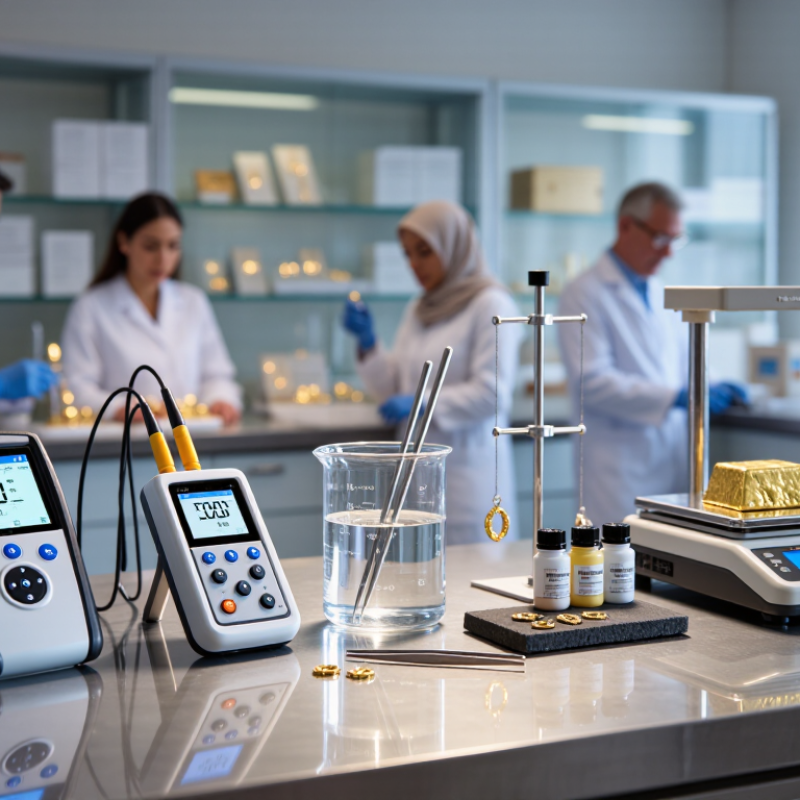
Buying precious metals across borders requires more than a polished product page or a low quoted price. In 2026, reliable Gold Silver Testing tools help global buyers examine purity, identify inconsistencies, and document purchasing decisions. This guide introduces practical options for jewelry stores, refiners, wholesalers, laboratories, and trained individual buyers. It considers X-ray fluorescence analyzers, electronic testers, specific gravity kits, touchstone systems, and calibrated weighing equipment. Each method serves a different purpose. Some offer rapid screening, while others provide stronger confirmation under controlled conditions. The right choice depends on material type, testing volume, budget, and required reporting accuracy.

Details matter. A handheld XRF device may display results within seconds, yet surface plating can influence readings. An electronic tester is convenient, but poor contact can produce unstable measurements. Specific gravity testing can reveal useful clues, although stones, hollow items, and mixed alloys complicate interpretation. Experienced professionals often compare two methods instead of trusting one result. That approach is slower. It is usually safer.

Reliable purchasing also depends on calibration records, manufacturer support, software updates, and clear operating instructions. Buyers should check whether instruments follow recognized technical practices and whether service is available in their region. Independent verification remains valuable, especially for high-value transactions. No tool eliminates human judgment. Even careful operators can overlook contamination, wear, or unusual alloy composition. That limitation deserves attention. This overview evaluates accuracy, portability, operating costs, learning curves, and practical reliability, helping global buyers select equipment with realistic expectations rather than impressive claims.
2026 Best Gold Silver Testing Tools for Global Buyers

Gold and Silver Testing Tools: Purpose, Scope, and Core Principles

Gold and Silver Testing Tools: Purpose, Scope, and Core Principles

Gold and silver testing tools help buyers verify material identity, purity, weight, and consistency. They support informed purchasing, not automatic legal certification. A reliable inspection often combines a precision scale, calipers, a loupe, and non-destructive electronic measurement. Each tool answers a different question.

Physical checks reveal useful details. Weight and dimensions can expose obvious inconsistencies. A magnet may identify strongly magnetic metals, but it cannot prove precious-metal content. Density testing adds stronger evidence when the item is measured accurately and handled without trapped air. Electronic analyzers can examine surface composition quickly, although plating may produce misleading results. Chemical methods require trained users, protective equipment, and controlled procedures.

Context matters across global markets. Buyers should compare readings with recognized assay documents, declared fineness, and local measurement standards. Calibration records deserve attention. An uncalibrated scale can turn a small error into an expensive mistake. I have found that clean contact surfaces and stable lighting improve routine inspections more than expected. Still, no single method is perfect. A result may look convincing and remain incomplete. Testing deeper layers, checking multiple points, and recording every reading create a more defensible assessment. Even experienced inspectors should question unusually convenient results.
Key Testing Methods for Verifying Gold and Silver Authenticity

When buying gold or silver across borders in 2026, authenticity testing should be practical, layered, and documented. A visual inspection is a useful starting point. Check hallmarks, edges, solder lines, color consistency, and unusual surface wear. Use a precise scale and measure dimensions. A magnet can reveal some steel-based imitations, but it cannot prove precious-metal content. Gold and silver are generally nonmagnetic.

Density testing adds stronger evidence. Record the item’s weight, measure displaced water carefully, and compare the result with the expected density. This method becomes less reliable with hollow jewelry, stones, or hidden inserts. Small errors matter. I once noticed that trapped air changed the reading more than expected. Slow handling is essential.

Electronic conductivity meters can support a decision, but they may read only near the surface. Acid testing can identify metal reactions, yet it may leave marks and requires controlled handling. For valuable pieces, non-destructive X-ray fluorescence testing is more appropriate.

Still, X-ray readings can miss plated layers or internal cores. A professional assay laboratory can test multiple points and issue written results. Ask for the testing method, instrument details, calibration date, and sample location. Keep invoices, photographs, weights, and reports together. No single tool guarantees authenticity. Independent verification remains the safer choice.

How to Compare Accuracy, Speed, Cost, and Ease of Use

2026 Best Gold Silver Testing Tools for Global Buyers

How to Compare Accuracy, Speed, Cost, and Ease of Use

Buying a precious-metal tester requires more than reading an accuracy claim. In my experience, repeatability matters most. A tool should produce similar readings from the same sample after cleaning and repositioning. X-ray fluorescence systems can test quickly, often within seconds, while electronic conductivity meters may require careful surface contact. Touchstone methods can be affordable, but they depend heavily on operator judgment and proper reference materials. Small errors become expensive when testing many items.

Check the instrument’s stated tolerance, calibration process, and test range. Ask whether it measures plated surfaces or only estimates the underlying alloy. A certified reference sample can expose drift before a shipment is approved. Keep records of test conditions, including temperature, surface preparation, and operator. Details matter. However, no device is perfect. Curved, dirty, or layered objects may confuse even a well-maintained instrument, and that limitation deserves honest attention.

Speed should be compared with workflow, not a stopwatch. A slower test may save time if it needs fewer retests. Include purchase price, calibration, training, batteries, repairs, and software costs. Ease of use also has a practical meaning: clear results, simple maintenance, and safe handling without advanced laboratory skills. Ask a supplier for a live demonstration and several sample tests. I would test familiar materials first, then review any result that seems unusually high or low. That extra doubt is useful.

2026 Best Gold Silver Testing Tools for Global Buyers - How to Compare Accuracy, Speed, Cost, and Ease of Use

Testing Tool or Method Typical Accuracy* Typical Test Speed Approximate Cost (USD) Ease of Use Best Application Main Limitations
Touchstone and Acid Test Kit Usually identifies common gold karat ranges; generally not suitable for precise fineness measurement 1–5 minutes per item $20–$150 Easy Initial screening of jewelry, coins, and scrap Leaves a small mark; results depend heavily on operator skill and surface condition; plating can produce misleading results
Electronic Gold and Silver Tester Often provides an approximate karat or purity indication when the surface is clean and the instrument is calibrated 5–30 seconds per reading $100–$1,500 Easy Fast, non-destructive checks at retail counters and buying desks Sensitive to calibration, temperature, contamination, geometry, and plated or hollow items; usually tests a limited area
Specific Gravity or Density Balance Useful for detecting density differences; practical accuracy is commonly about 0.1–0.5% when the item is solid and weighed correctly 2–10 minutes per item $30–$500 Moderate Cross-checking solid gold objects, bars, and coins Not reliable for hollow, stone-set, porous, mixed-metal, or irregular items; cannot directly identify all alloys
Ultrasonic Thickness and Internal-Structure Tester Good for detecting voids, laminations, and thickness inconsistencies; does not directly provide complete chemical composition 30 seconds–5 minutes per item $1,000–$10,000 Moderate Screening bars, large objects, and suspected filled or layered products Requires training and suitable contact conditions; results may be affected by shape, surface finish, and internal design
Portable X-Ray Fluorescence Analyzer Commonly offers approximately 0.1–1.0% relative precision for major elements under suitable conditions; surface-sensitive 10–60 seconds per reading $8,000–$35,000 Moderate High-volume, non-destructive alloy screening for gold, silver, and other metals Measures near-surface composition; plating, coatings, uneven surfaces, and sample geometry can distort results; requires radiation-safety controls
Bench-Top X-Ray Fluorescence Analyzer Typically more repeatable than portable units, with performance depending on calibration, sample preparation, and alloy type 30 seconds–3 minutes per reading $15,000–$60,000 Moderate Laboratories, refineries, and professional buying centers with regular sample sizes High purchase cost; still primarily surface or near-surface analysis; trained operation and periodic calibration are required
Fire Assay Reference-grade method for gold determination; laboratory precision can reach around 0.1% or better with proper procedures Several hours to multiple days $50–$250 per sample, depending on preparation and reporting Difficult Final settlement, refinery-grade verification, and dispute resolution Destructive; requires specialized equipment, hazardous chemicals, trained analysts, and controlled laboratory procedures
Laboratory Wet-Chemical Assay Can provide high accuracy when validated methods, representative sampling, and quality controls are used Several hours to several days $50–$300 per sample Difficult Confirmatory analysis of prepared samples and official documentation Usually destructive; sampling errors can outweigh instrument accuracy; requires laboratory facilities and chemical handling
*Accuracy note: Performance varies with calibration, sample geometry, alloy composition, surface condition, operator training, and sampling quality. No single method is reliable for every item. For high-value transactions, combine a rapid screening method with an independent laboratory assay.

Best Testing Tools for Jewelers, Refiners, Traders, and Global Buyers

Gold and silver testing tools must serve jewelers, refiners, traders, and global buyers differently. Jewelers often need fast, non-destructive screening beside a busy bench. Handheld X-ray fluorescence can identify alloy composition within seconds, while density testing can expose some plated items. Test twice. Surface readings can mislead.

Refiners require stronger verification. Fire assay remains a reference method for gold, but it needs trained operators and controlled sampling. Electronic conductivity and ultrasonic testing can support silver checks, although neither replaces representative sampling. The World Gold Council reported 4,974.5 tonnes of total gold demand in 2024, including over-the-counter investment, showing why reliable verification matters across international supply chains. The Silver Institute’s World Silver Survey 2025 recorded industrial silver demand of about 680.5 million ounces in 2024. That scale increases pressure on traders to document purity, calibration, and test conditions. A certificate alone is not proof.

Global buyers should compare test results from independent methods, especially when value, origin, or batch size changes. Keep photographs, sample weights, instrument settings, and operator details. Calibration can drift. Human judgment can fail. In practice, rushed sampling remains a weak point, even with expensive equipment. A practical 2026 testing station may combine XRF screening, density measurement, secure sampling, and periodic laboratory confirmation. That approach is less convenient, but more defensible for cross-border transactions.

Safe Operation, Calibration, and Compliance in International Purchasing

When global buyers evaluate gold and silver testing tools, safe operation should guide every purchasing decision. A clear display is useful, but safe handling matters more in a busy warehouse. Operators should wear suitable eye protection, keep samples stable, and follow the instrument’s operating limits. Never test wet, damaged, or unknown materials without checking the manual.

Calibration needs evidence, not assumptions. Before a purchasing inspection, compare the tool with certified reference materials that match the expected metal range. Record the date, reference value, operator, temperature, and result. A small drift can change a commercial decision. In practice, I have seen teams trust one quick reading too much. That was careless. Repeating the test at different points on a sample can reveal plating, uneven composition, or surface contamination.

International compliance also requires careful documentation. Buyers should request user instructions, safety data, calibration records, electrical specifications, and conformity documents relevant to the destination market. Requirements may differ between countries, so local import, workplace safety, and testing rules should be verified before shipment. Keep serial numbers and inspection photos with the purchase file. This protects traceability when suppliers, inspectors, or customs authorities ask questions. Results should support professional judgment, not replace it. Overconfidence remains a testing risk.

TOP